
Nothing Comes For Free
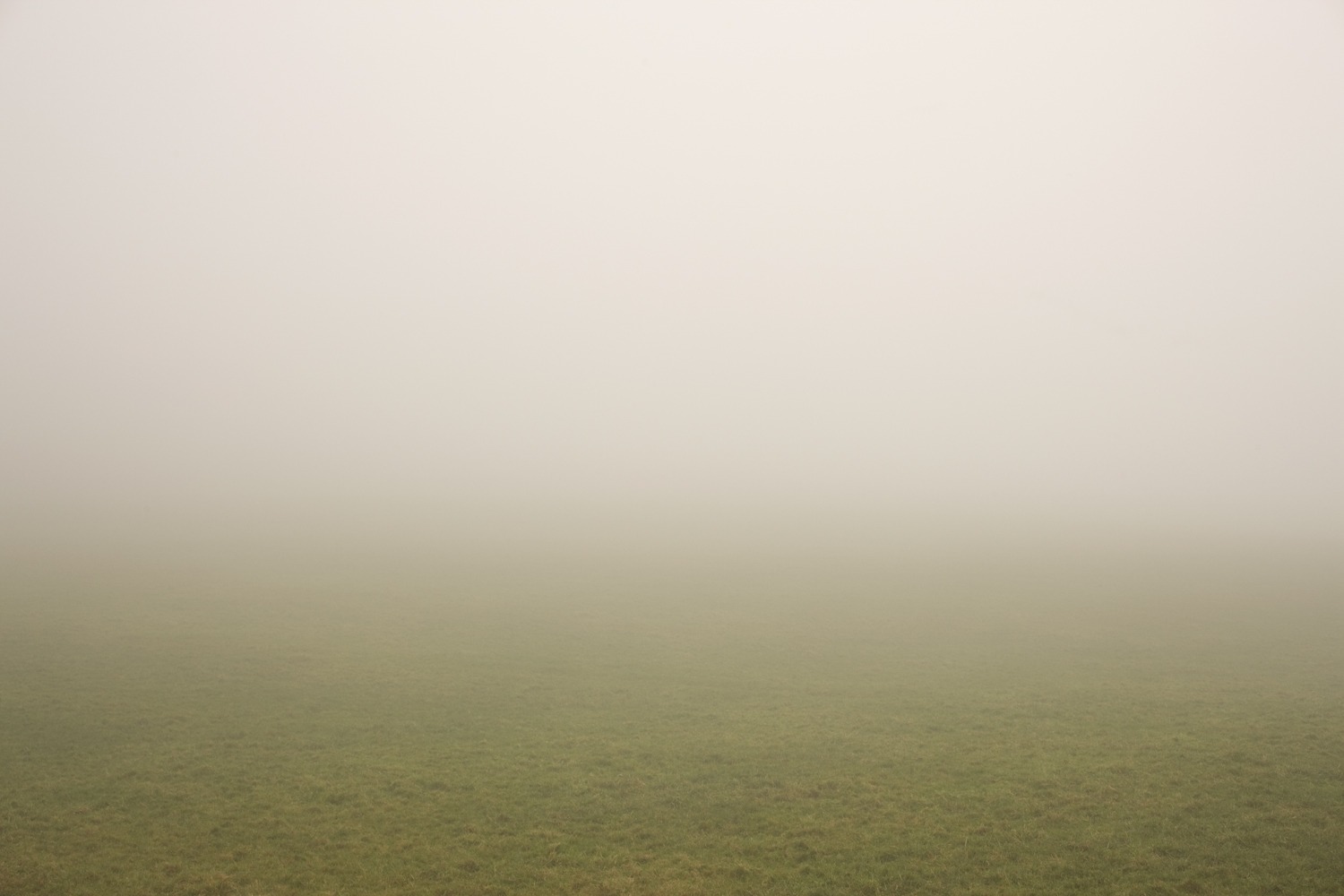
CAUSE – “Monsanto Wins” – the causes of climate change are simple.
We consume, and are relentlessly encouraged and enticed to consume, too much.
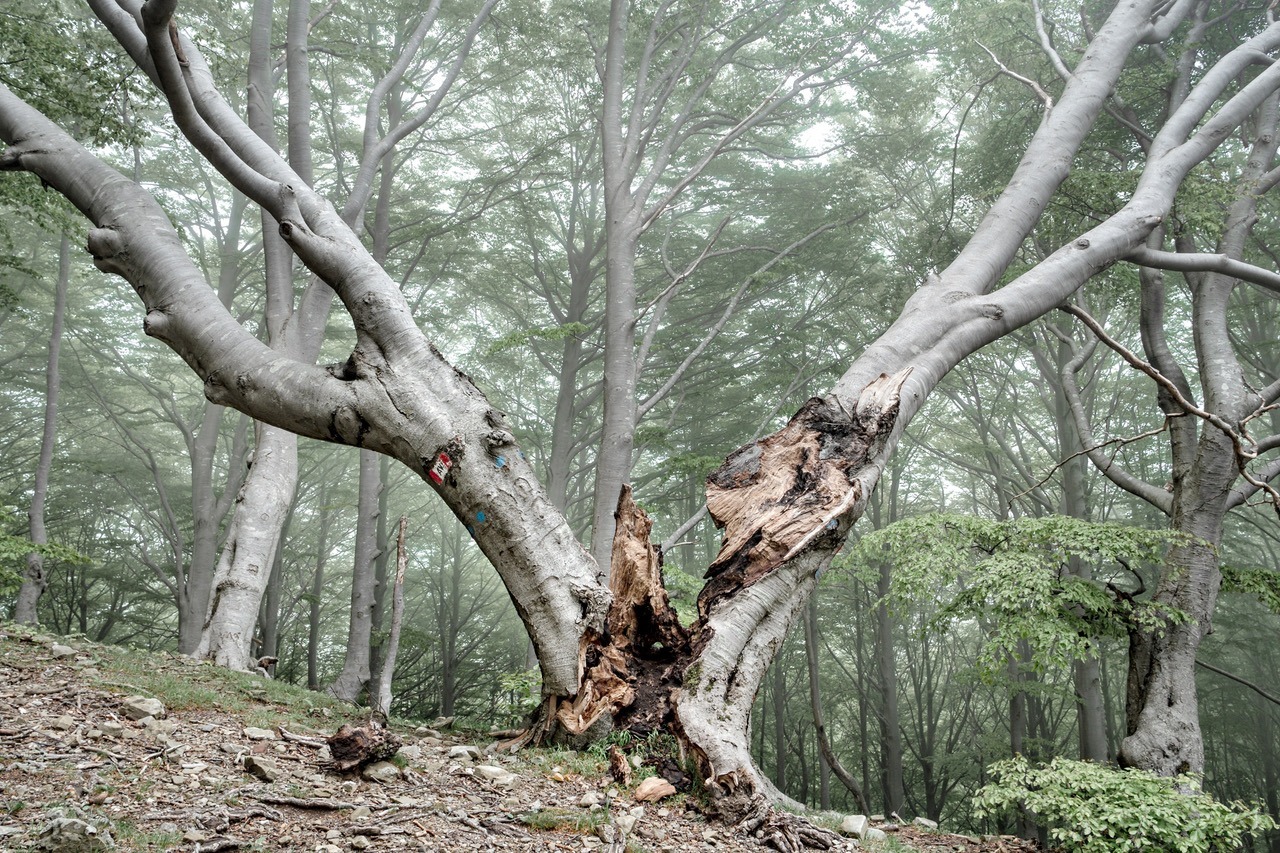
CONSEQUENCE – “The Magnificent Beech” – this mother tree was torn apart in an “unprecedented”, 100 year storm. There have been 3 such storms within 50 miles of this spot in the last 5 years.
In 2019, Morag and I were resident artists on a project exploring hydroelectricity, energy generation, and climate change. It brought together research, local knowledge, and conversations with a wide range of communities and interest groups, culminating in an exhibition shaped as much by listening as by making. At the time, it was among the most challenging and rewarding projects I had undertaken, and marked my first sustained attempt to understand place not just as landscape, but as system, compromise, and consequence.
Nothing Comes For Free emerged as I tried to make sense of what felt like three inseparable forces shaping our climate future: cause, consequence, and solution. The causes are well known. The consequences increasingly unavoidable. And, in many respects, the solutions already exist. What remains uncertain is our willingness to act quickly enough, particularly when change threatens established interests, habits, and a culture of short-term, convenience thinking.
In a technologically driven society with an insatiable demand for energy, the idea that power can be clean, neutral, or without impact is comforting – but misleading. Every form of generation carries a cost, borne somewhere, by someone, or by something other than human. If so, perhaps the question we should be asking is not whether there is a price to pay, but which costs we are prepared to accept—and on whose behalf.
More unsettling still is the possibility that the most difficult answer does not lie in producing more energy at all, but in learning how to need less.
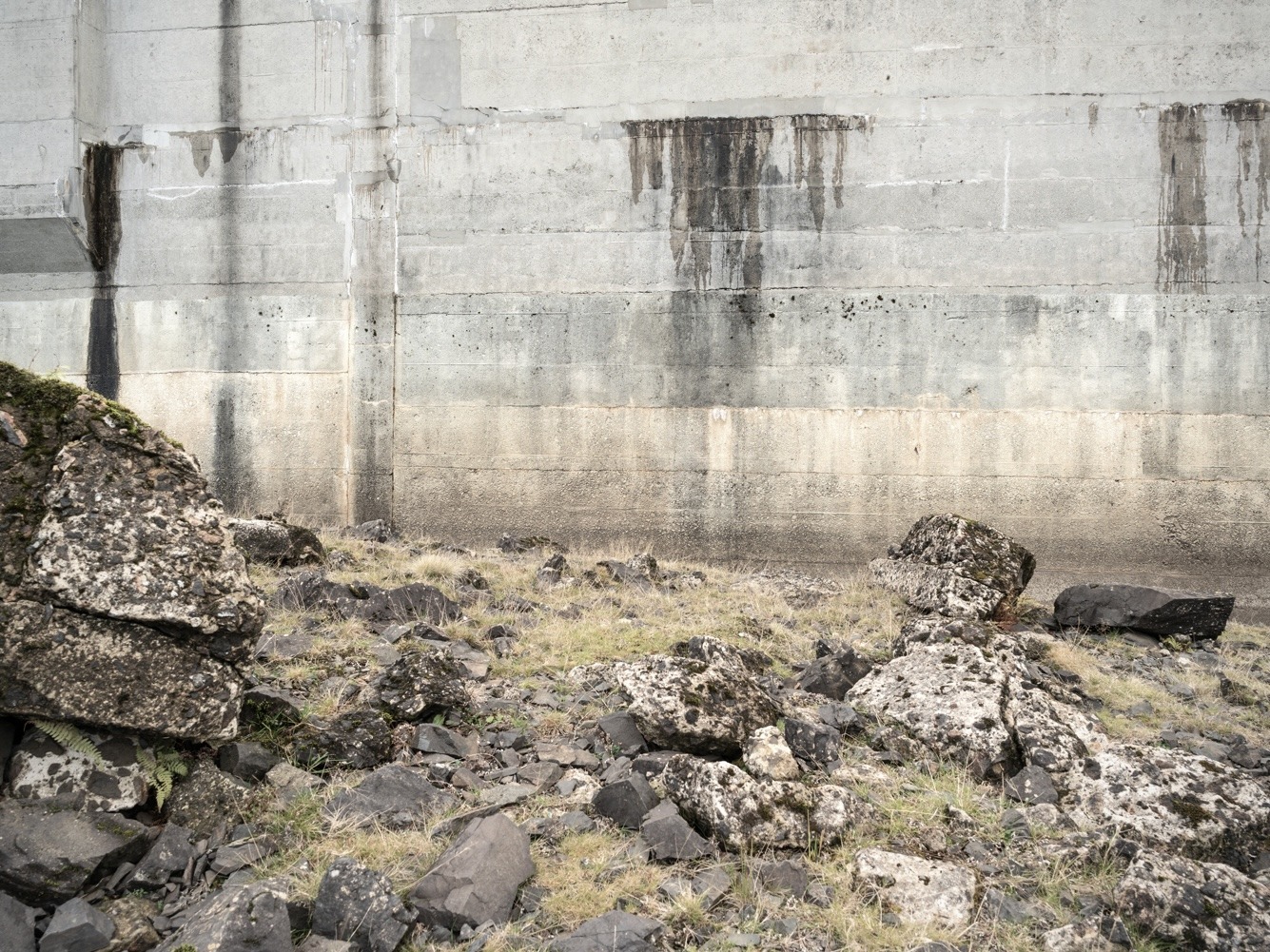
SOLUTION – “Nothing Comes For Free” – demand for electricity is apparently insatiable, and somewhere, for someone and some habitat, there will always be an impact.