
If Place Mirrors Who We Are…
…What Does It Reflect?
(The following images formed my shortlisted series in the Royal Geographical Society’s Earth Photo 2025 competition. The final series of images will be made available as soon as they are completed).
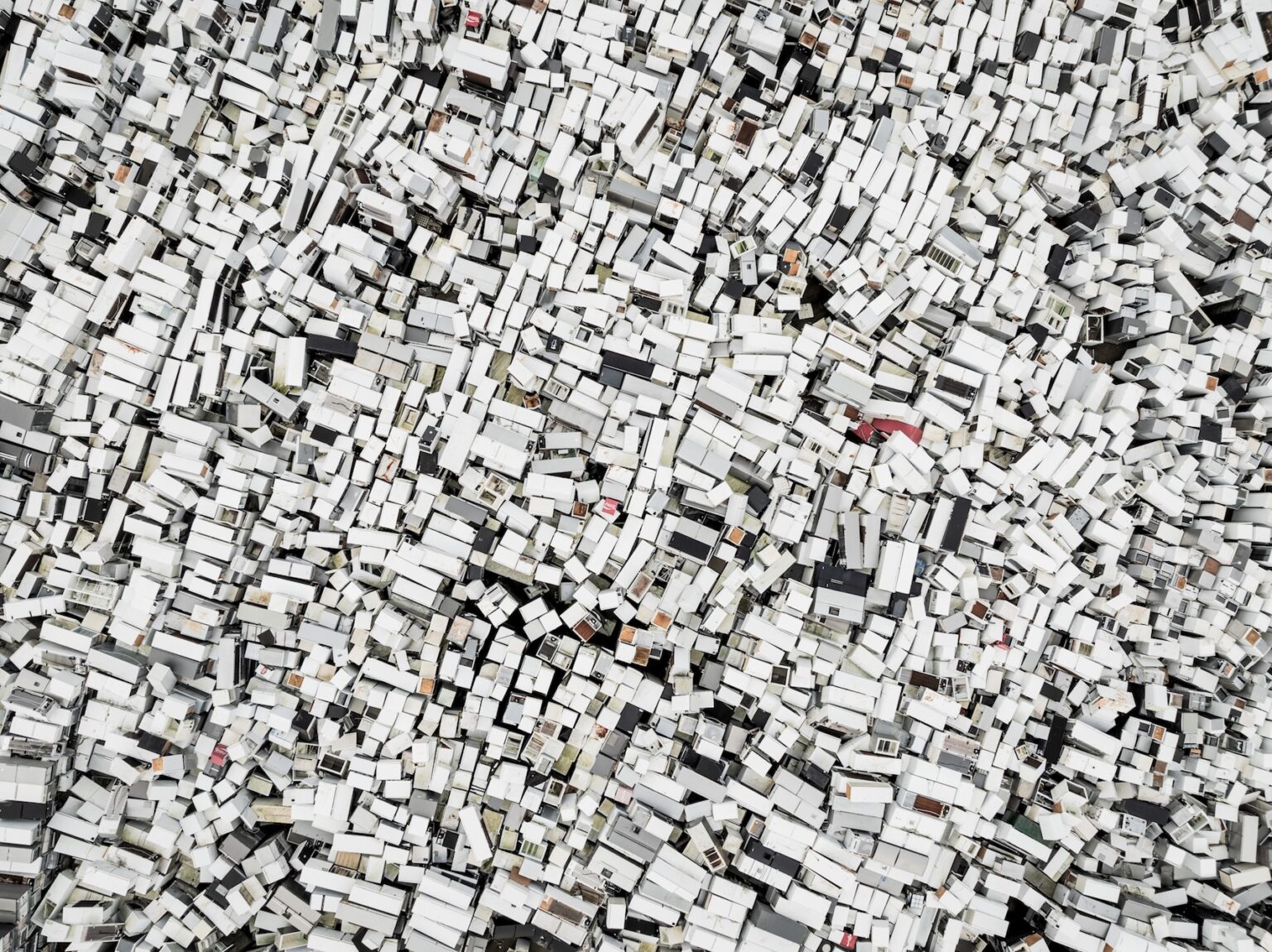
Across millennia, land has been increasingly claimed and shaped for human use. Enclosure, clearance, and ownership has brought power, control, commodification, and wealth. Planning introduced zoning and specialisation, fostering siloes, defence, and ecological simplification. Incremental ‘improvement’ adjusts the baseline with generational change the result, normalising further loss for communities and non-human users of place. NatureScot, the government’s own adviser, observes:
“Scotland is famous for its spectacular wildlife and wild places…
…but historic nature loss means it is one of the most nature-depleted countries in the world.”
On Dependency
The acceleration continues. The consequences are grave.
The images presented here represent my diptych portfolio submission to the Royal Geographic Society’s Earth Photo 2025 competition for which I am honoured to have been shortlisted. They form an early outcome to my long term “If Place Mirrors Who We Are, What Does It Reflect?” project supported by Creative Scotland, exploring the 13 Scottish urban and rural land uses as identified on the National Land Use Database. Each observation questions how the management of land shapes the ecological & cultural health of place and the experiences of all who depend on it, human and non-human alike. Through photography, field research, and participatory methods, the project seeks to make visible the often-unseen consequences (both good and bad) of land management decisions and to encourage constructive, solutions-based conversations about more resilient and equitable futures.
These observations, collected during a series of low impact immersive cycles around Scotland over the last 3 years, continue to build a personal foundation of visual and contextual understanding.
I hope you enjoy these early examples. Further outcomes, and more on the project, will be uploaded to the site as they become available. At present, the ‘Equal Rights for All…’, ‘Soil Your Undies’, and ‘Treasured Places’ pages on this site present further outcomes for the wider project.
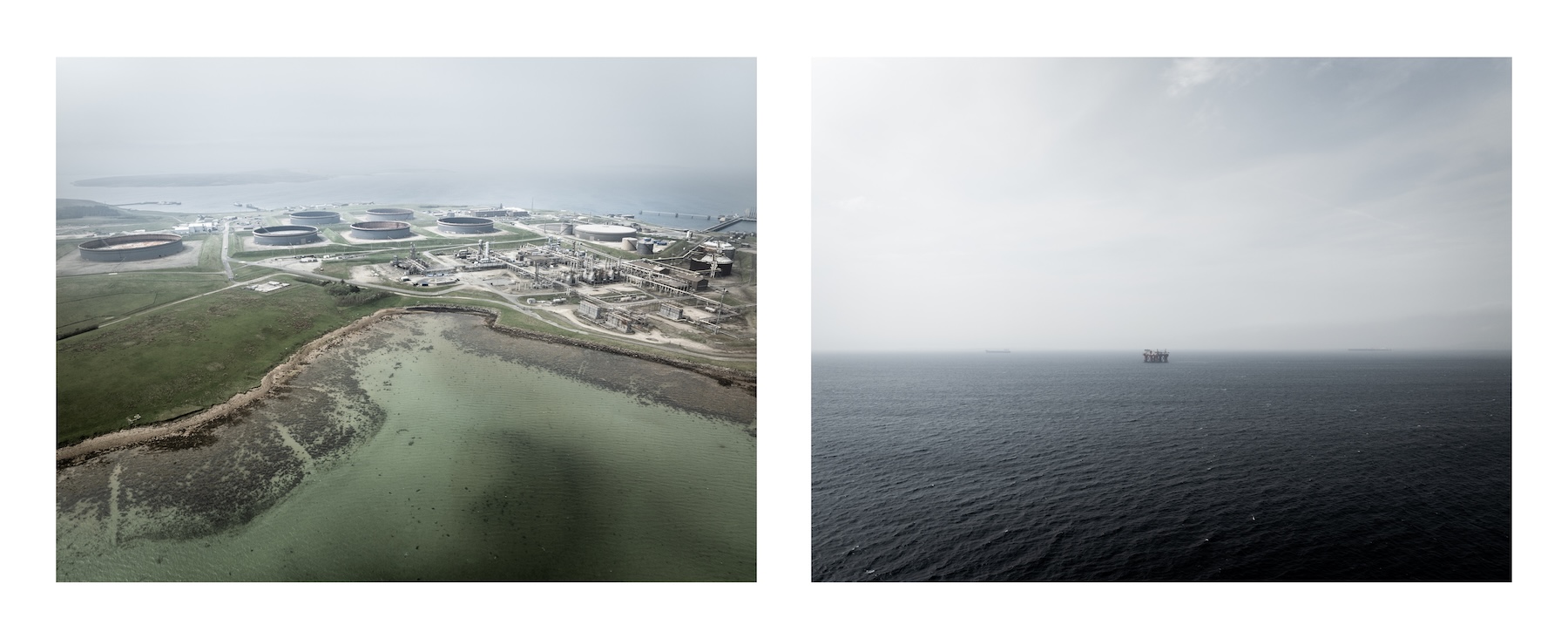
For the past century, fossil fuels have powered the engine of modern civilisation, driving an exponential twentyfold increase in energy demand as urbanisation, economic expansion, and energy-intensive industries have surged. Across the landscape and beneath the sea, a vast web of infrastructure reflects this reliance—from towering industrial sites to unseen undersea pipelines. These conduits stretch out into the distant offshore fields, channeling oil and gas from isolated rigs back to the mainland.
Flotta, a remote terminal on Orkney, serves as a vital node in this network, bearing testimony to our dependency on fossil energy. As the world now pivots towards sustainability, these sites stand as monuments to an era of ambition, ingenuity, and consumption, inviting reflection on how we might reshape our future energy systems.
They remind us not only of the progress achieved but also of the transformations still urgently required.
On Wind
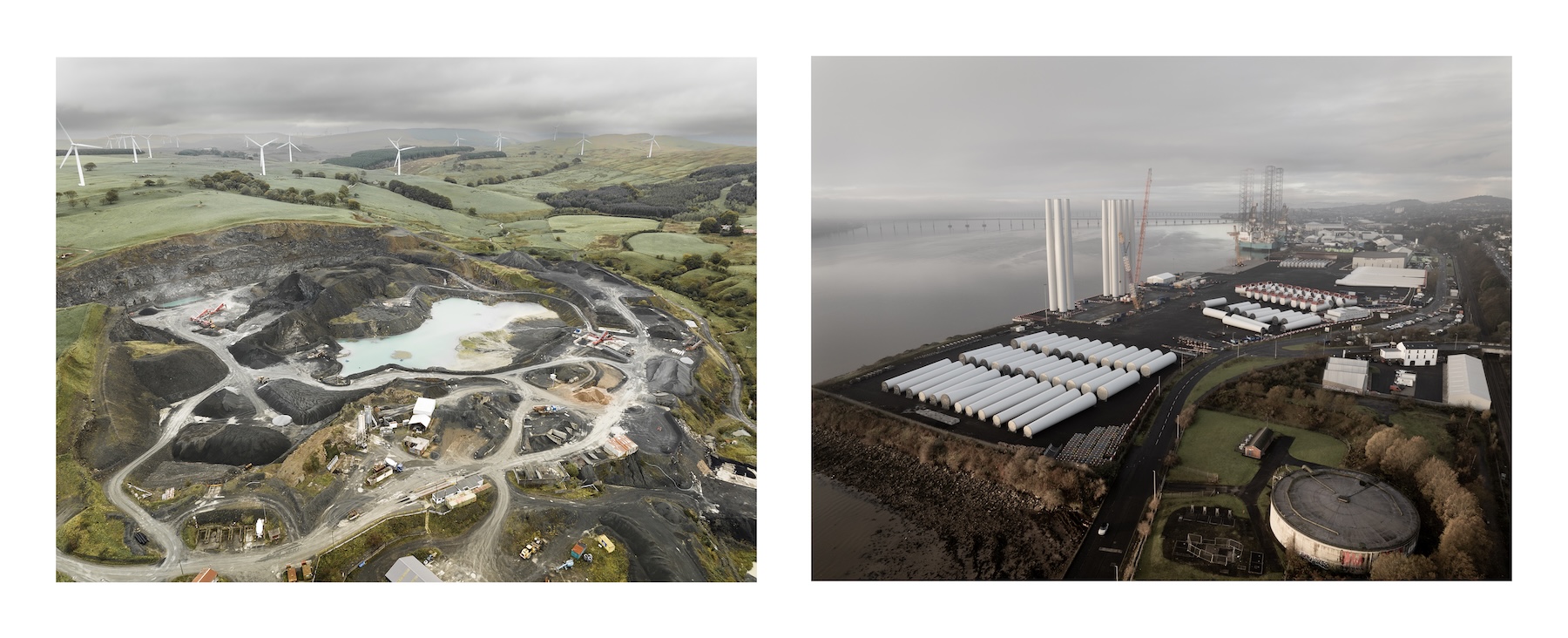
Scotland’s renewable energy journey began in 1995 with its first wind farm at Hagshaw Hill in Lanarkshire. Today, renewables generate over 100% of Scotland’s electricity demand, reflecting the country’s commitment to sustainability. This progress has led to the closure of all coal-fired power stations and the winding down of nuclear power, with only one nuclear plant still operational.
Yet the road to a truly sustainable future remains long. The electrification of transport, heating, and other systems requires further innovation and investment. Efficient energy use is crucial to this transition, and we must also acknowledge the cost. All forms of energy have their own environmental and societal impacts, for nothing comes for free. This interconnected energy narrative invites reflection on both our achievements and the work ahead in forging a harmonious future.
On Waste
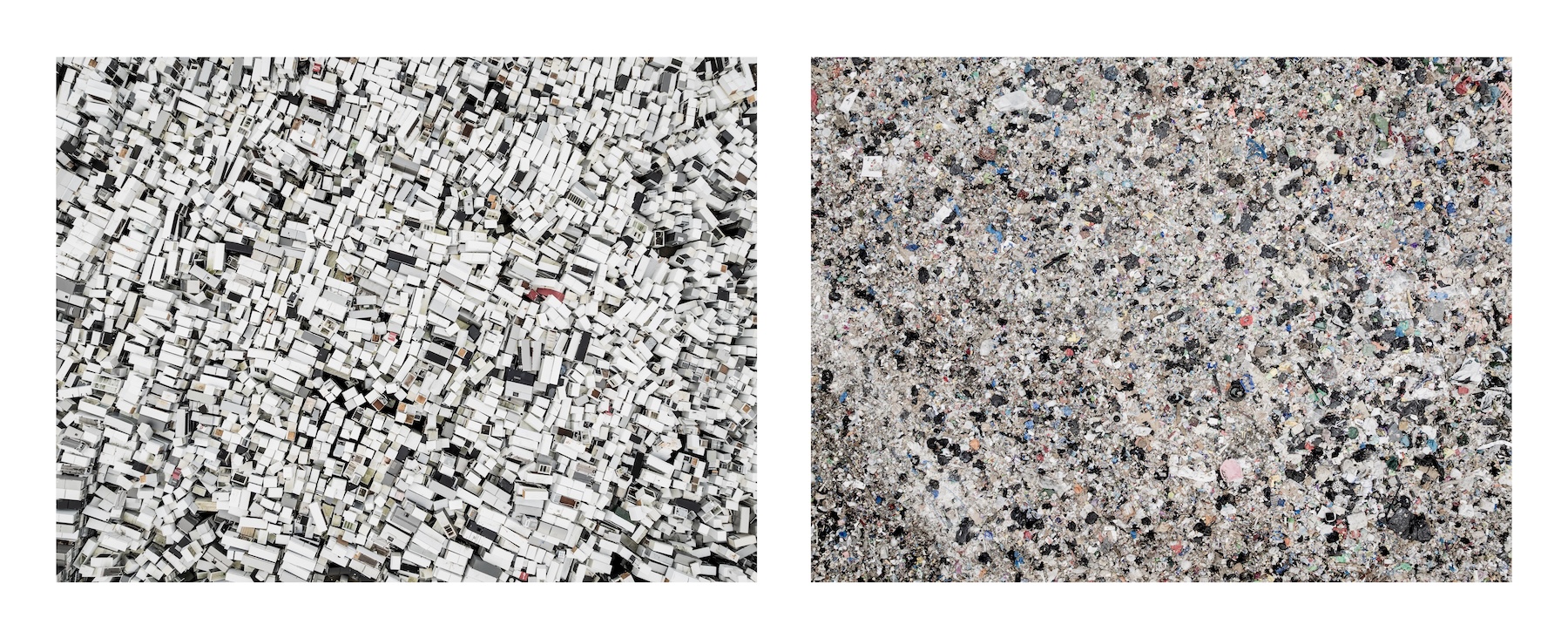
Scotland manages ~6.9 million tonnes of household and commercial waste annually, with a 42.7% recycling rate (2022), well below its 70% target by 2025. Despite efforts by many, only 9% of plastic produced is recycled. As rapid growth continues, there is a desperate need to reduce consumption, and where there is need, for greater life cycle and post-life analysis before new products are allowed to be released, including considerations of product longevity versus replacement impact.
However, there are glimmers of optimism as the amount of rubbish we produce appears to be plateauing. This suggests a potential shift towards desperately needed sustainable practices, which will be be needed in every decision made at both a domestic and commercial scale moving forward.
On Forestry
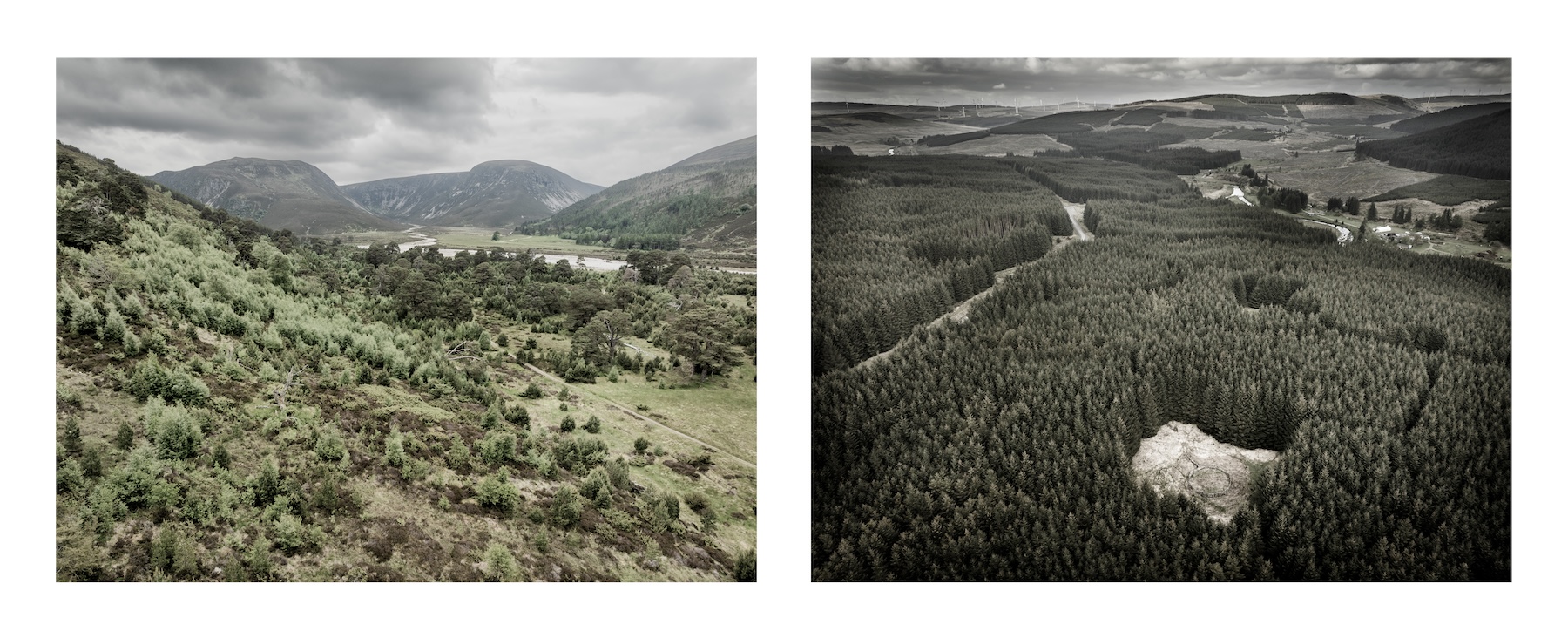
Scotland has one of the lowest levels of tree cover in Europe, and according to the Woodland Trust, just 7% of our woodlands are in a good ecological condition.
Half of all new forestry schemes in Scotland are for single species commercial conifer plantations, of which 729 applications have been approved since 2015, with none refused consent [source: Scottish Forestry]. But there are also an increasing number of landscape scale rewilding projects being initiated, showing alternative approaches to land management. 6 such project are reported to have increased employment by greater than 400% over previous management approaches.
On Food
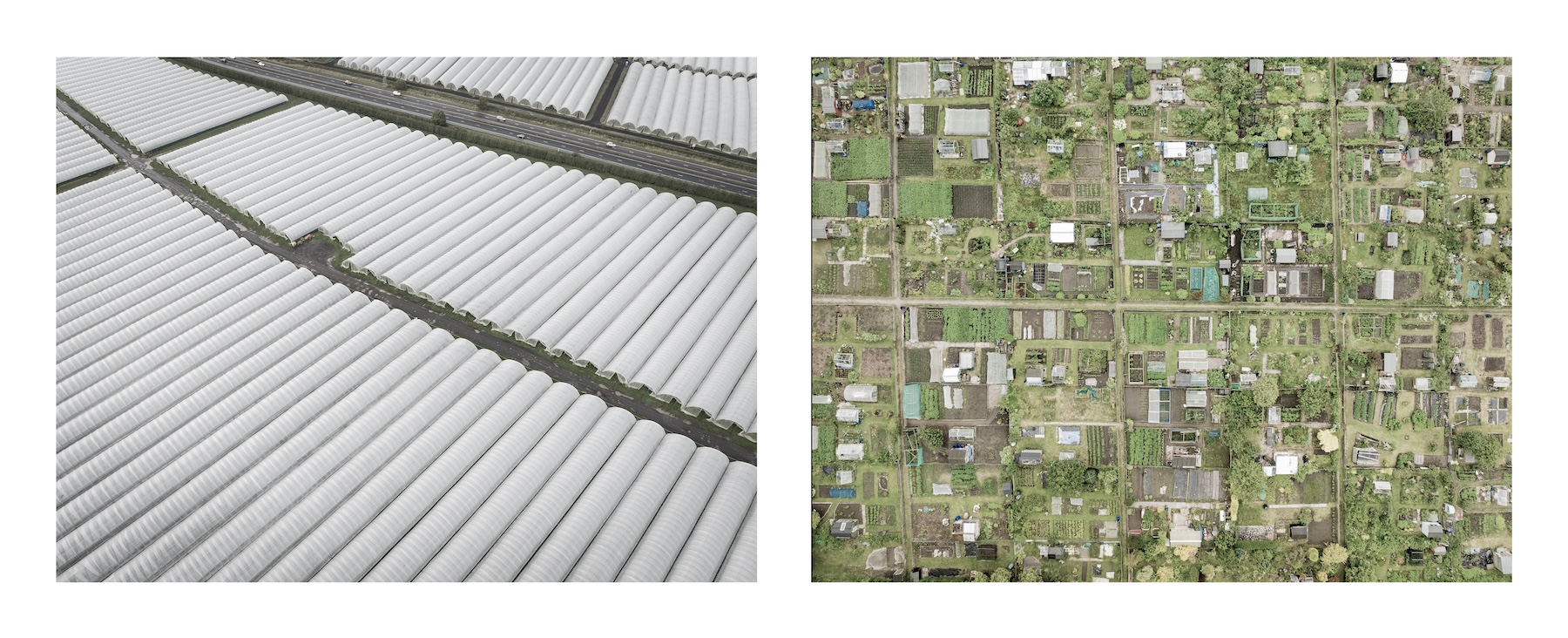
In World War 2, some 40% of food was grown in urban areas. That figure is now just 1-3%, and with it many have lost their association with the land. 20th-century agricultural “improvements” are focussed and specialised, and have included the draining of wetlands, removal of hedges, and the flattening of terrain for industrial machinery – prioritising monocultural efficiency through agrochemicals and scale.
Production per hectare has rocketed through intensive farming methods and along with it growth and wealth within the system. Not solely as a result of agriculture (but certainly a contributor) Nature Scot, the Government’s own adviser, describes Scotland as “…one of the most nature depleted countries in the world”.