
Rhine
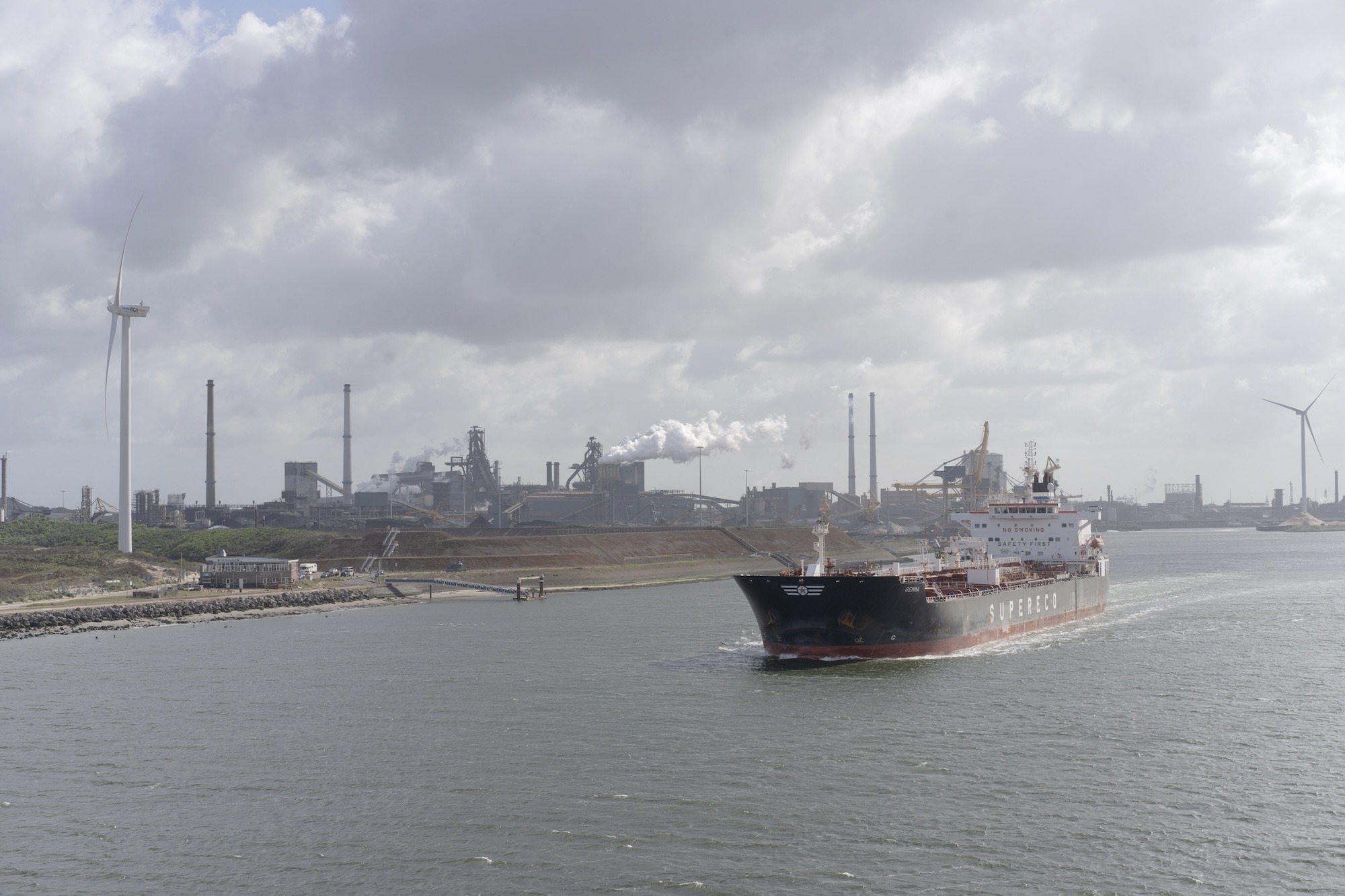
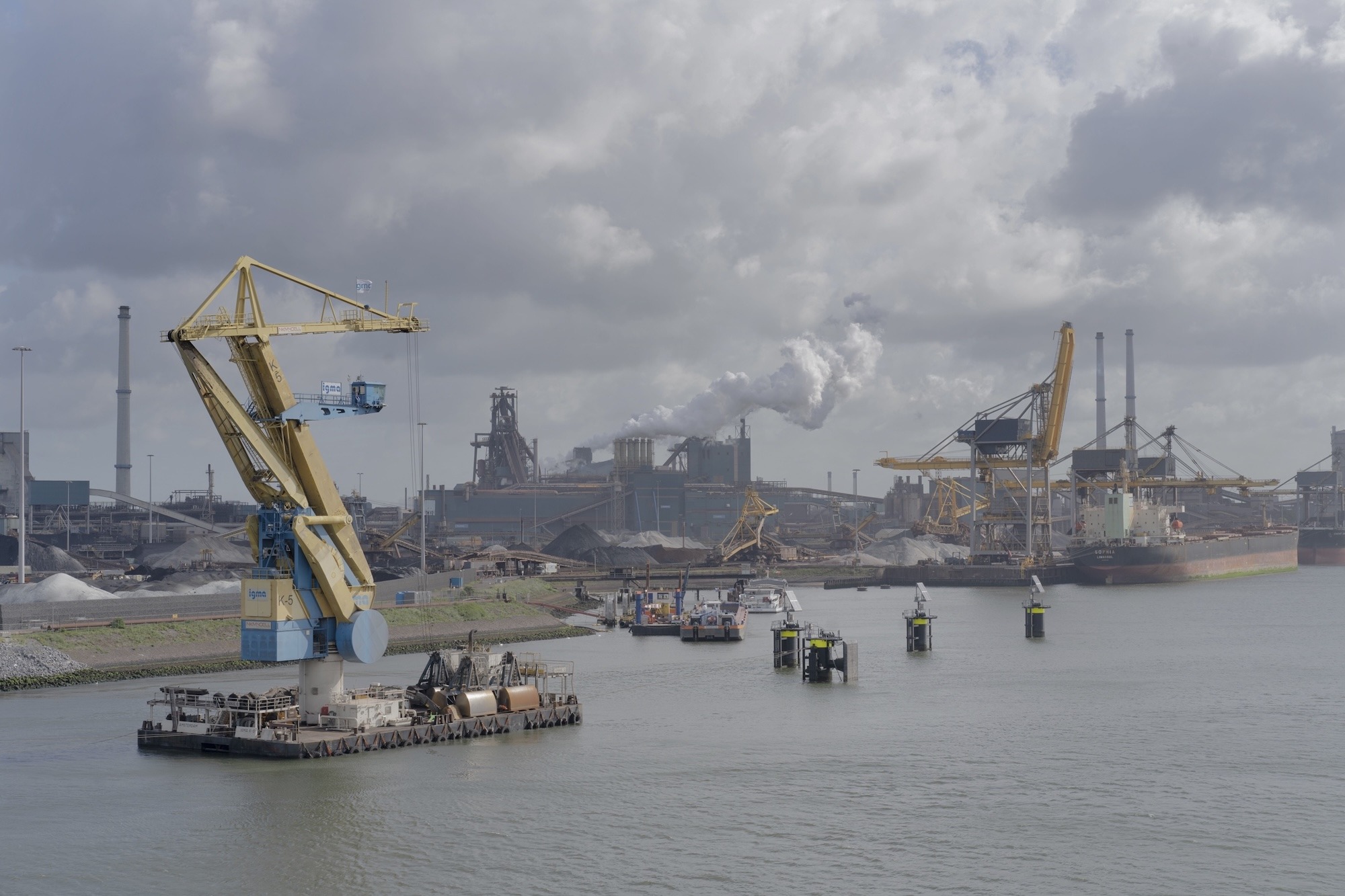
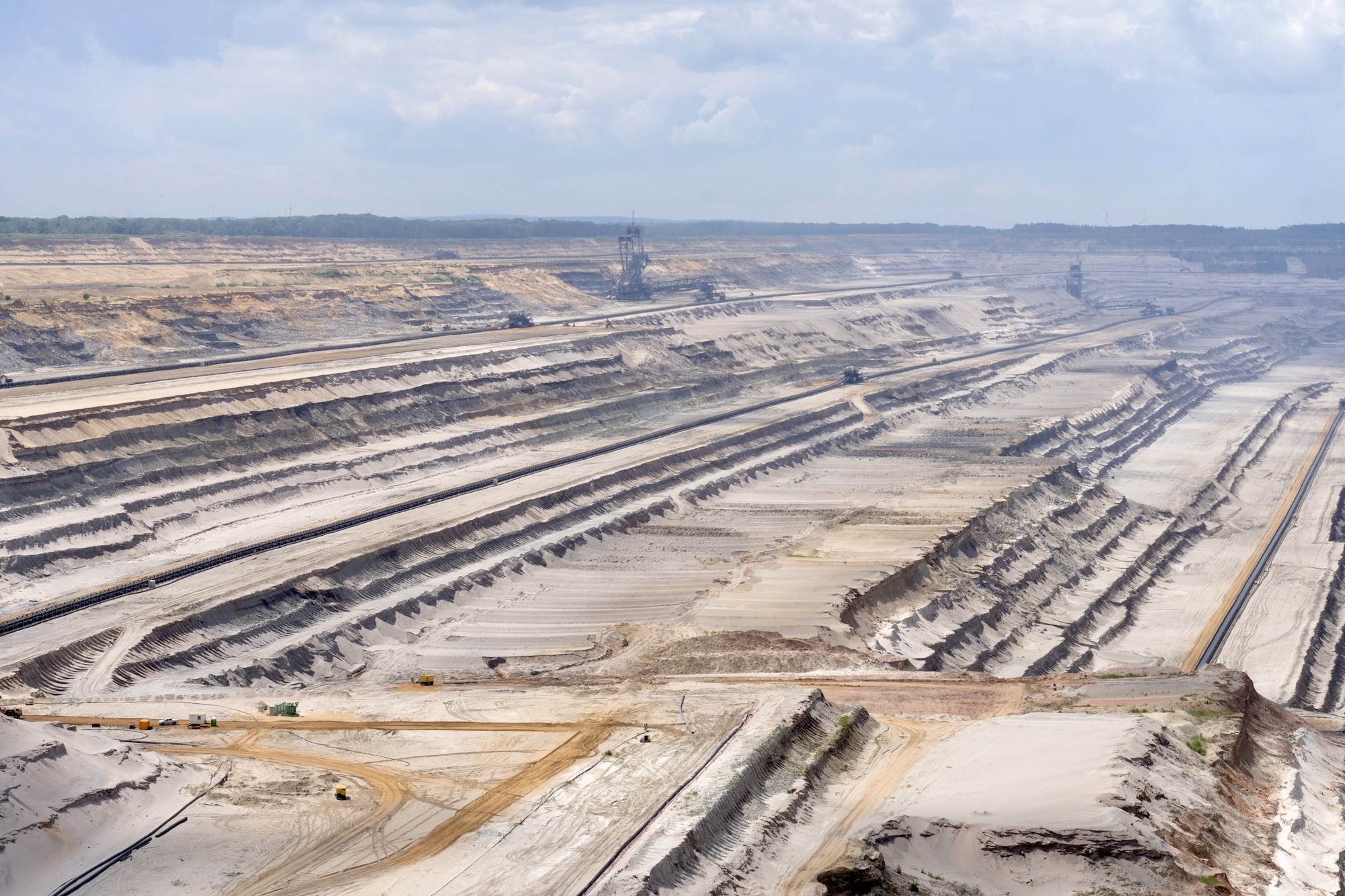
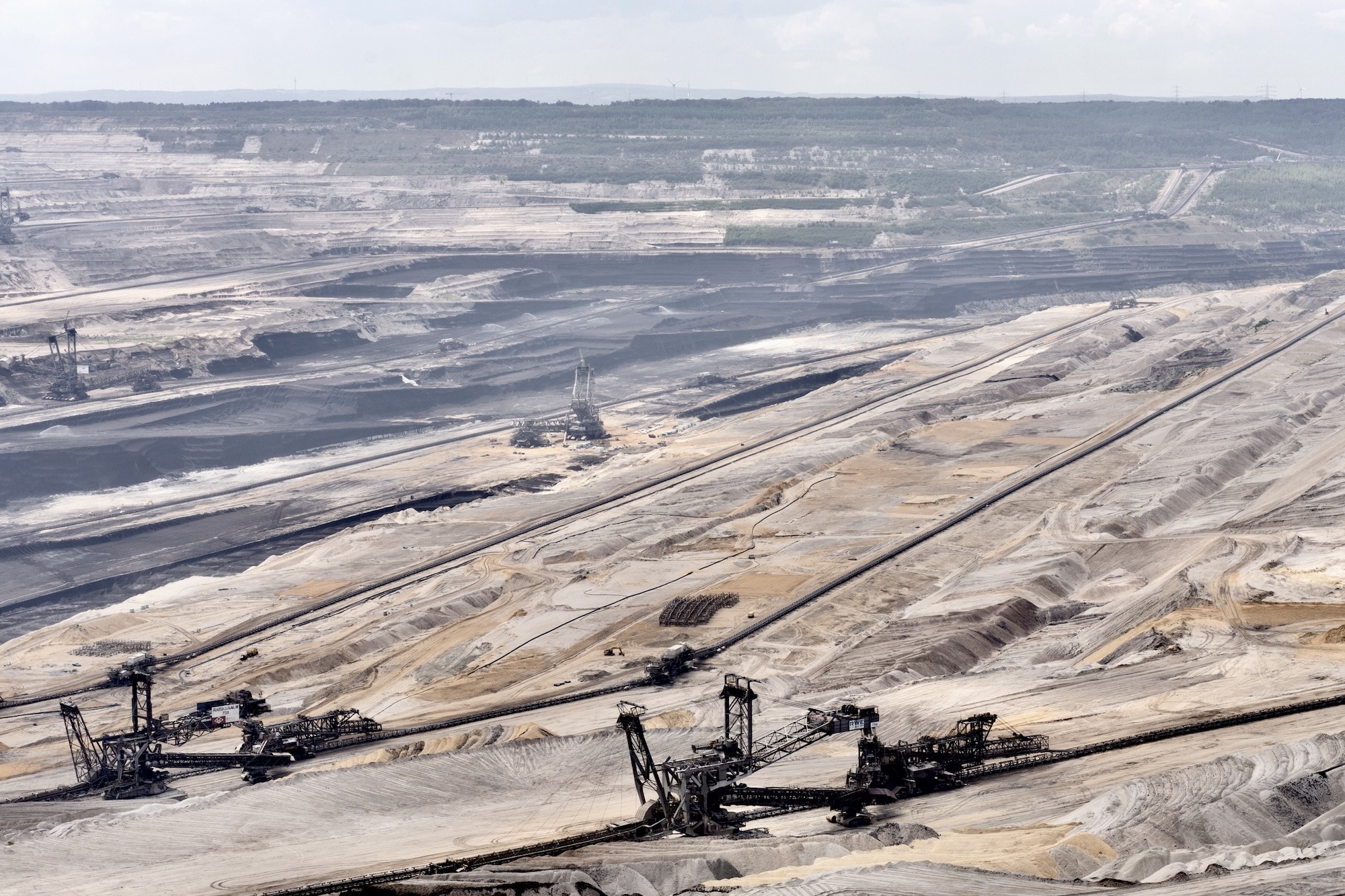
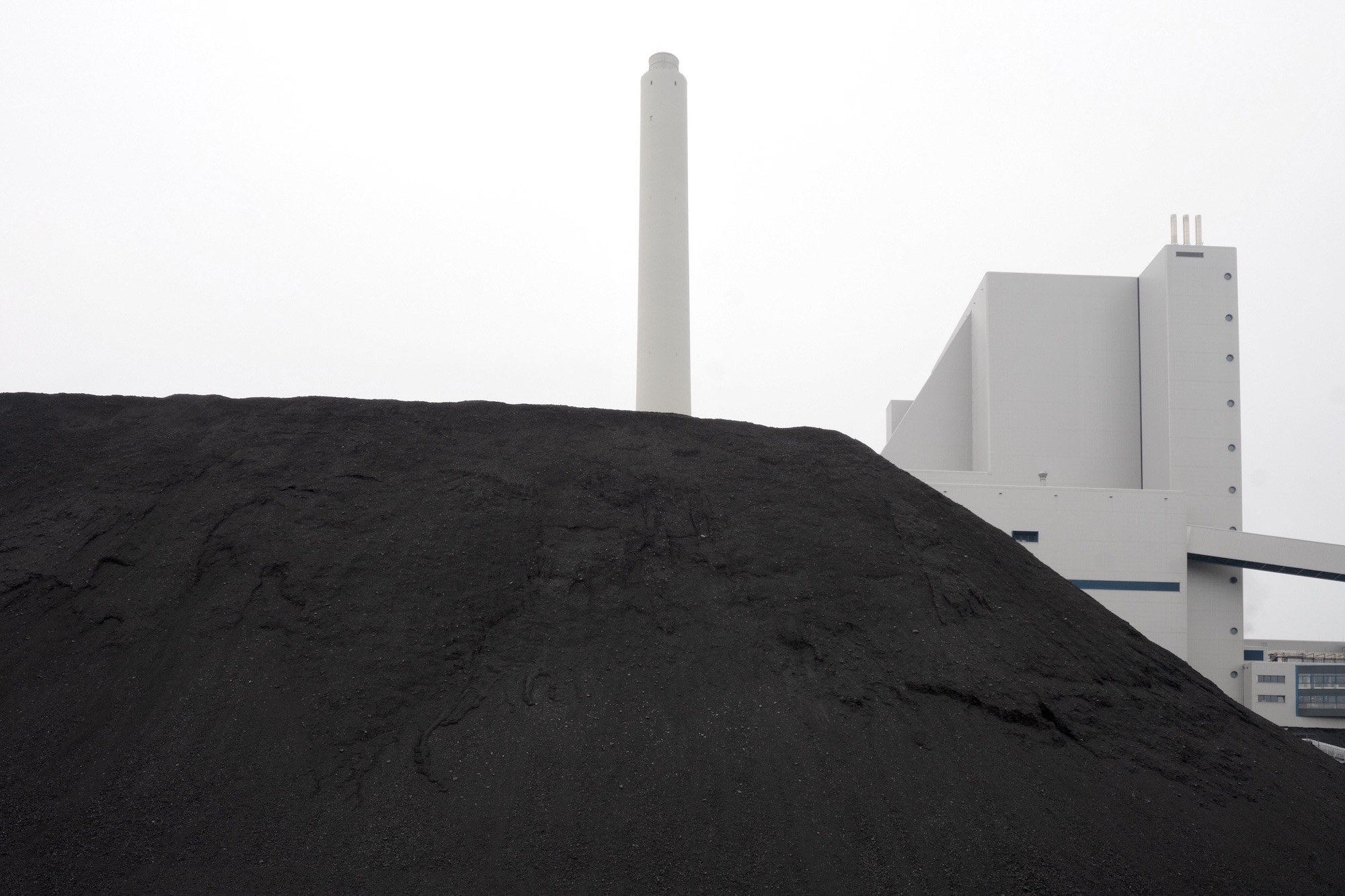
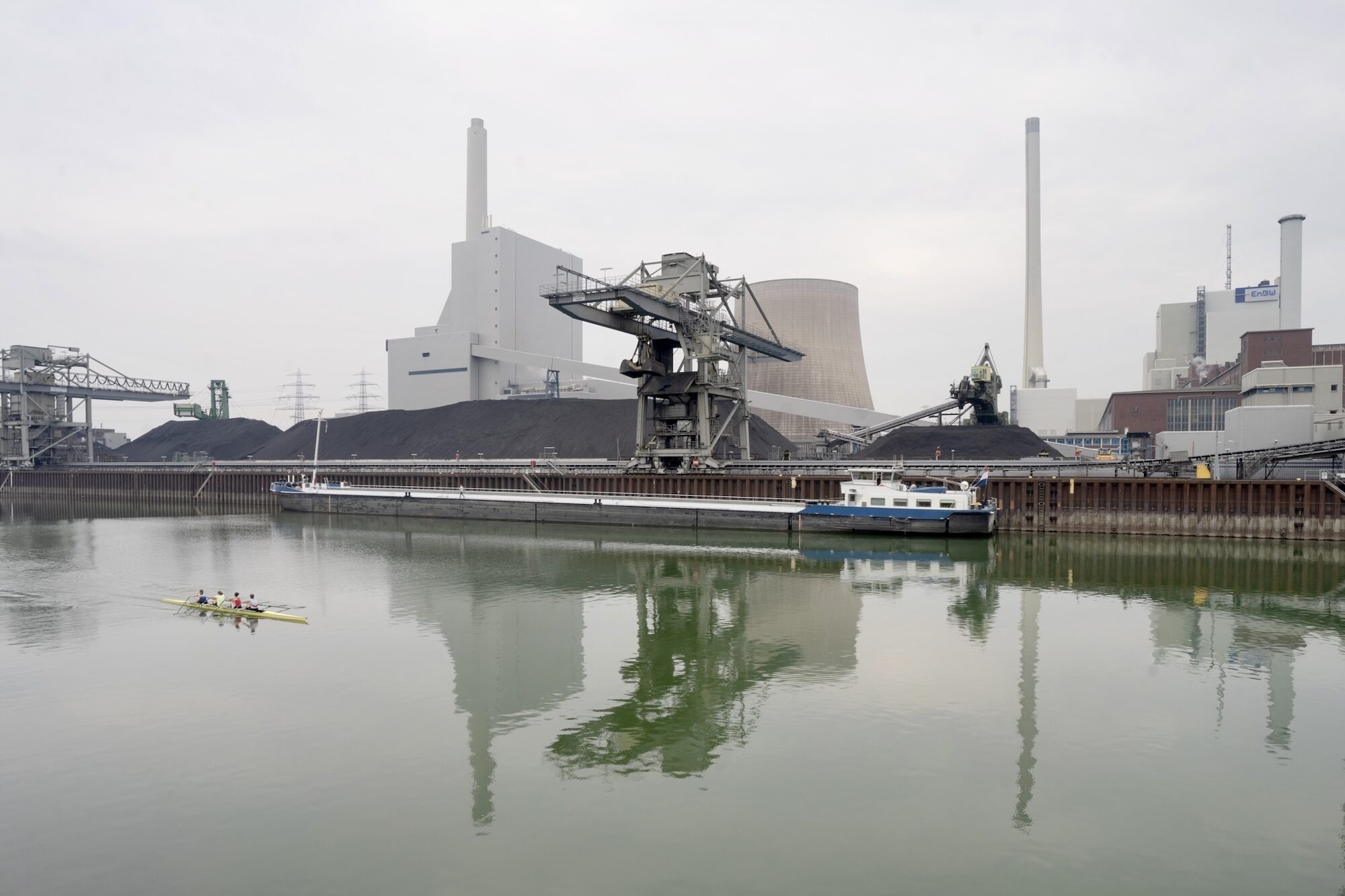
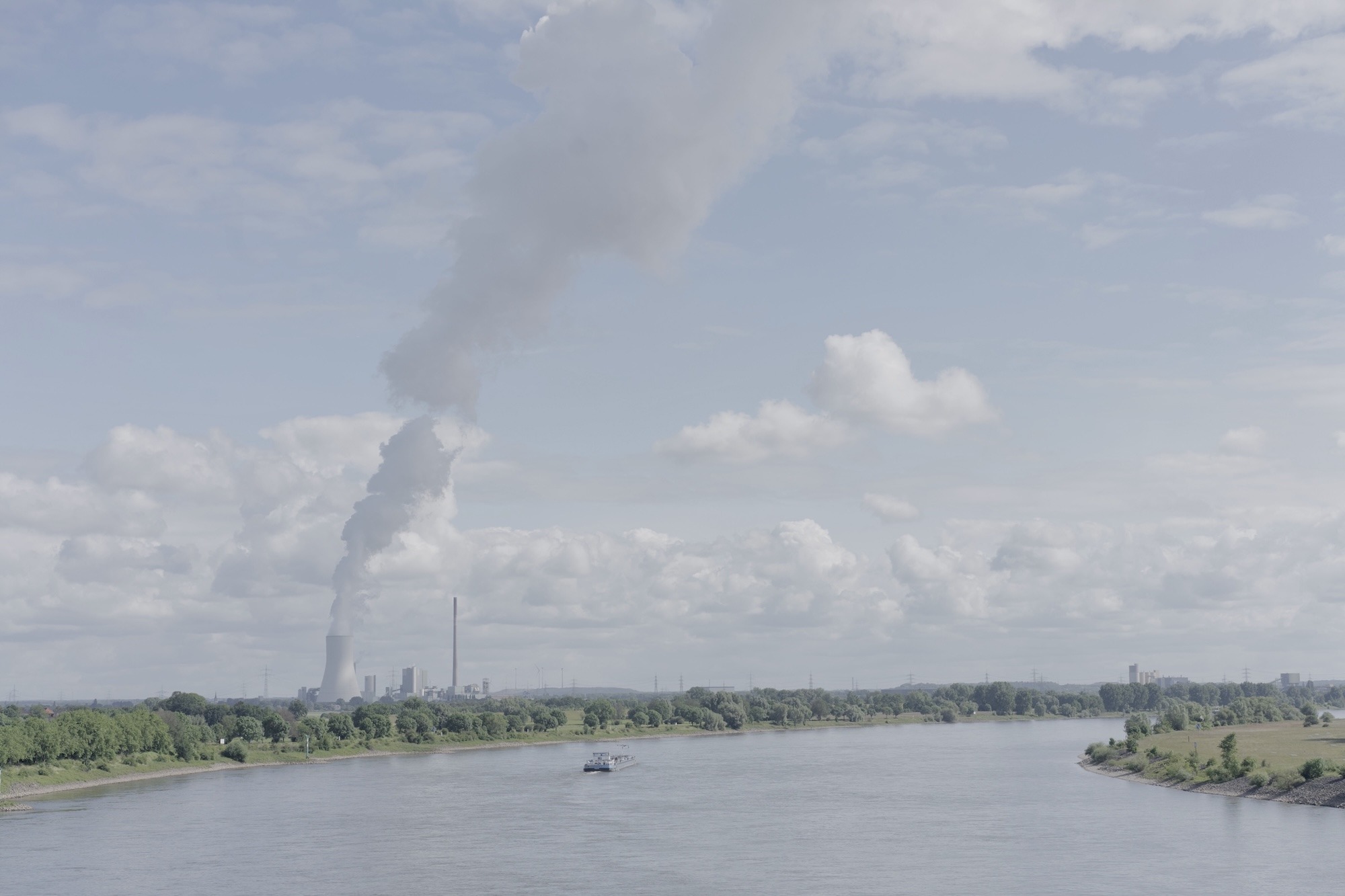
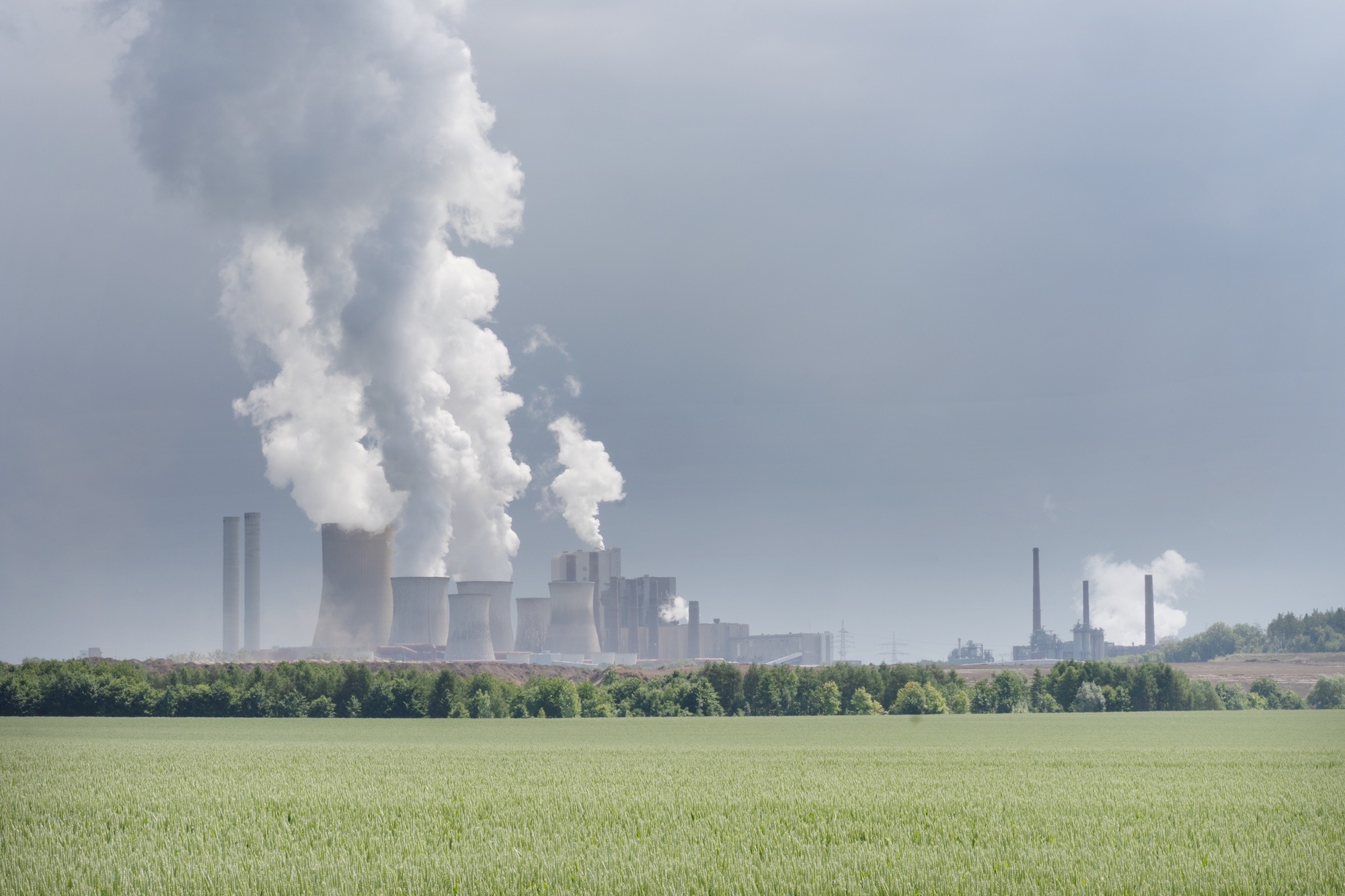
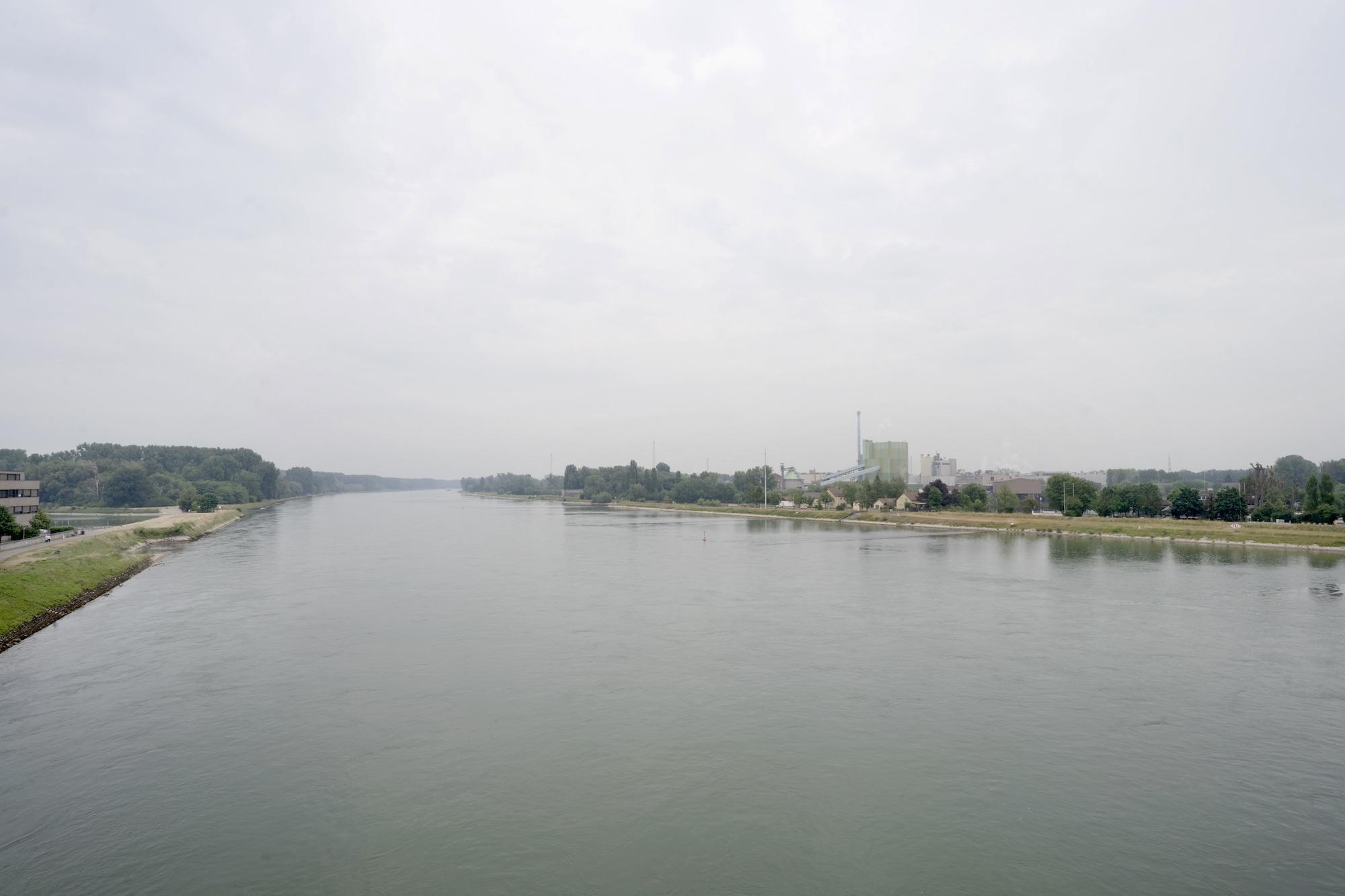
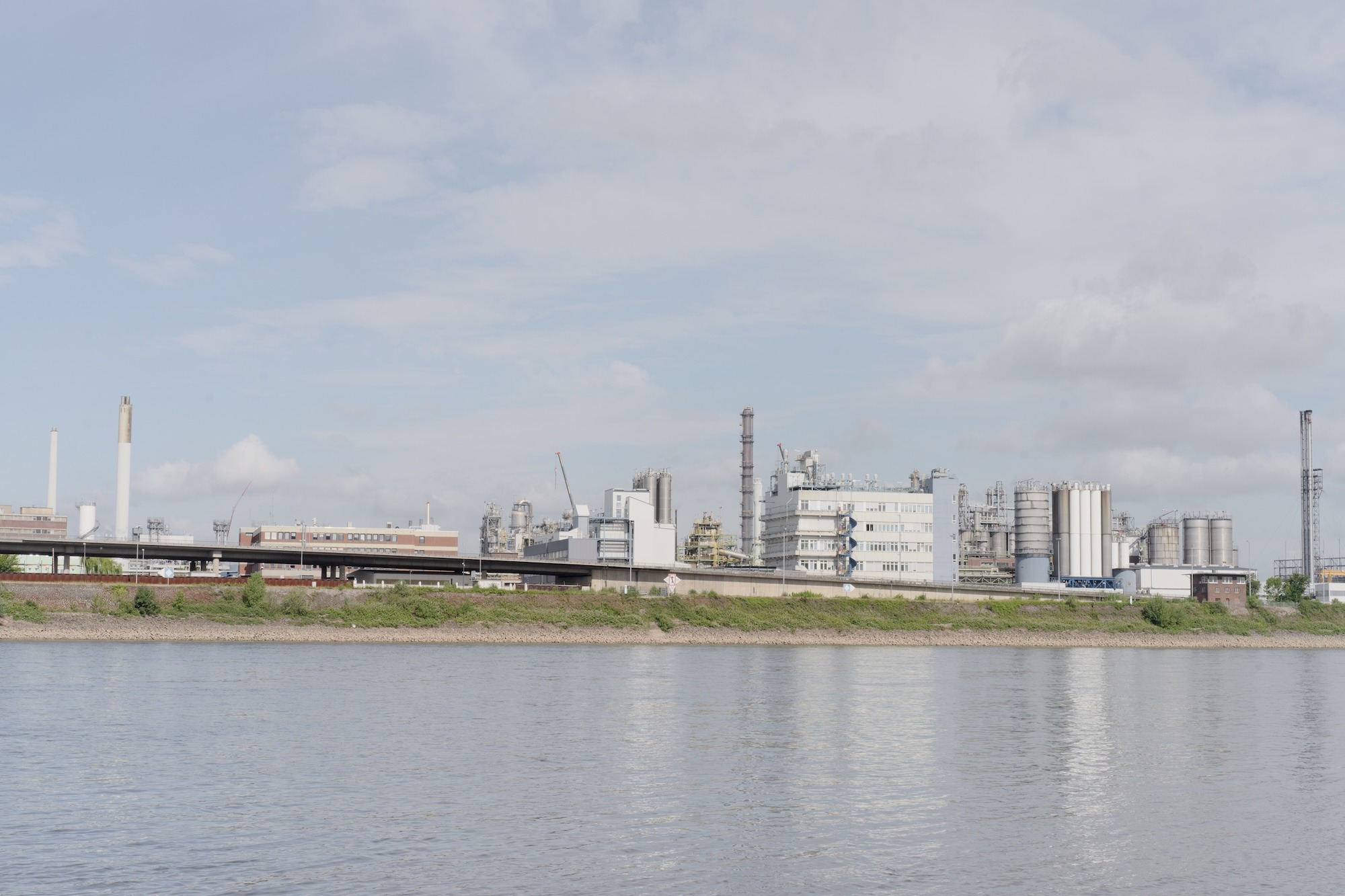
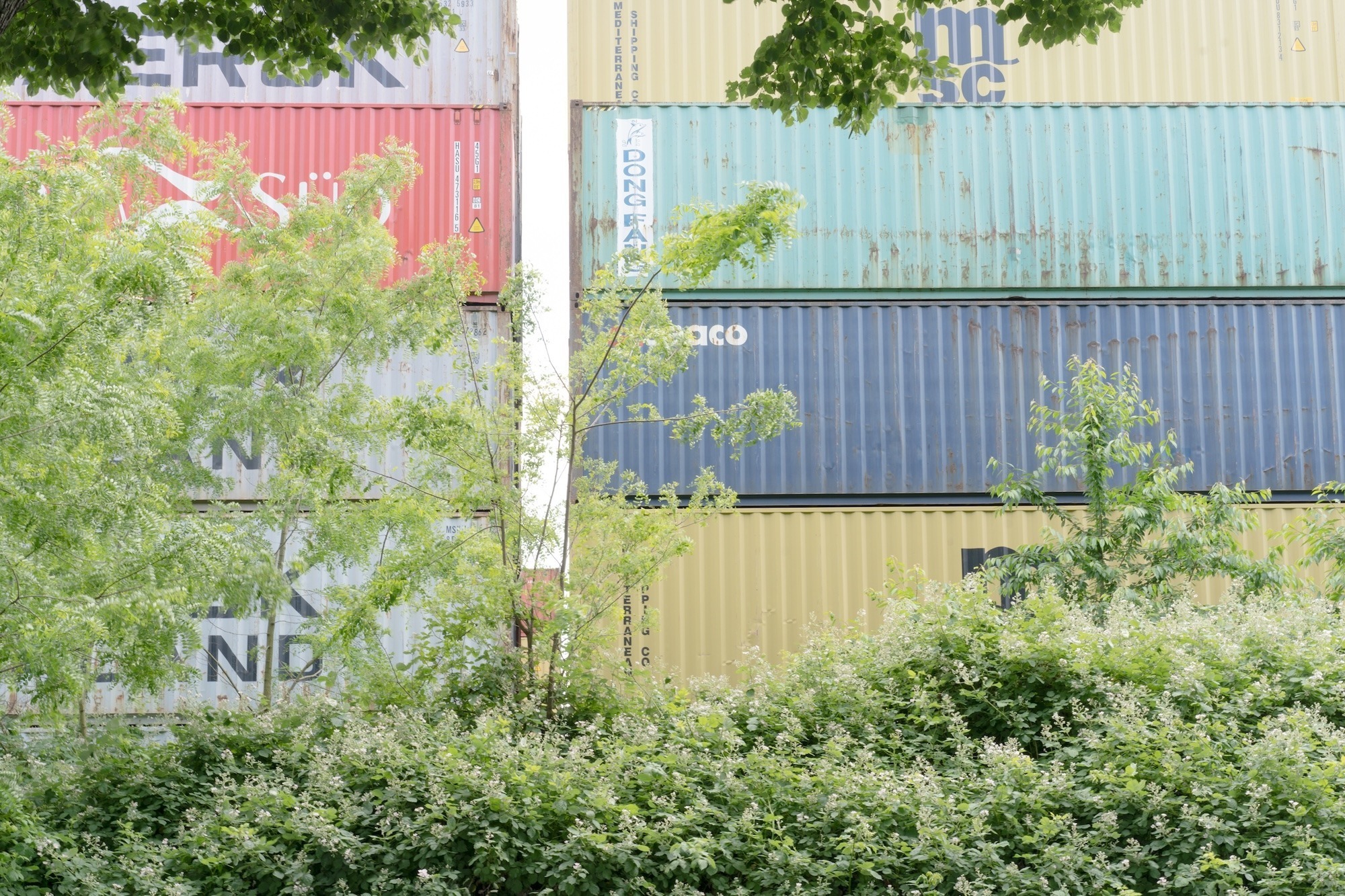
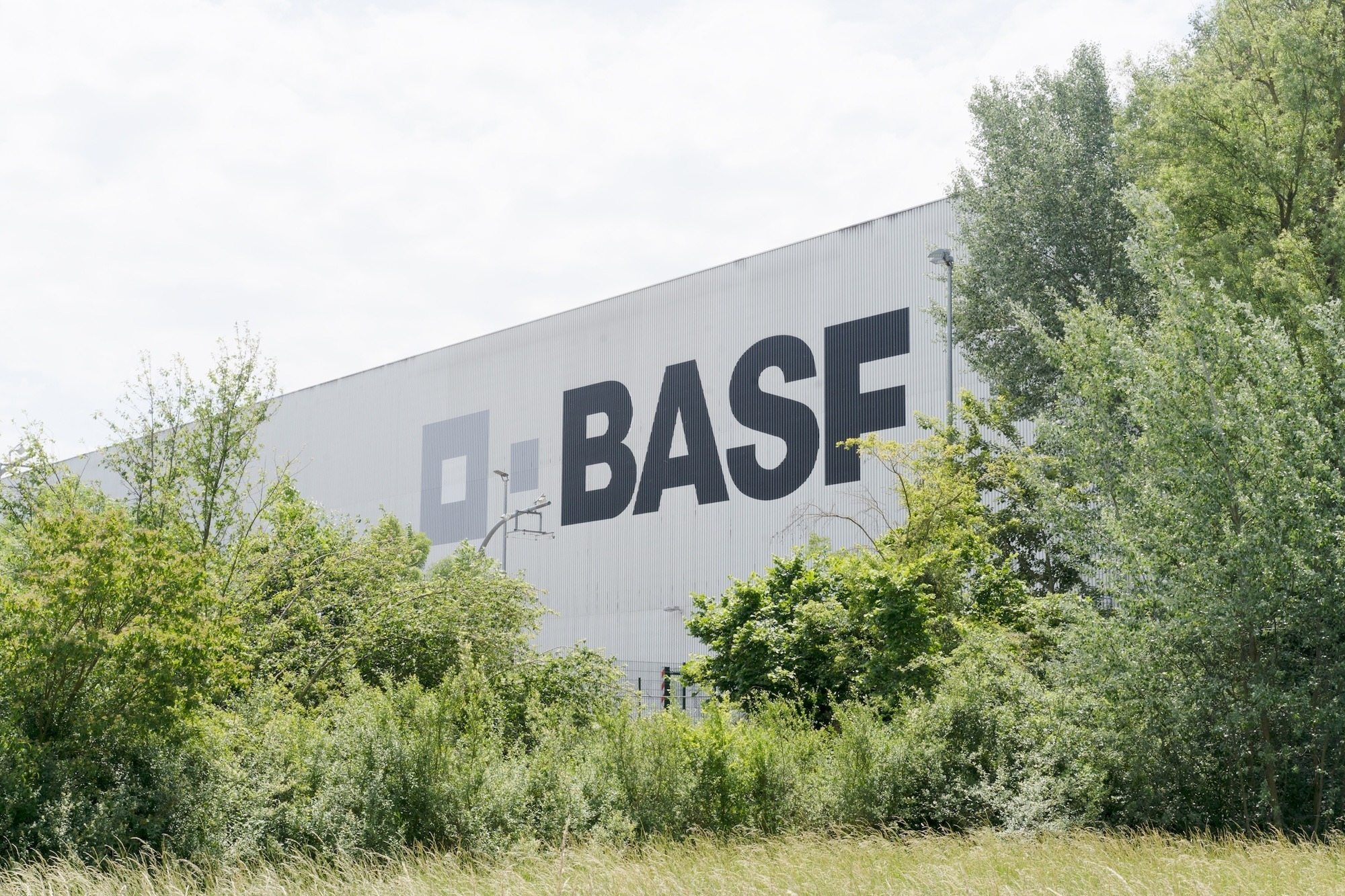
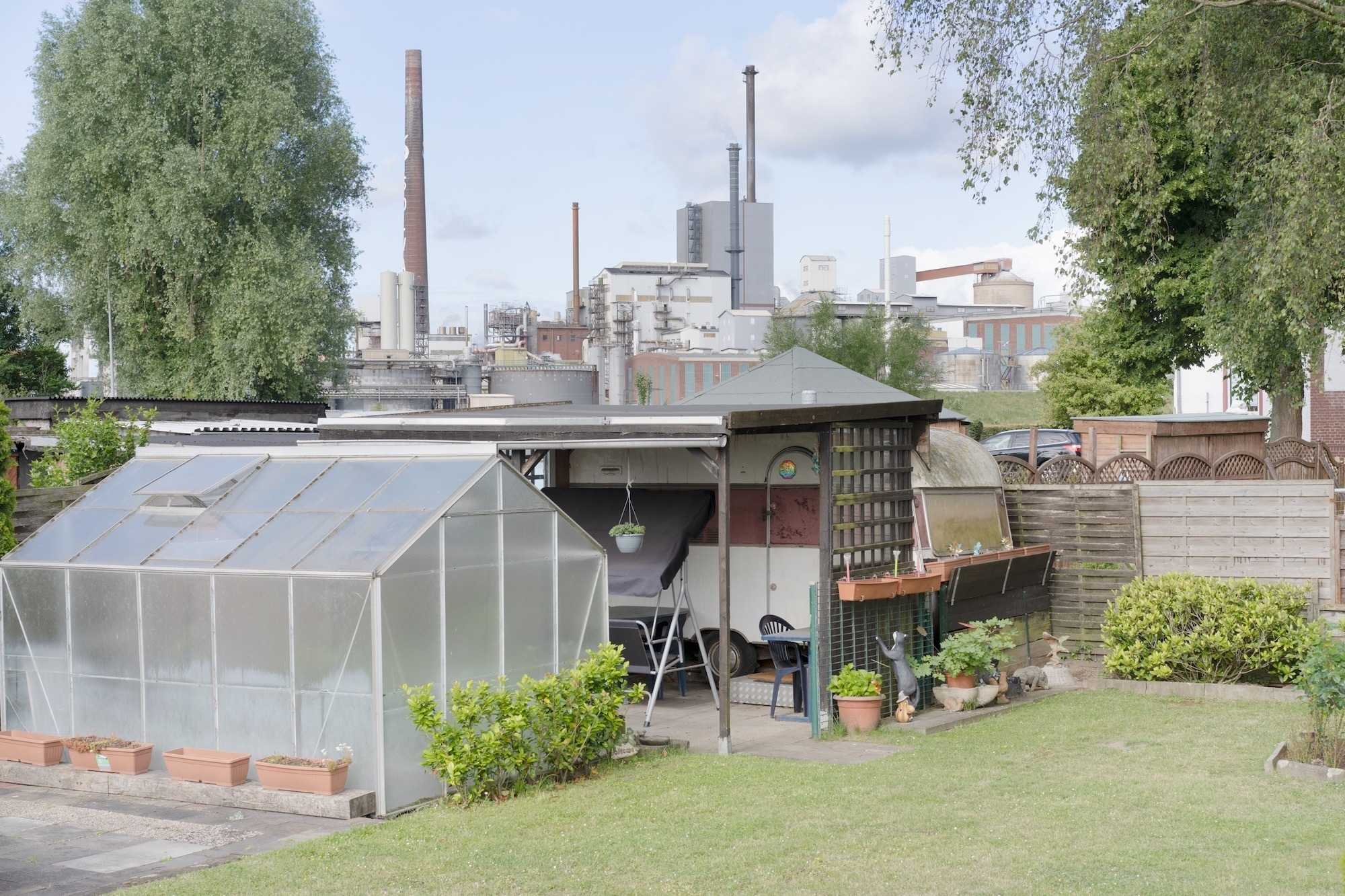
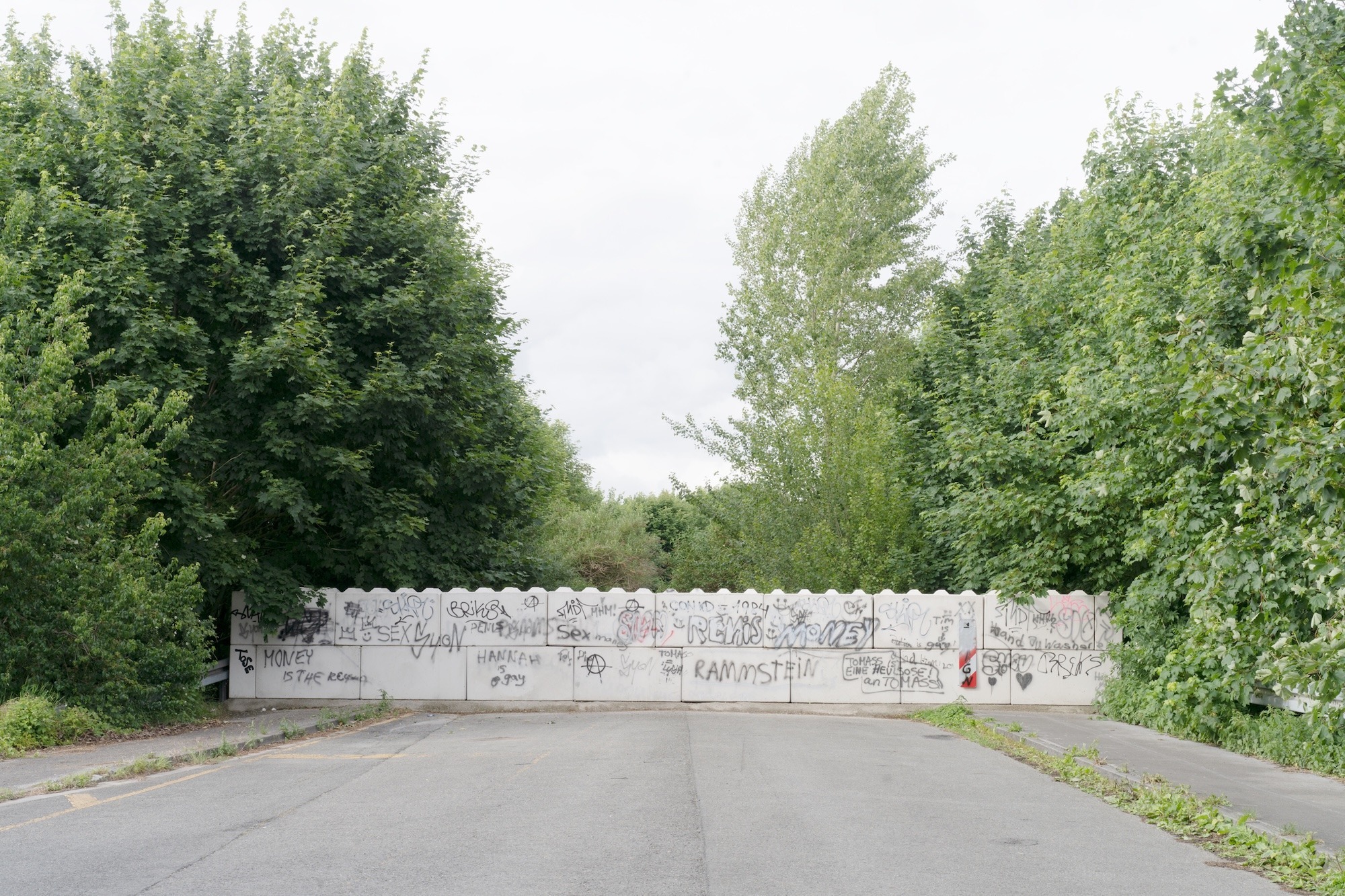
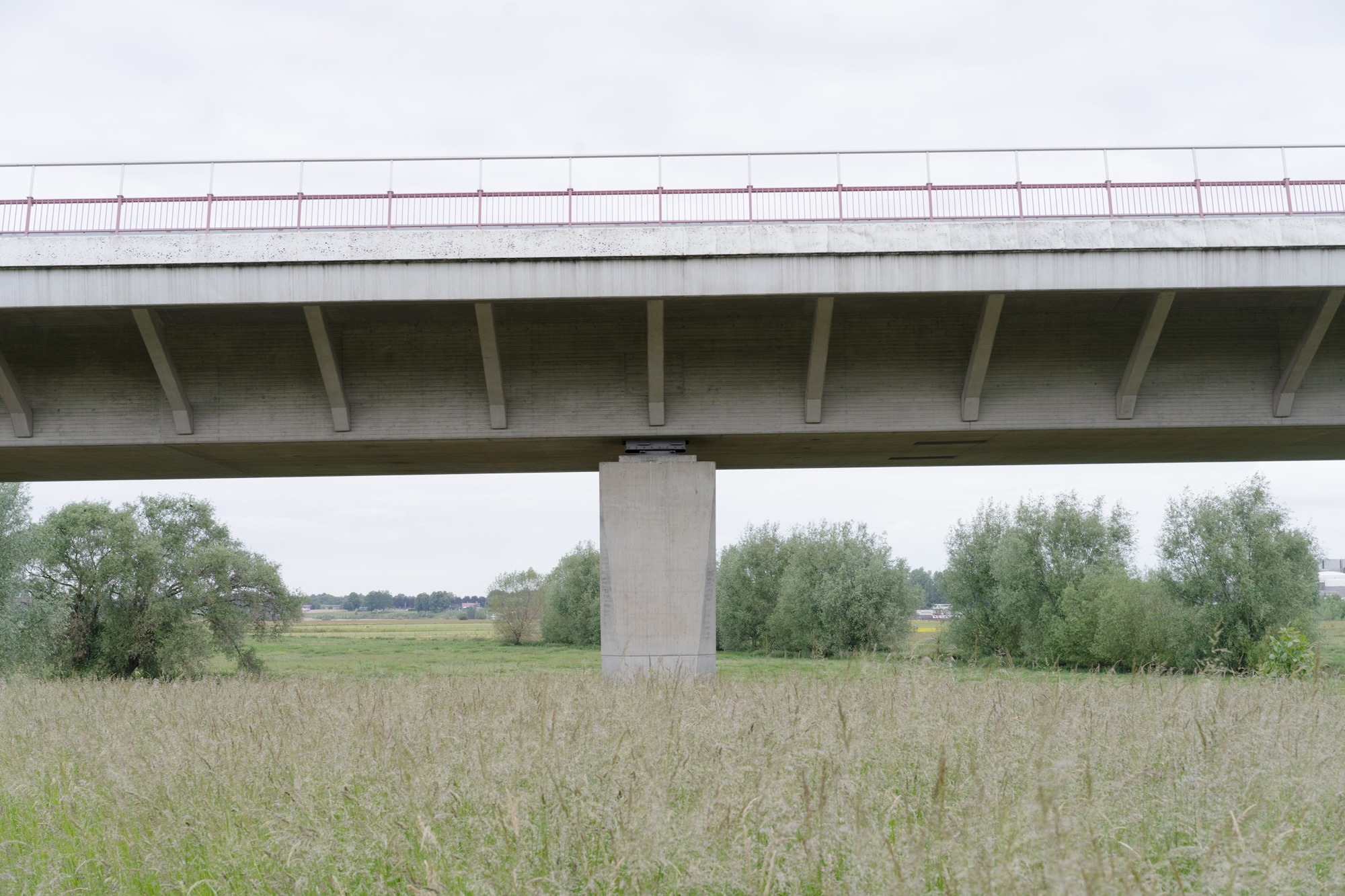
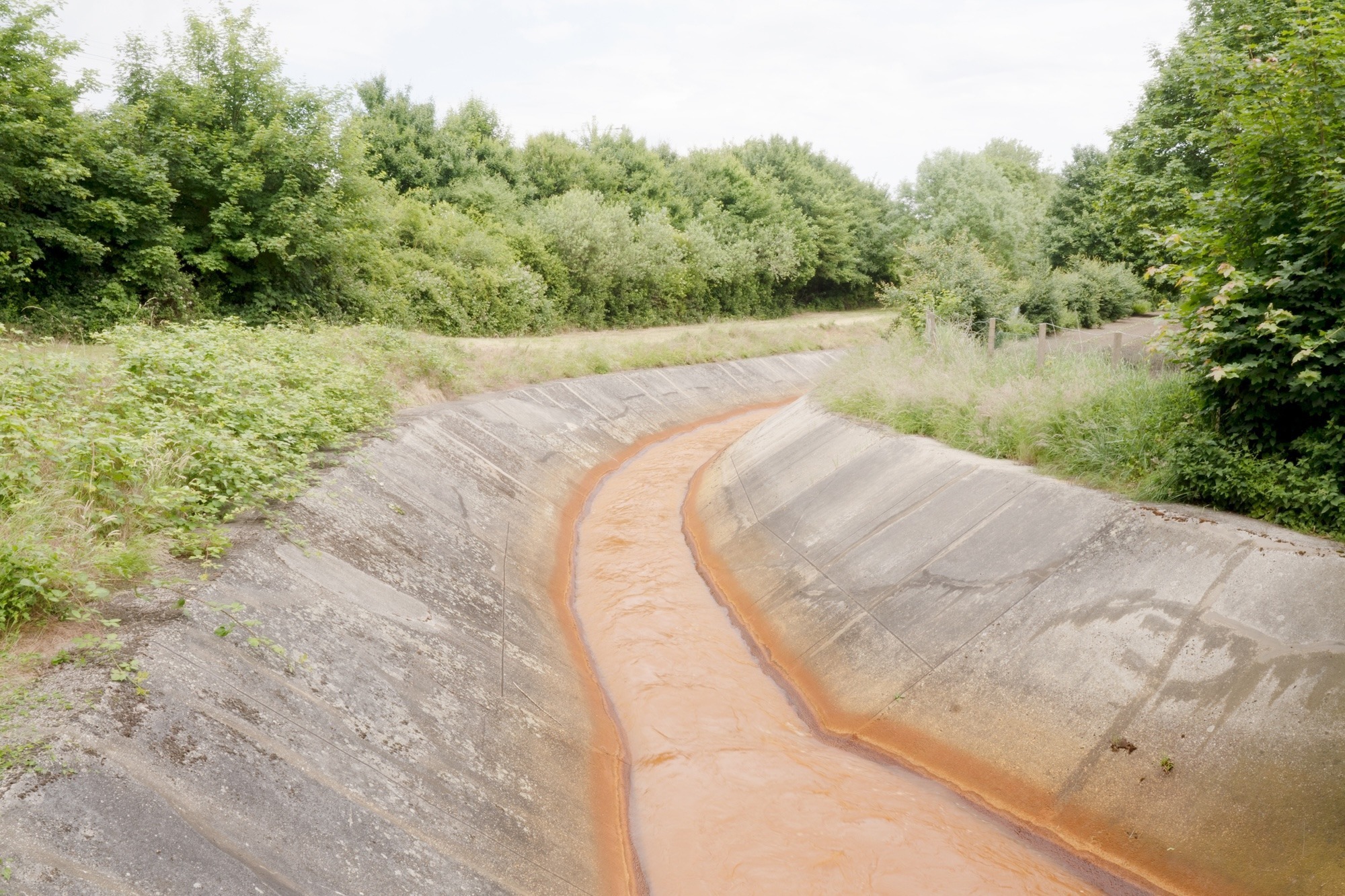
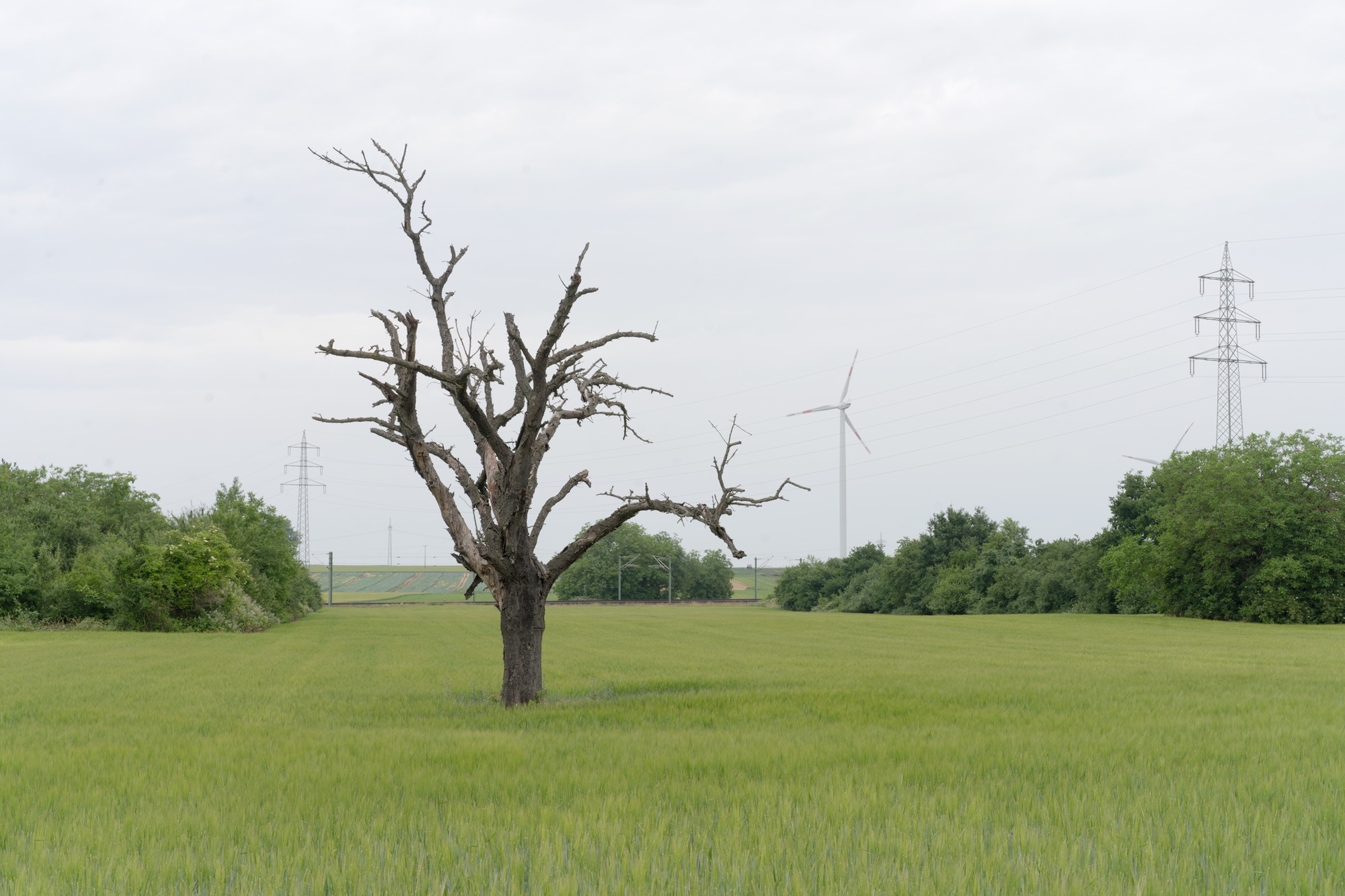
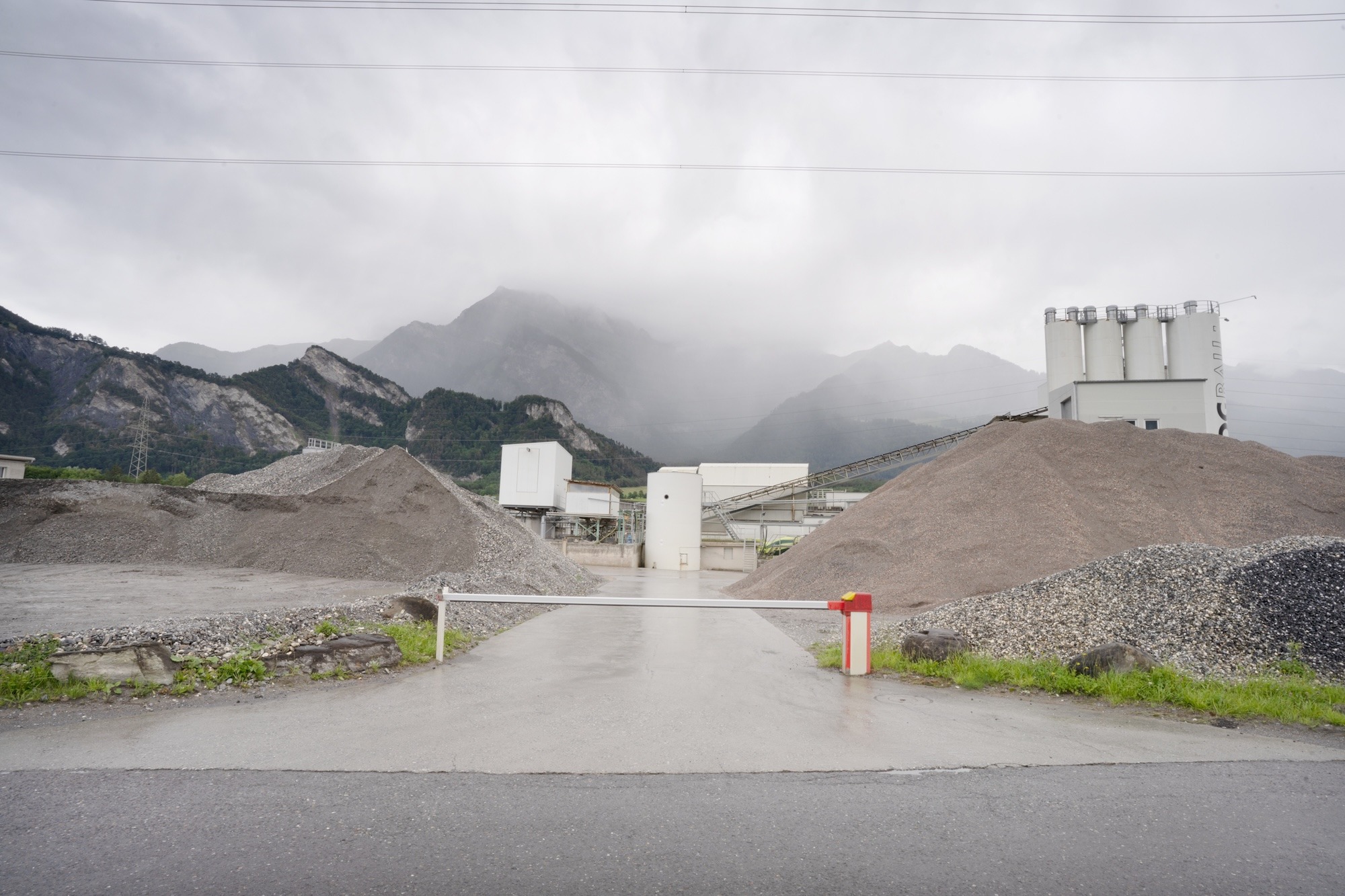
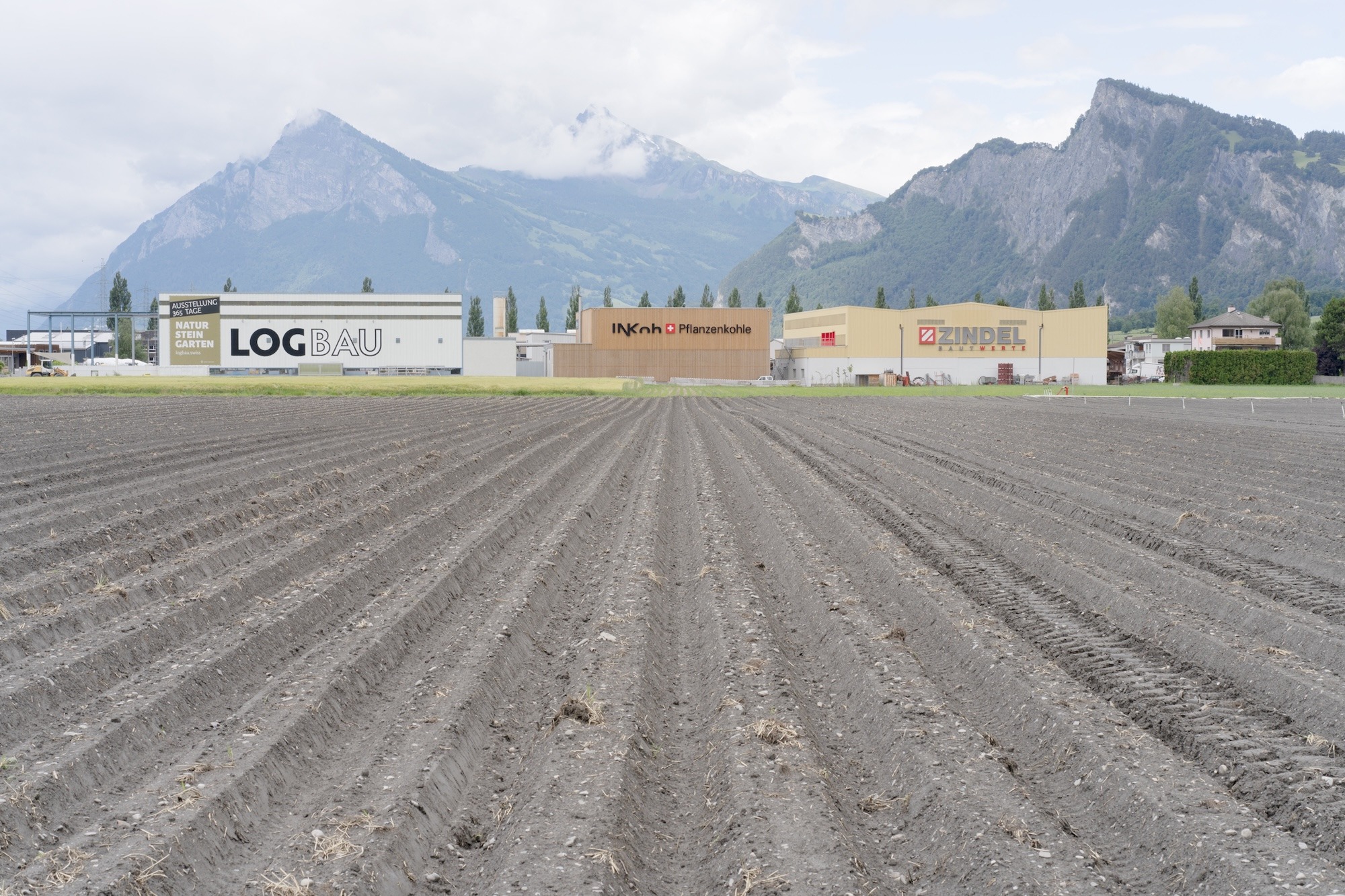
Nothing could quite prepare me for their scale of industry that shroud the banks of the Rhine. For hundreds of kilometres the river is contained, engineered, and relentlessly worked. Barges slide past like a continuous stream of busy ants, with factories and refineries rising from its banks and vast agricultural plains feeding populations clustered along its length. A closed nuclear plant stood silent on one stretch, while coal (despite known consequences) remained deeply embedded in the region’s energy mix. This formed my lasting memory and by consequence became the foundation of the portfolio.
Cycling it’s full length I still only glimpsed it’s full extent, but the scale of industrialisation was reinforced by the slow passage by bike. The trip formed part of an immersive ‘commute’ from Italy to Scotland and back for a meeting, for which I wanted to explore different forms of transport! The outward leg was straightforward enough: two days by train, broken by an unhurried evening in Paris. The overall effect relaxing and far less stressful than the avian option, though a day longer and significantly more expensive (the latter I have learned to accept as a consequence of adopting a lifestyle that seeks to reduce my carbon emissions). The immersive cycle, however, was more akin to the bygone days of (not so) long ago when air travel wasn’t an option. An age where time, and the rate of acceleration, were just a little slower, and the horse, wind and the flow of the river ruled. I thought my passage might reflect this, but it was not to be. For unlike the Danube immersion, the Rhine is rarely a river that invites nostalgia. It’s a river of logistics, supply chains, production lines, and densely layered histories of development. Until the final approach towards the Alps, I often felt I was cycling through the inner circuitry of western Europe — a place where nature persists but rarely leads.
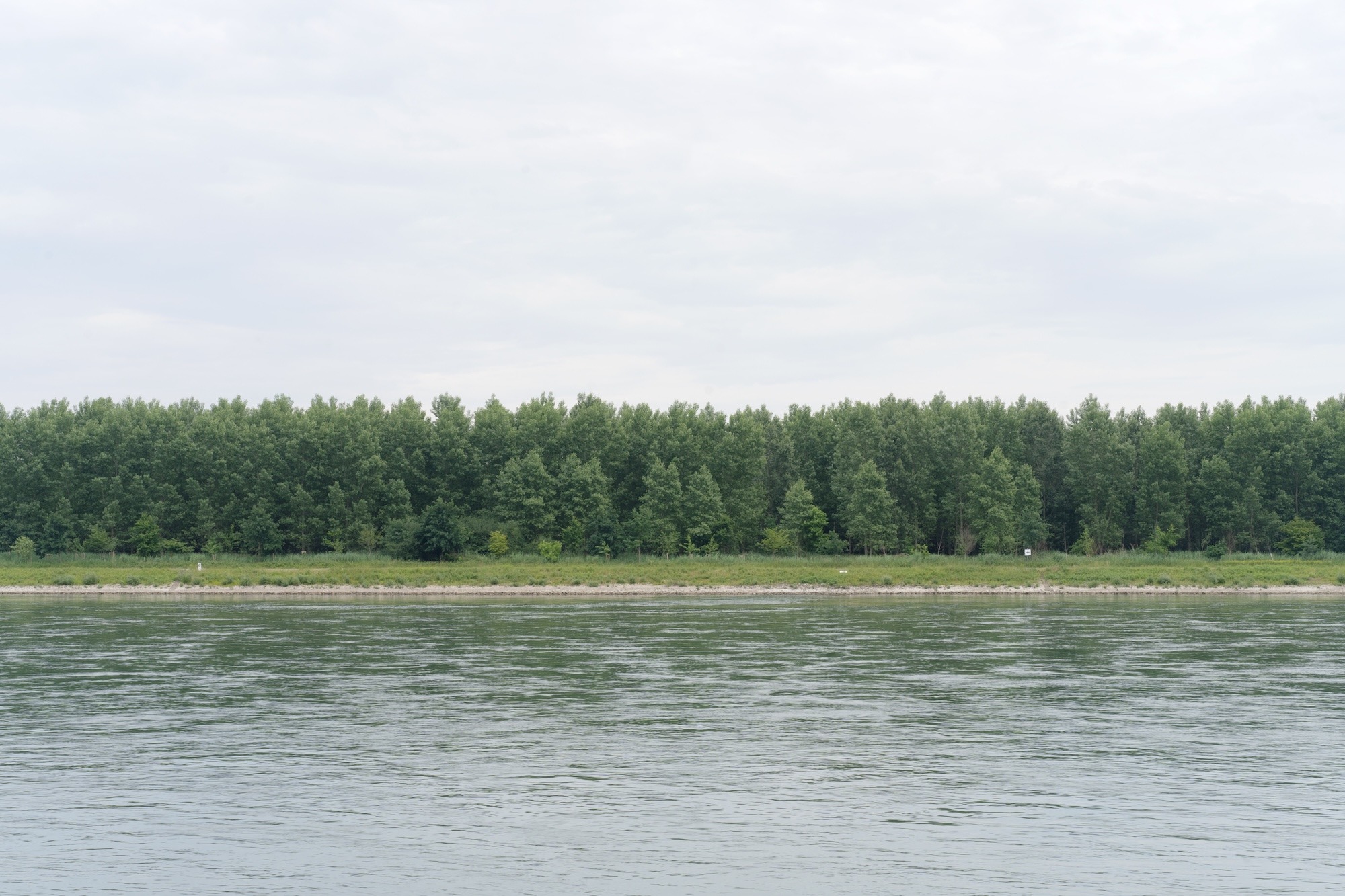
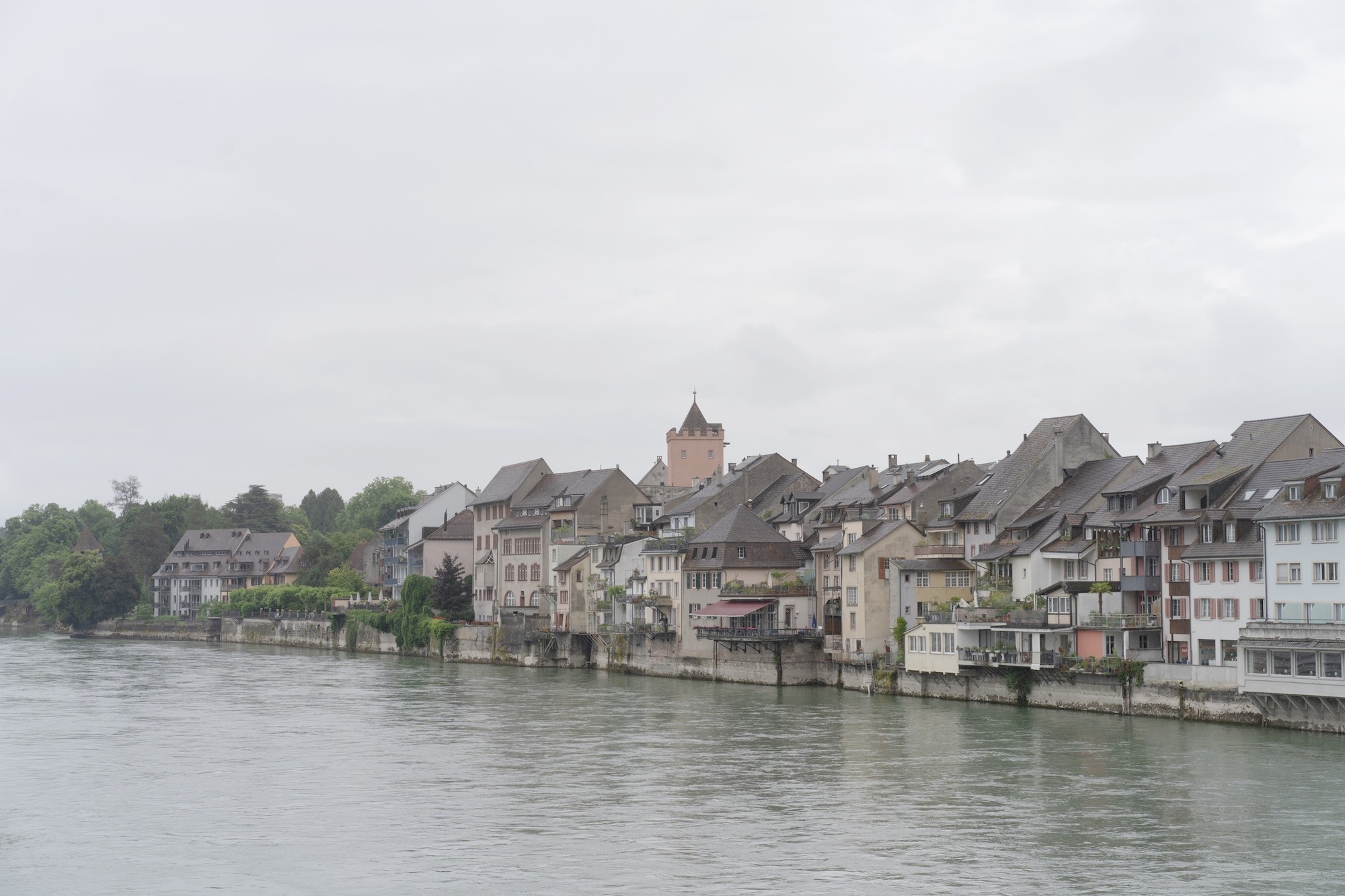
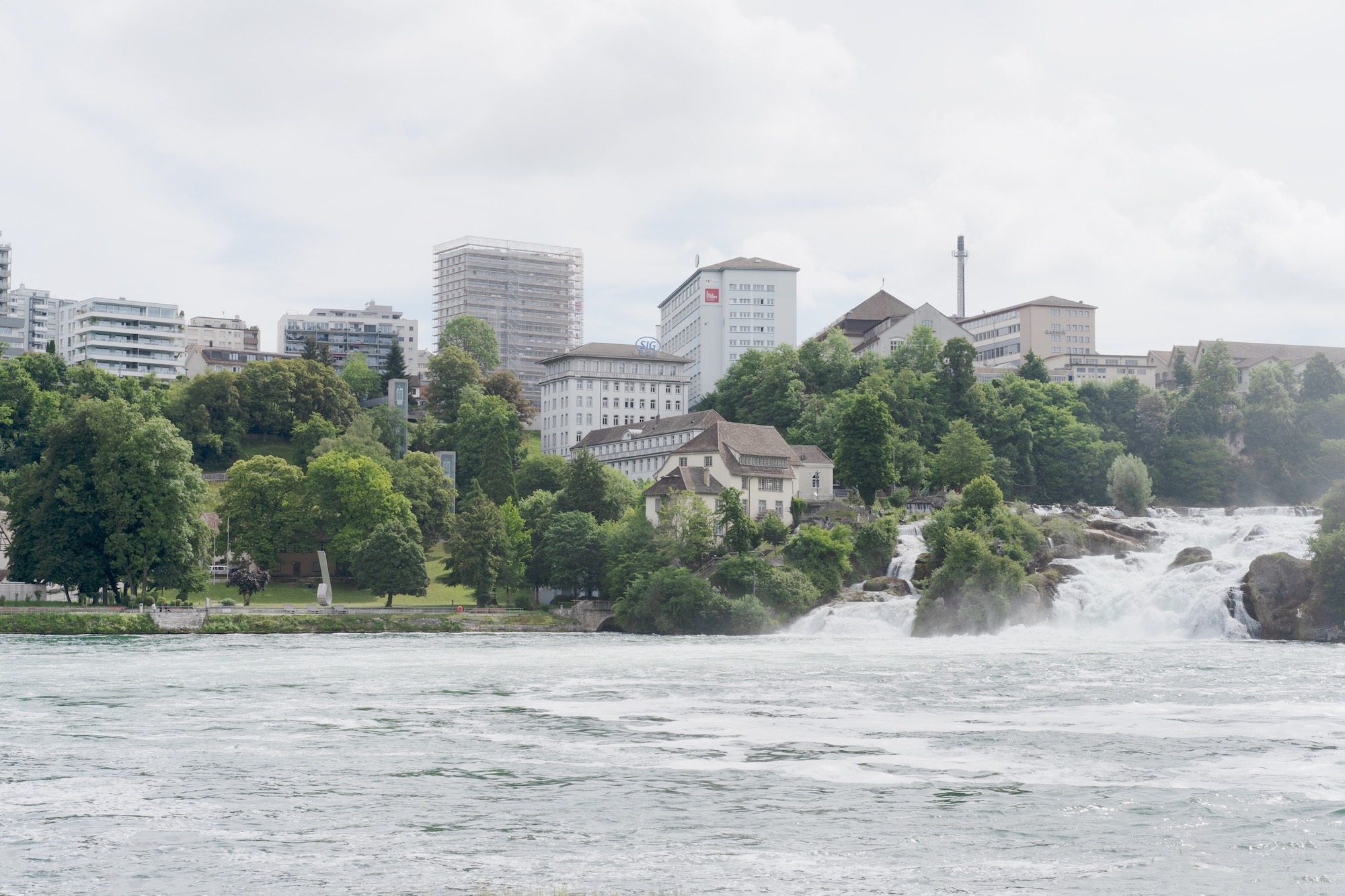
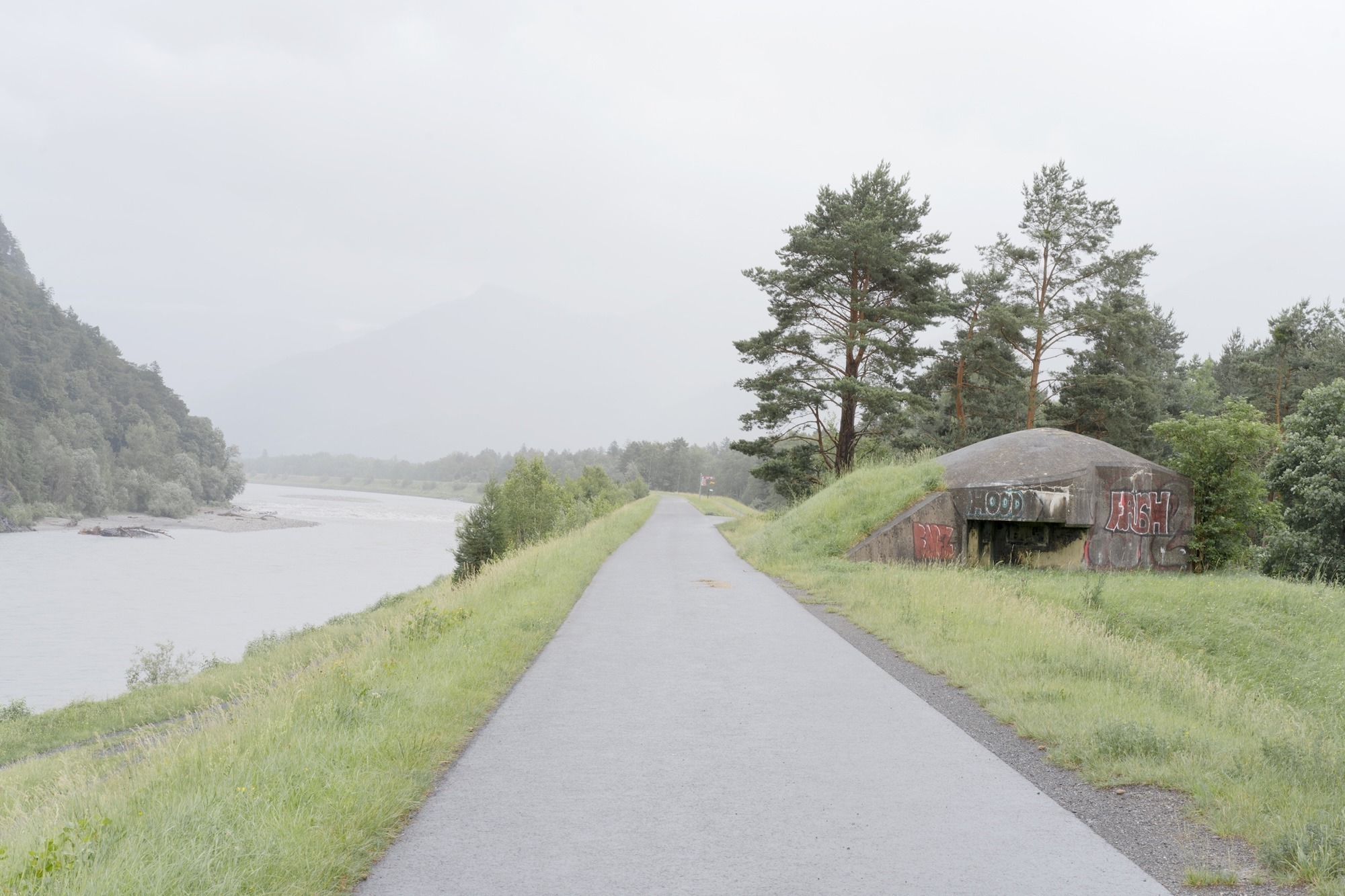
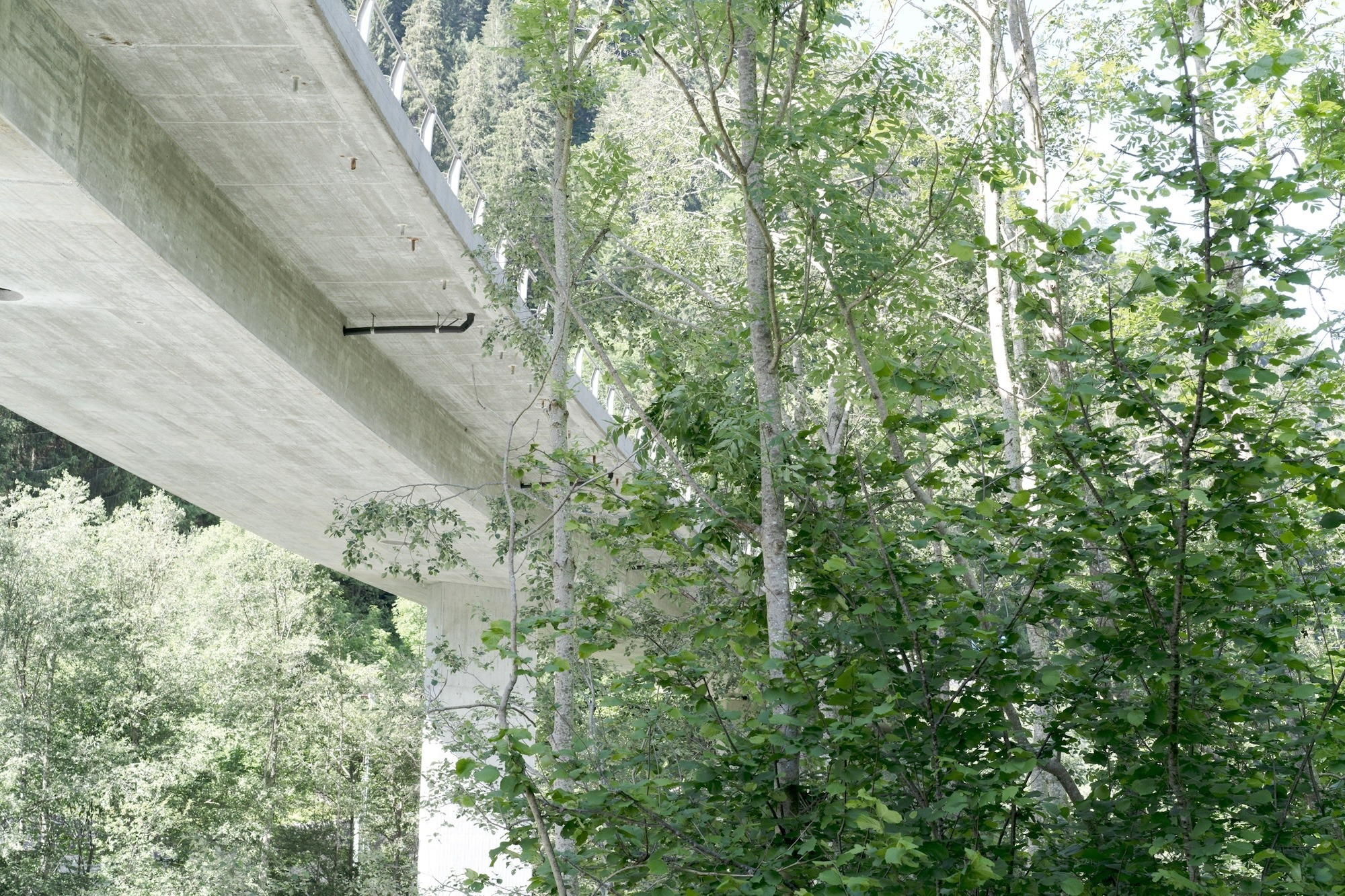
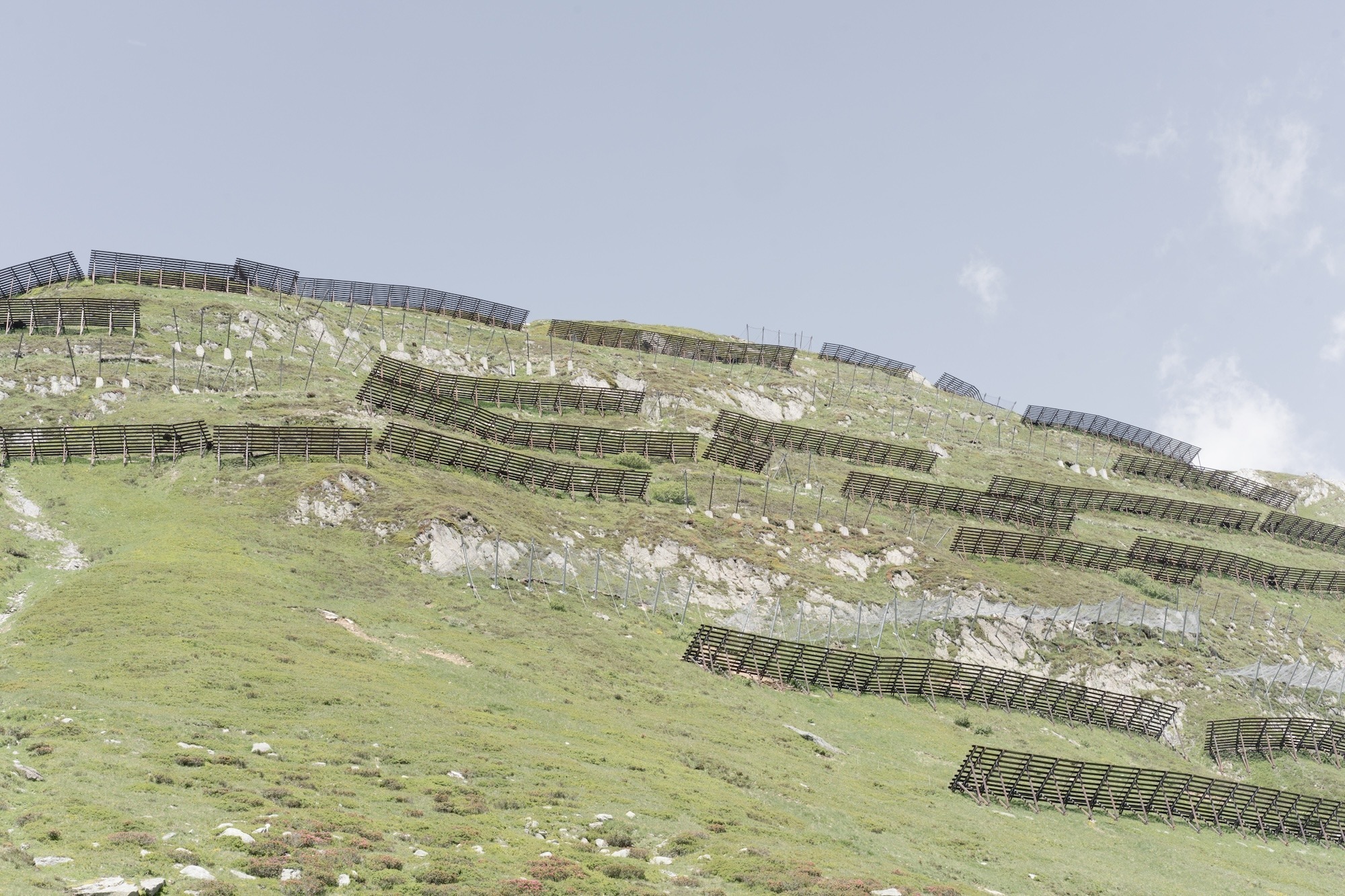
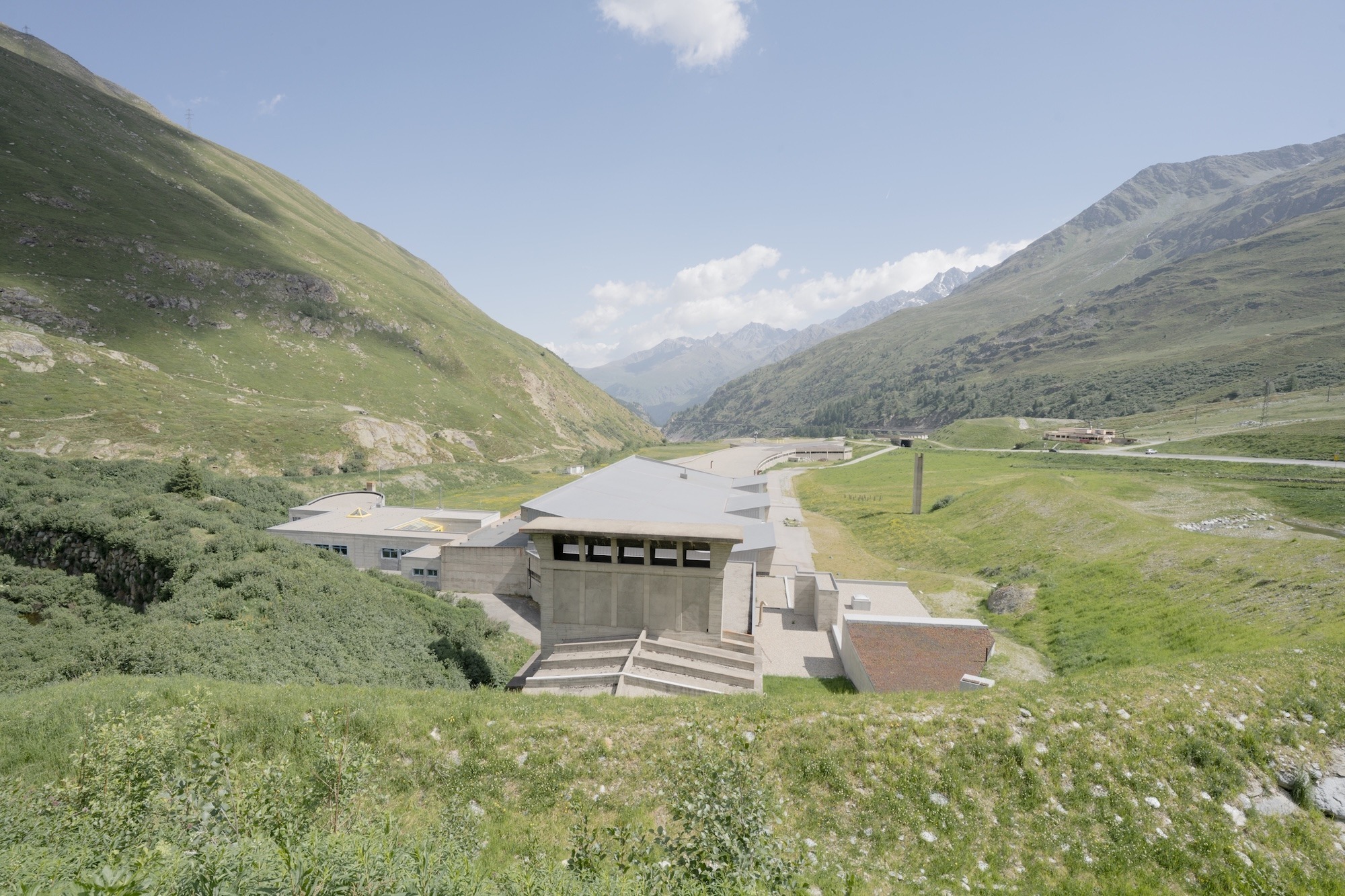
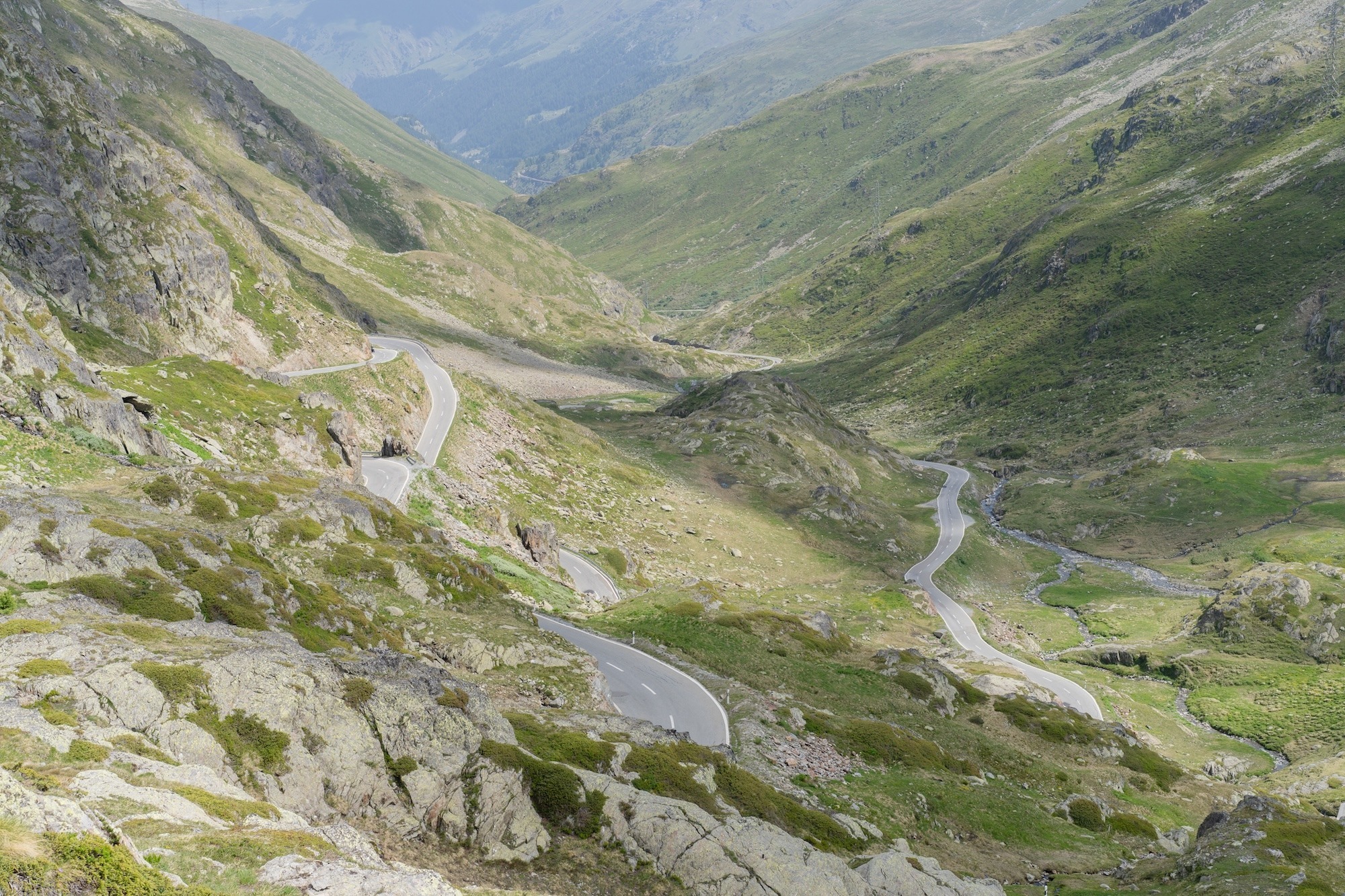
In her upper reaches, the tone does eventually shift after the impassable Rhine Falls (Europe’s largest waterfall), which prevents further passage for the transport of goods and by consequence everything seems to take on a slightly quieter pace. Even here though, the voice of humanity cries loudest for many miles. It is only in her upper reaches that the channel narrows, the gradients steepen, and the landscapes soften into something recognisably alpine. Here the Rhine finally reveals her quieter side, one shaped less by extraction and more by the mountain forces that gave birth to her, though even here it is impossible to avoid the human touch.
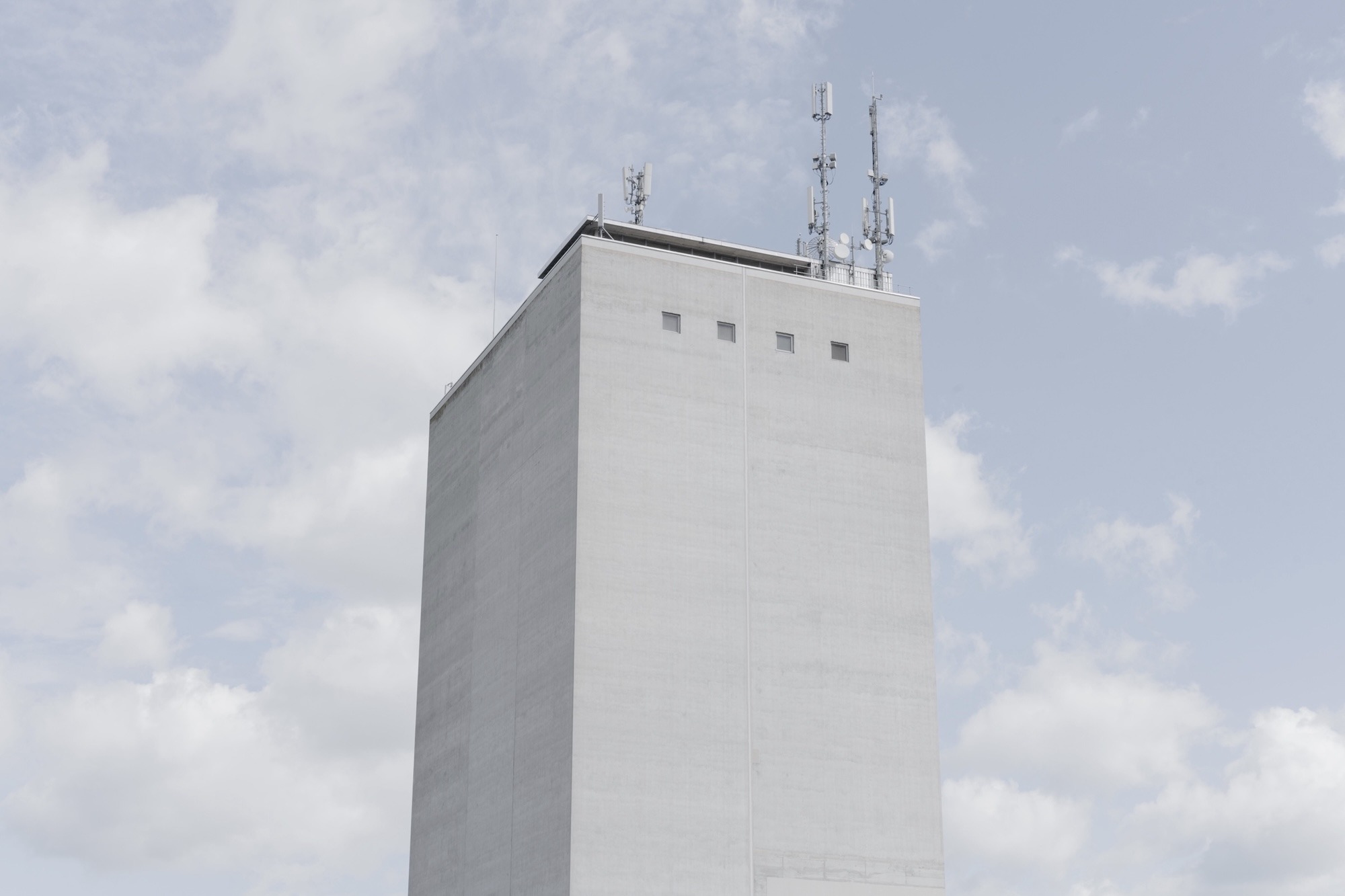
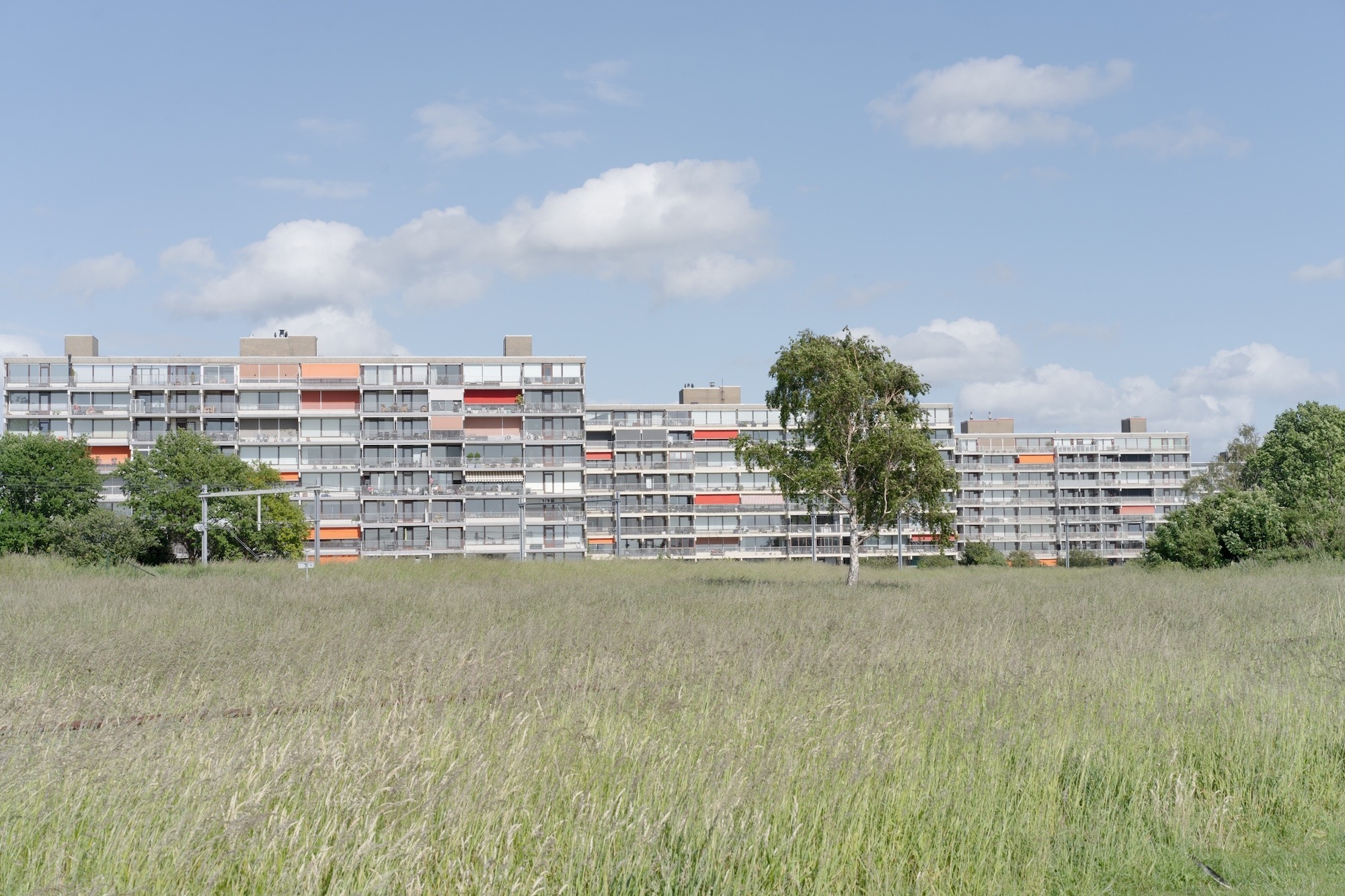
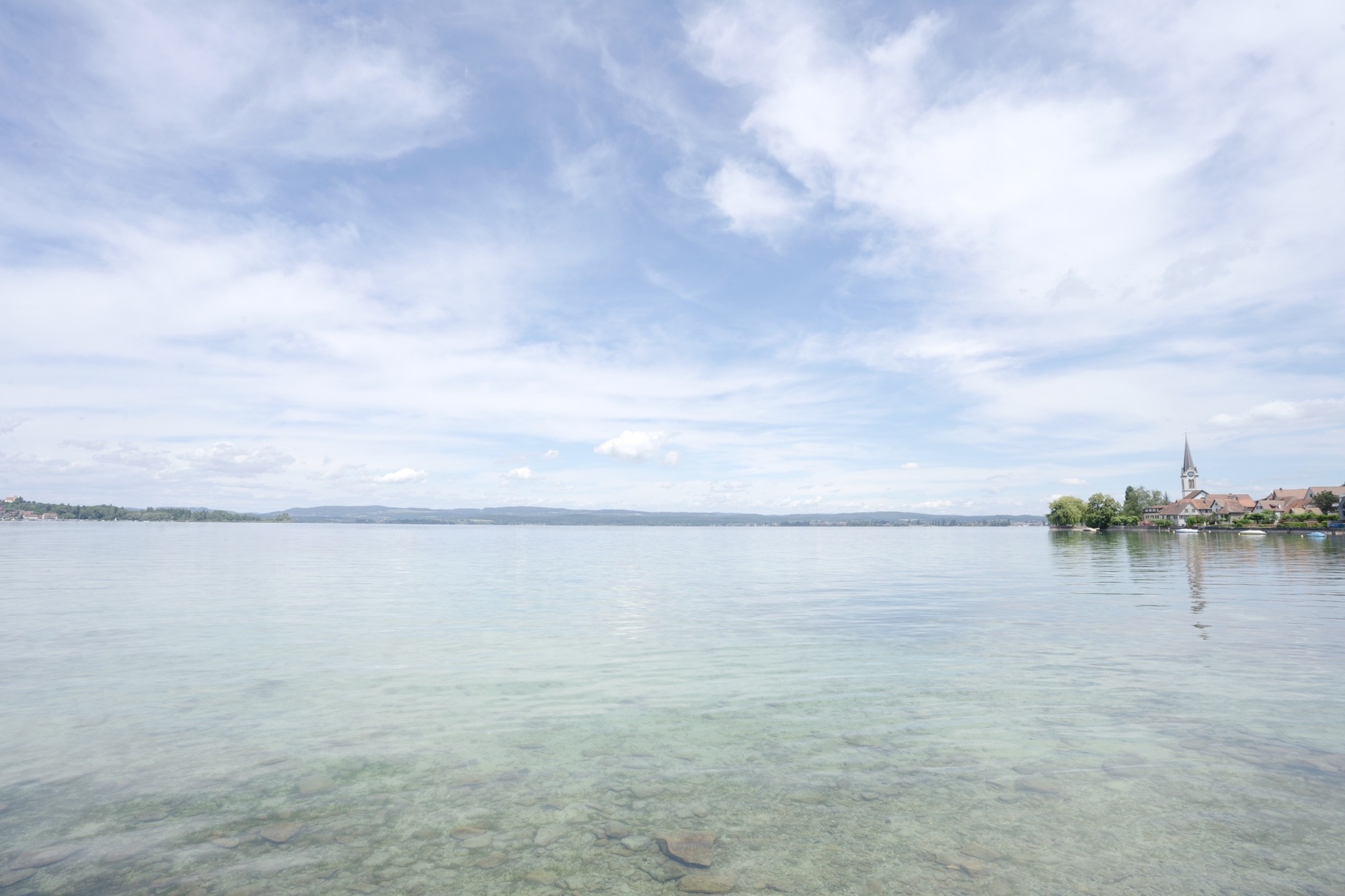
This portfolio follows my commute up the Rhine, responding to what I immediately witnessed rather than seeking out influencers. So intense was the impact that the remainder of the journey can be easily detached. This is the story of an immense force of nature transformed into an engine for Europe. Despite our best efforts, however, there remains a powerful reminder of what lies beneath all our infrastructures.
WHY I CHOSE THIS JOURNEY
- To test alternatives to flying
- I wanted to understand what low-carbon travel feels like in practice — its slowness, its friction, its unexpected rewards and consequences
- To explore electrified movement
- Choosing an e-bike was intentional. I wanted to see where the limits and possibilities of assisted cycling sit within long-distance travel
- To continue a personal river project
- After cycling the Danube in 2018, tracing the Rhine felt like a natural next step — another thread in Europe’s story of rivers as transport routes, cultural spines, and contested spaces
- To witness the landscapes shaping modern Europe
- The Rhine corridor holds industry, agriculture, energy systems, tourism, and urban growth in unusually dense proximity. Experiencing it at bike speed offers a perspective few other modes of travel can match
- To think differently about a “commute”
- If we redefine mobility around care rather than convenience, what becomes possible — or necessary? This journey helped me sit with that question in real time