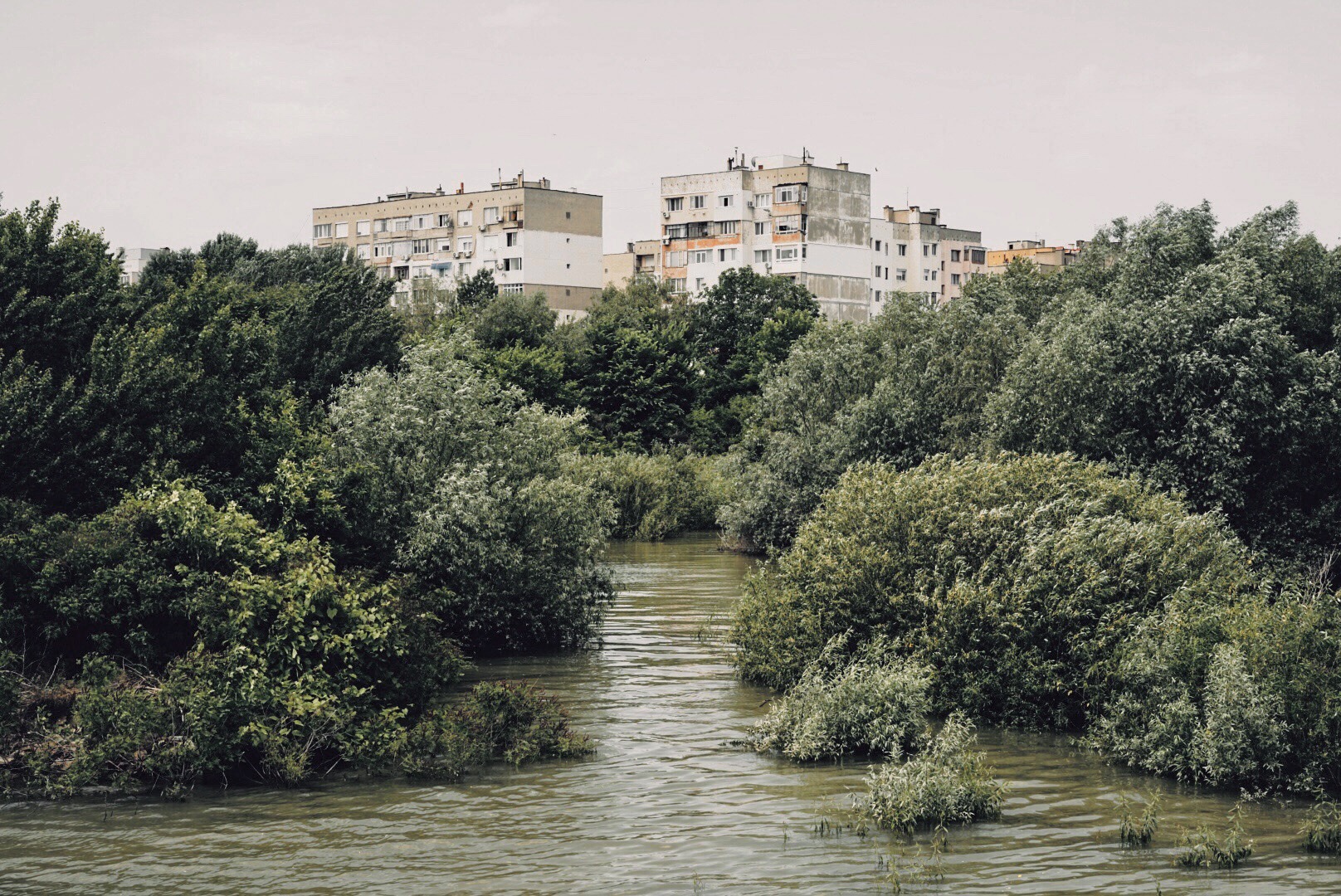
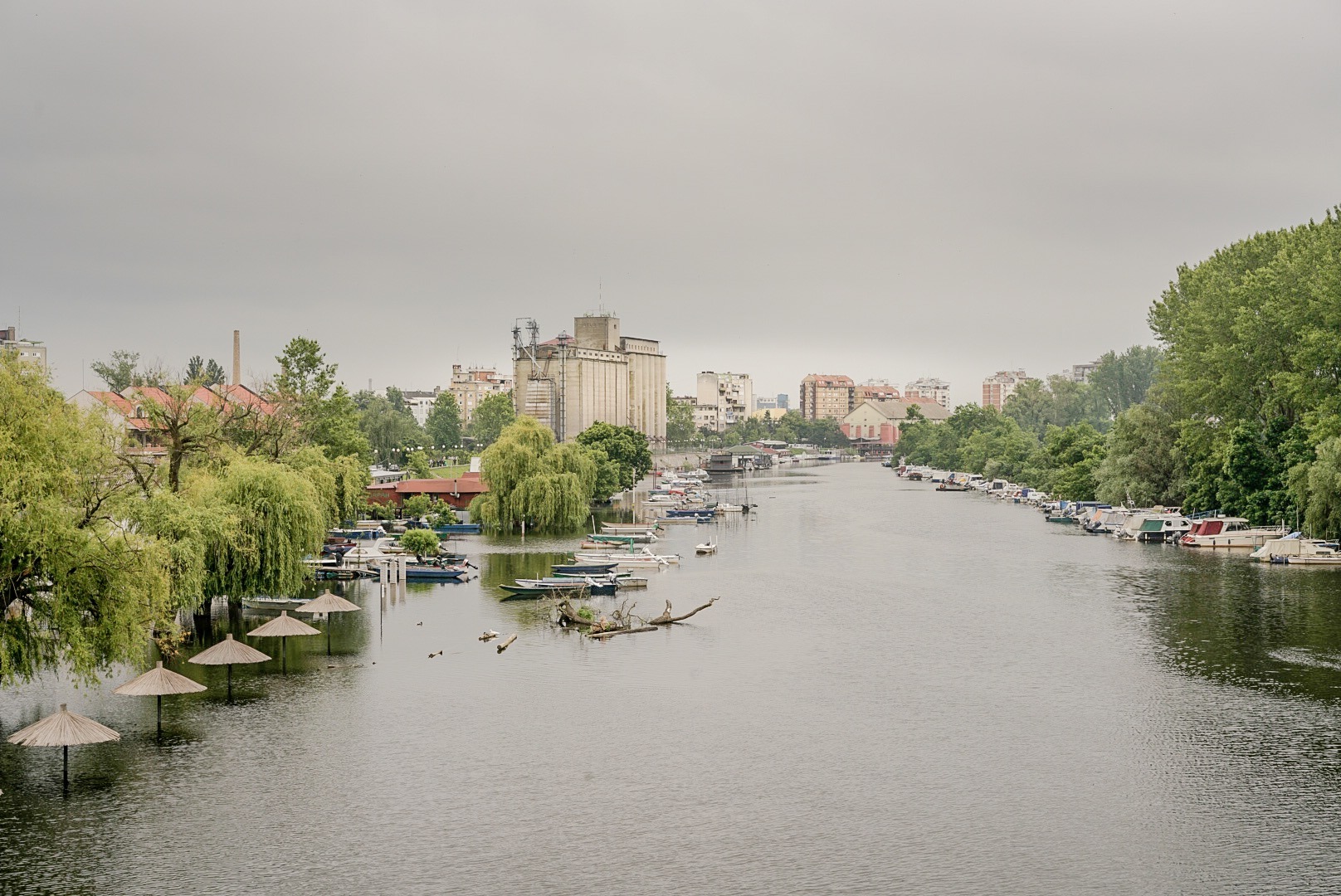
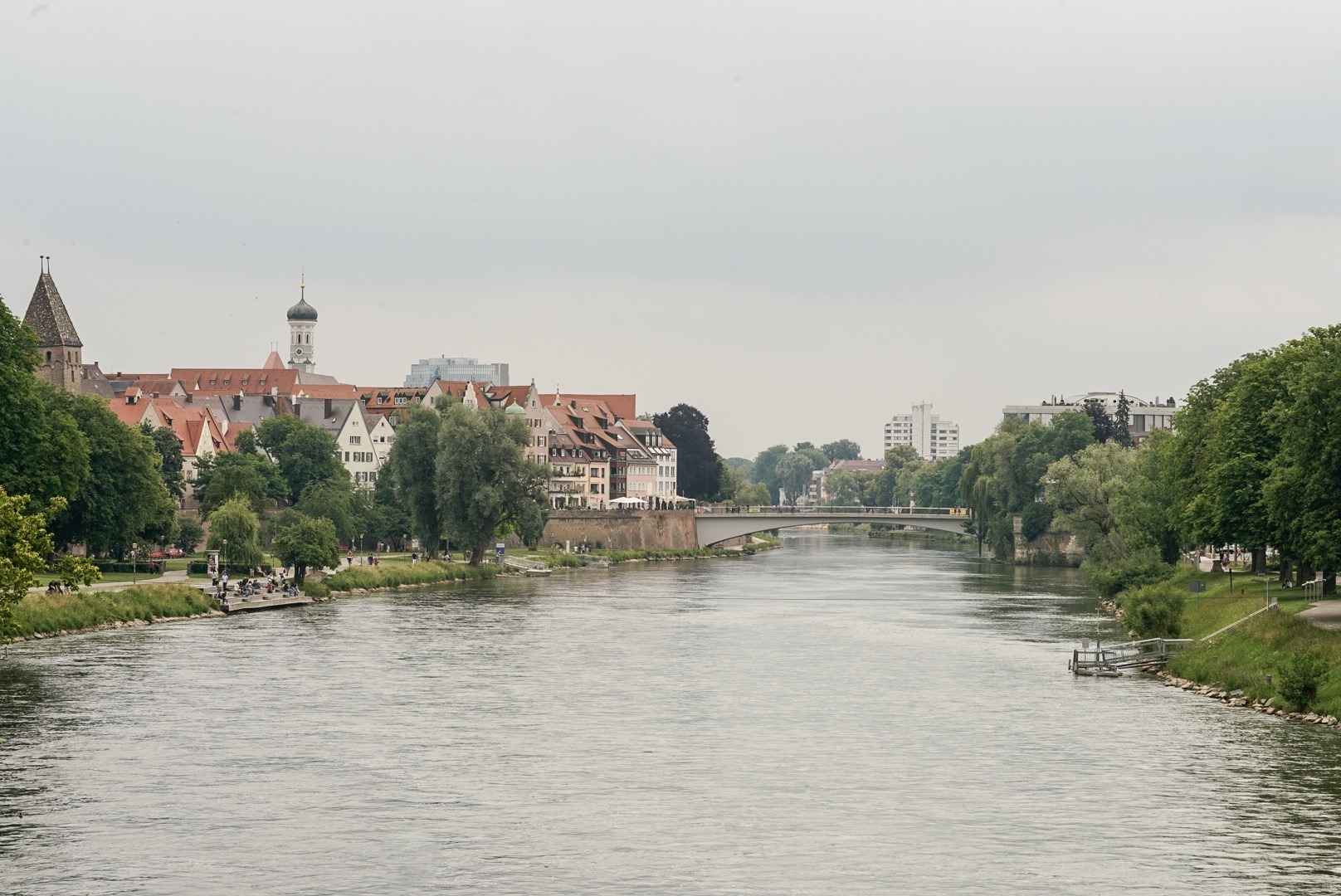
Her influence is almost impossible to comprehend. One of Europe’s great arteries, the Danube has shaped the continent’s physical and cultural architecture for millennia. She is at once boundary and bridge, obstacle and conduit – a lifeline for millions of human and non-human lives, a home, a resource, a route, a memory bank of empire, migration, trade, and conflict. Her watershed reaches across 817,000 km2 and 19 countries are graced by her waters.
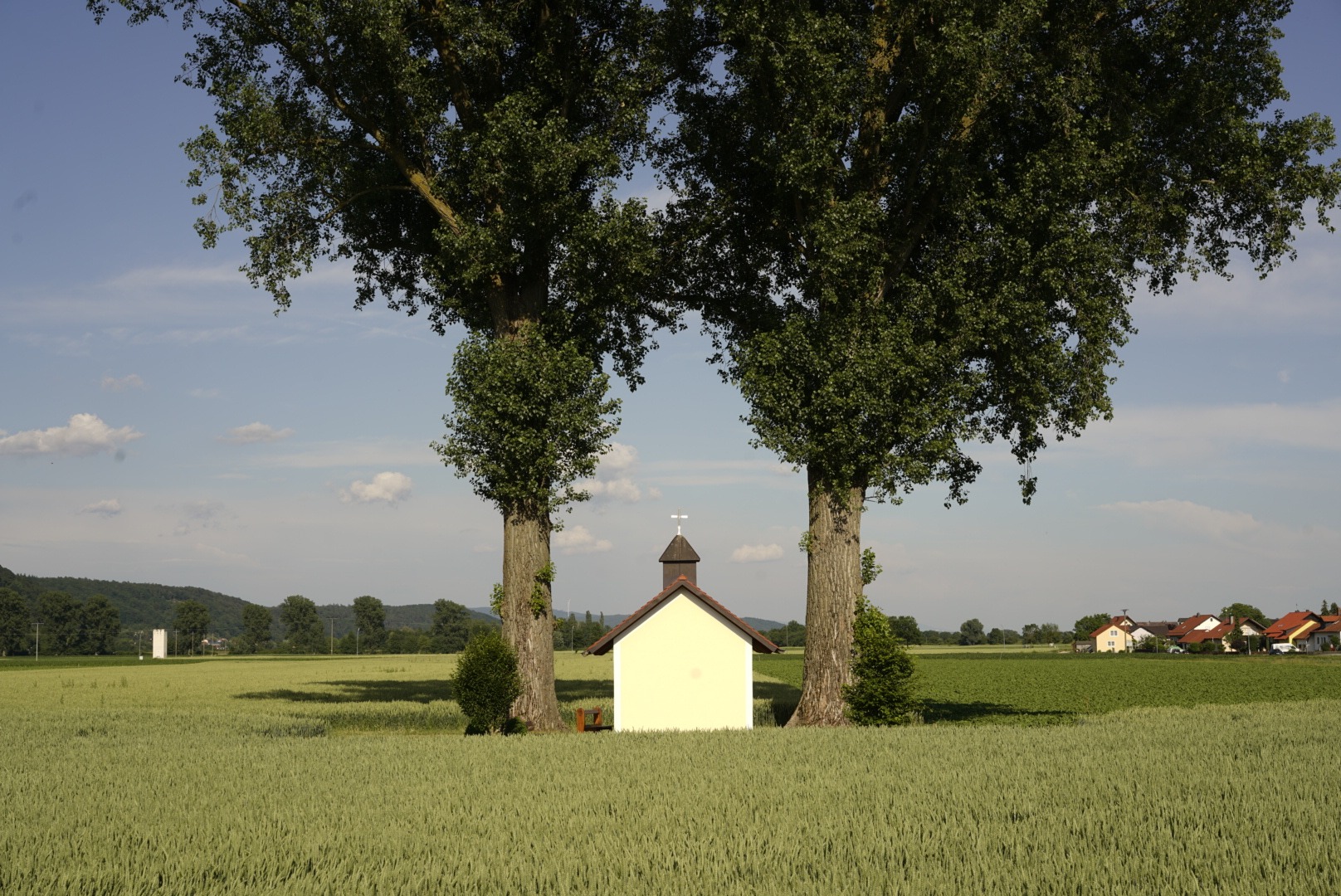
In June 2019 I cycled her length, moving slowly enough to glimpse just some of the subtleties of her presence and allowing me to immerse myself within the landscape and the various cultures that lie alongside, rather than passing through as with most forms of transport. The immersion was intentionally open-ended, with no fixed concept, no narrative imposed in advance. I wanted the work to emerge from encounter; from what the river revealed about our relationship with the environments we inhabit and depend upon.
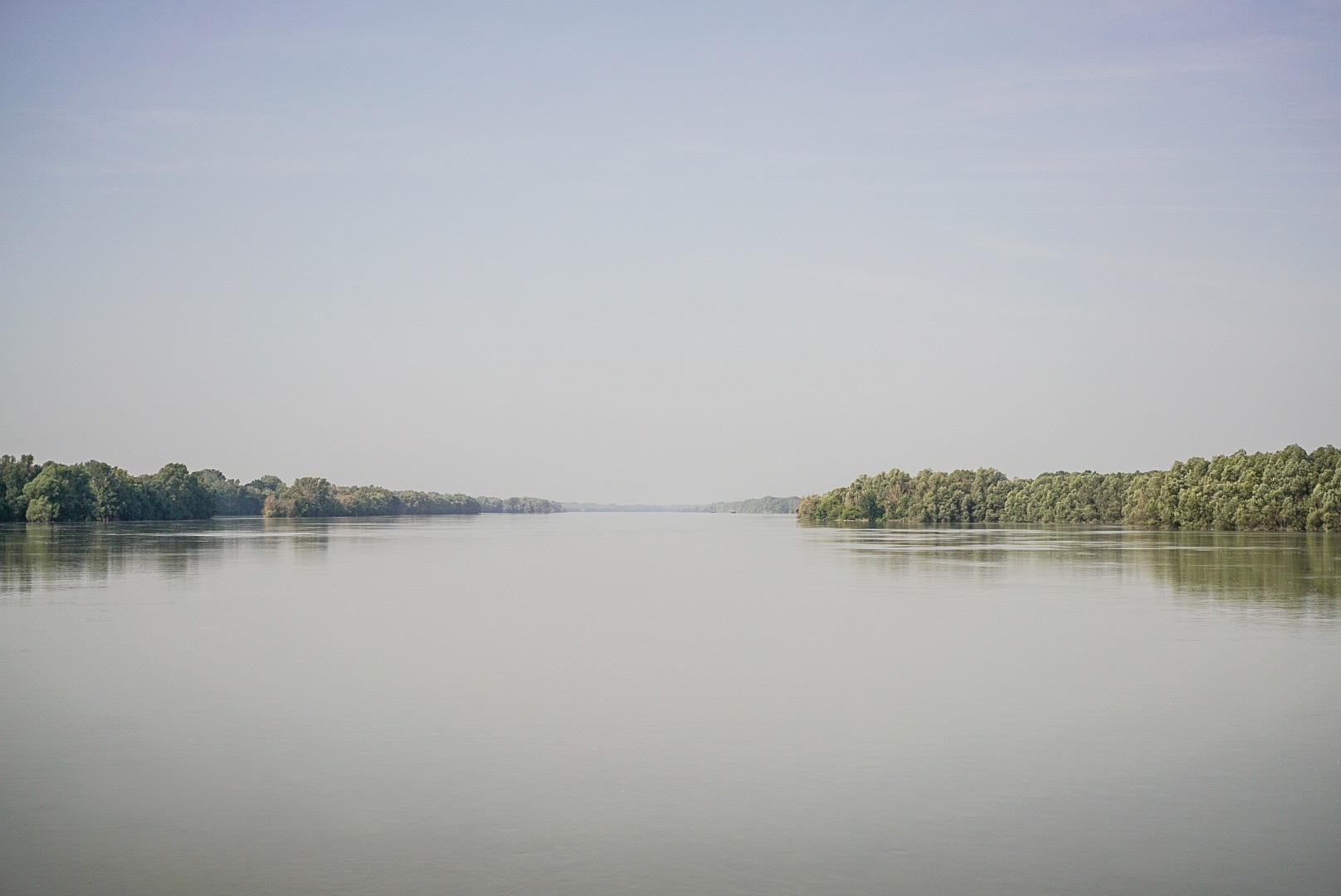
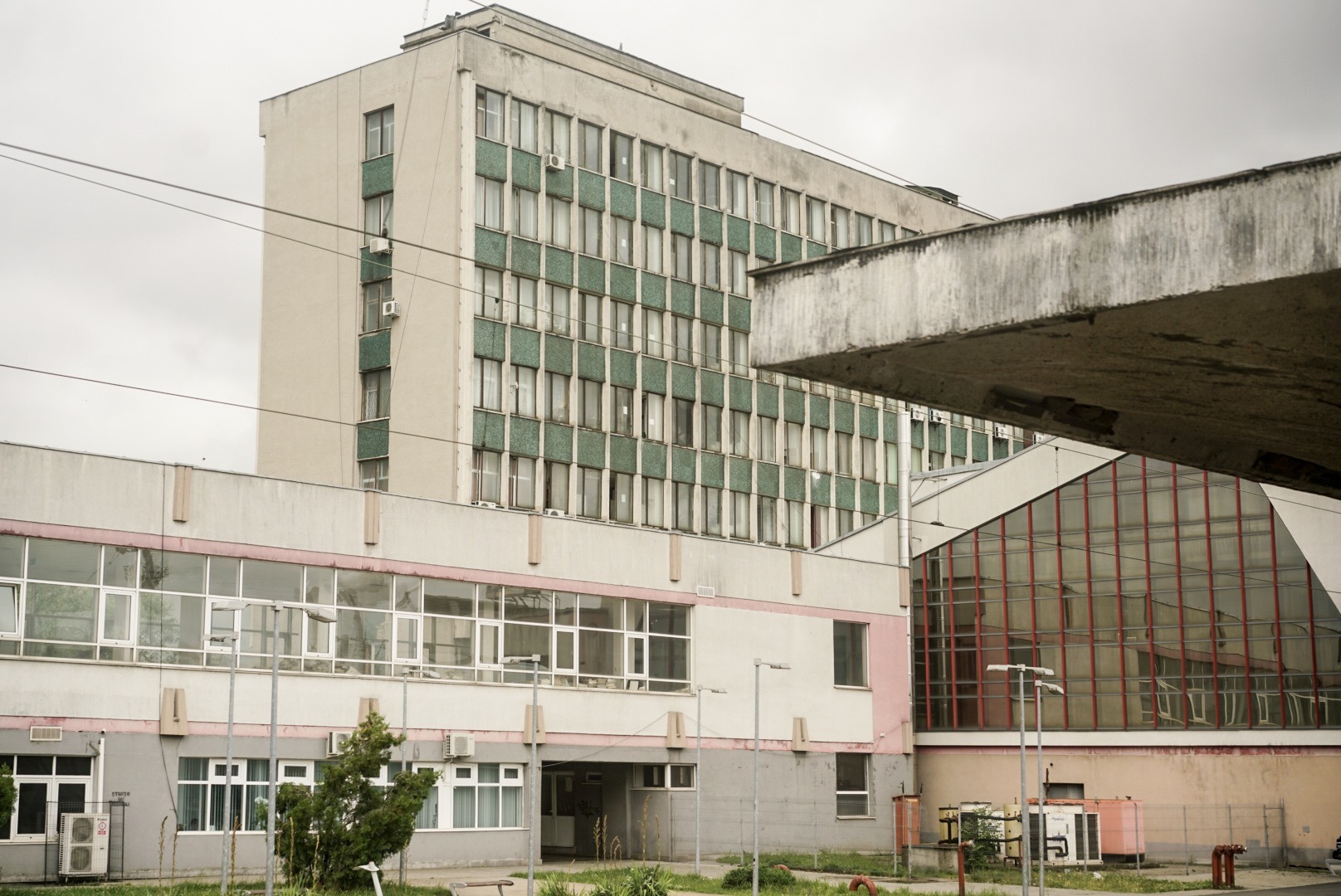
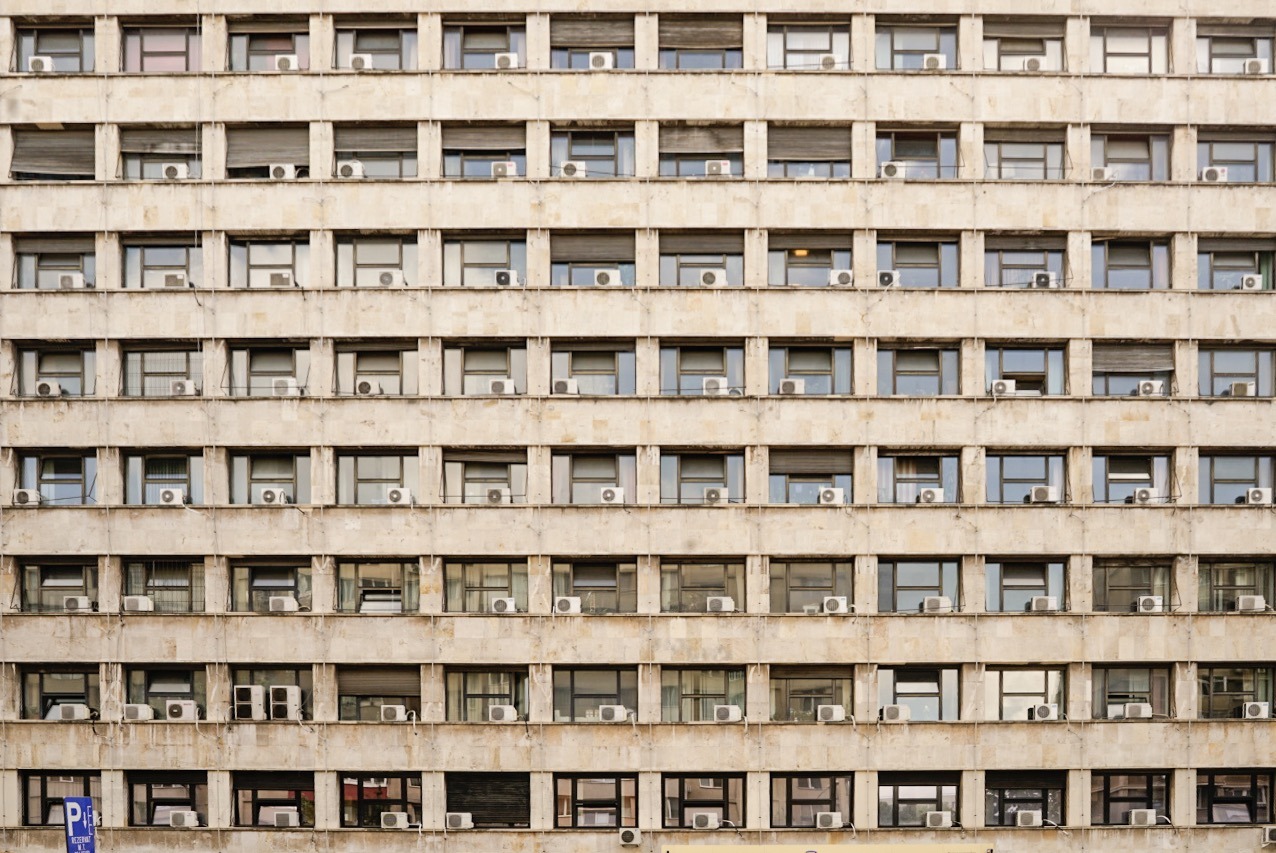
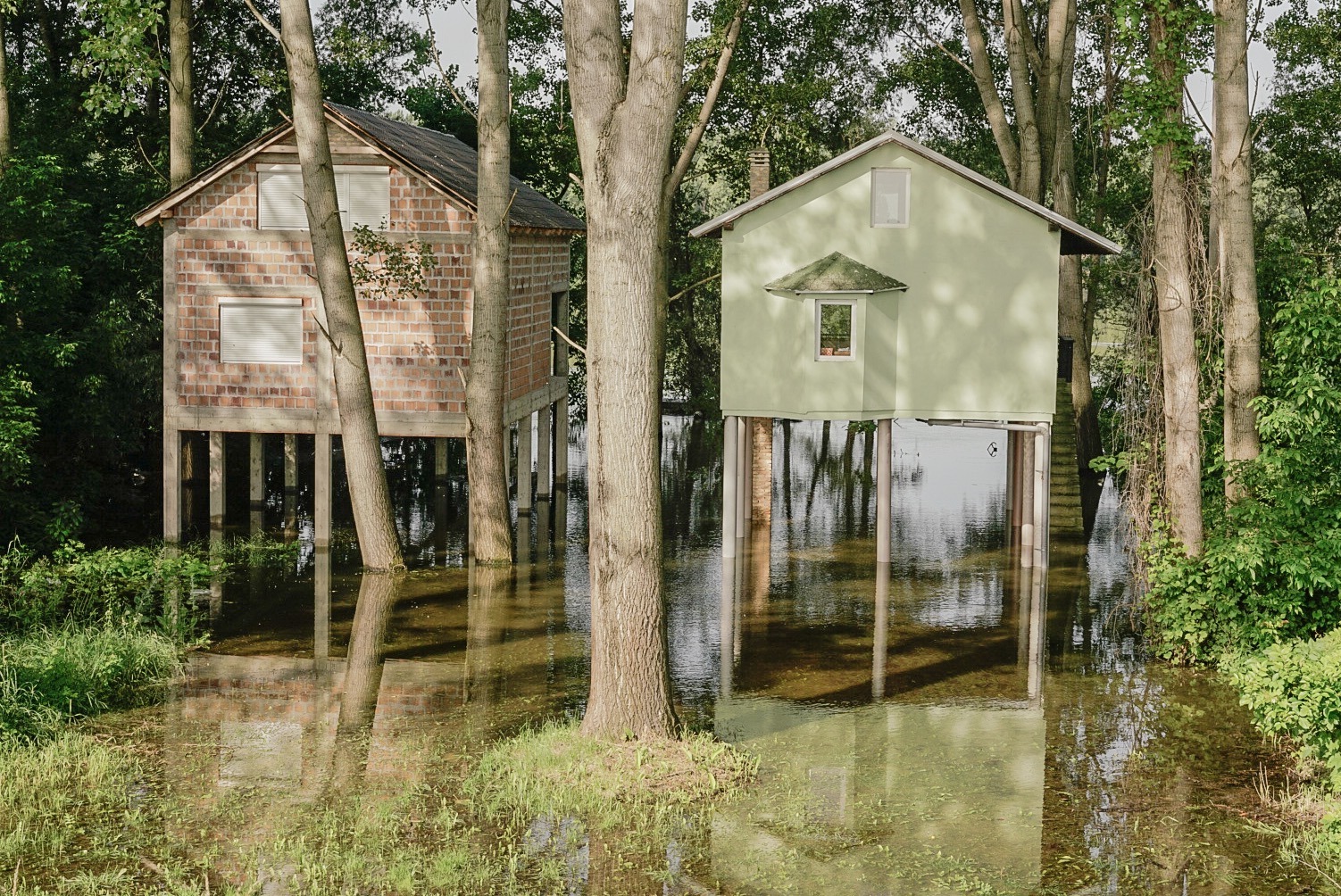
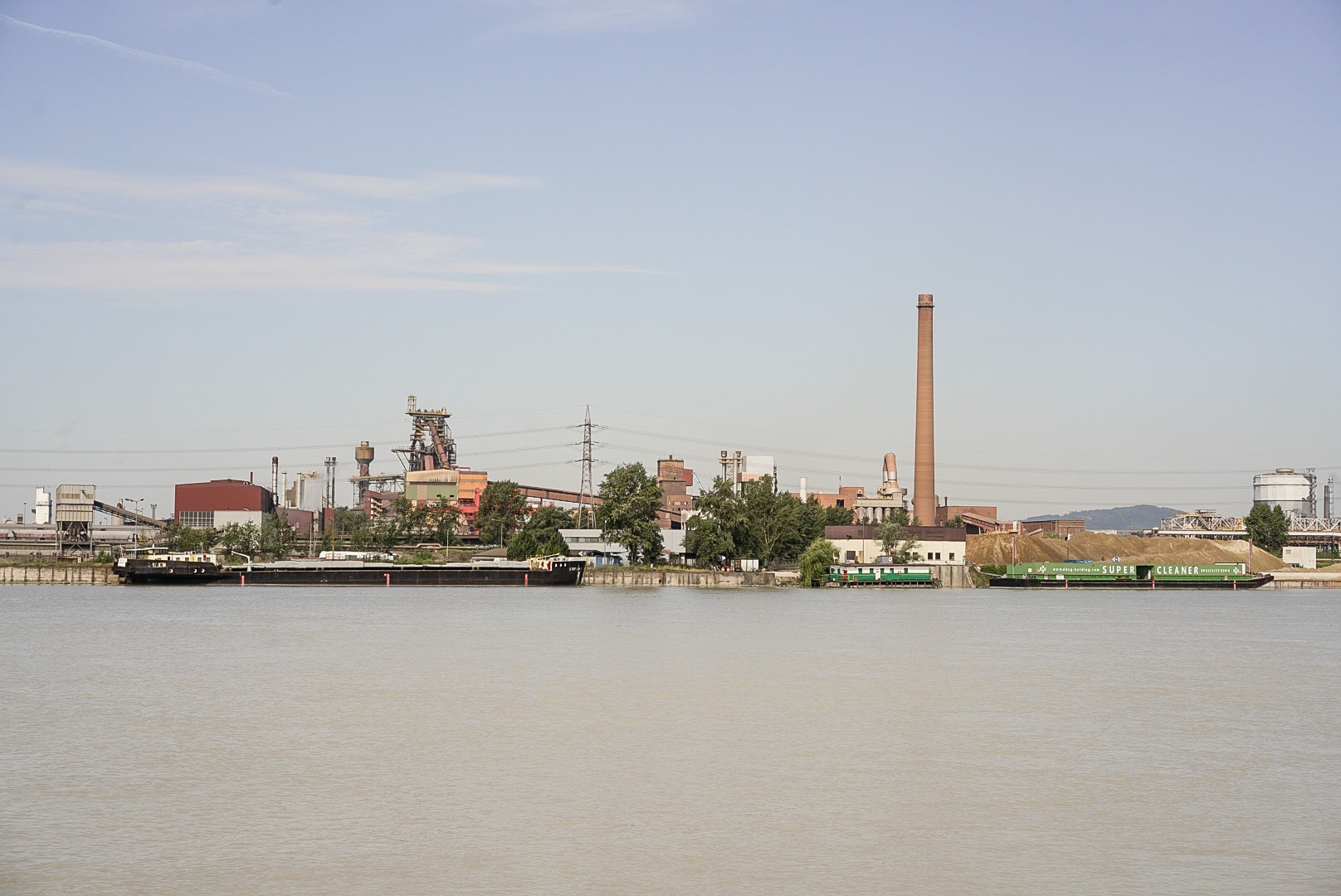
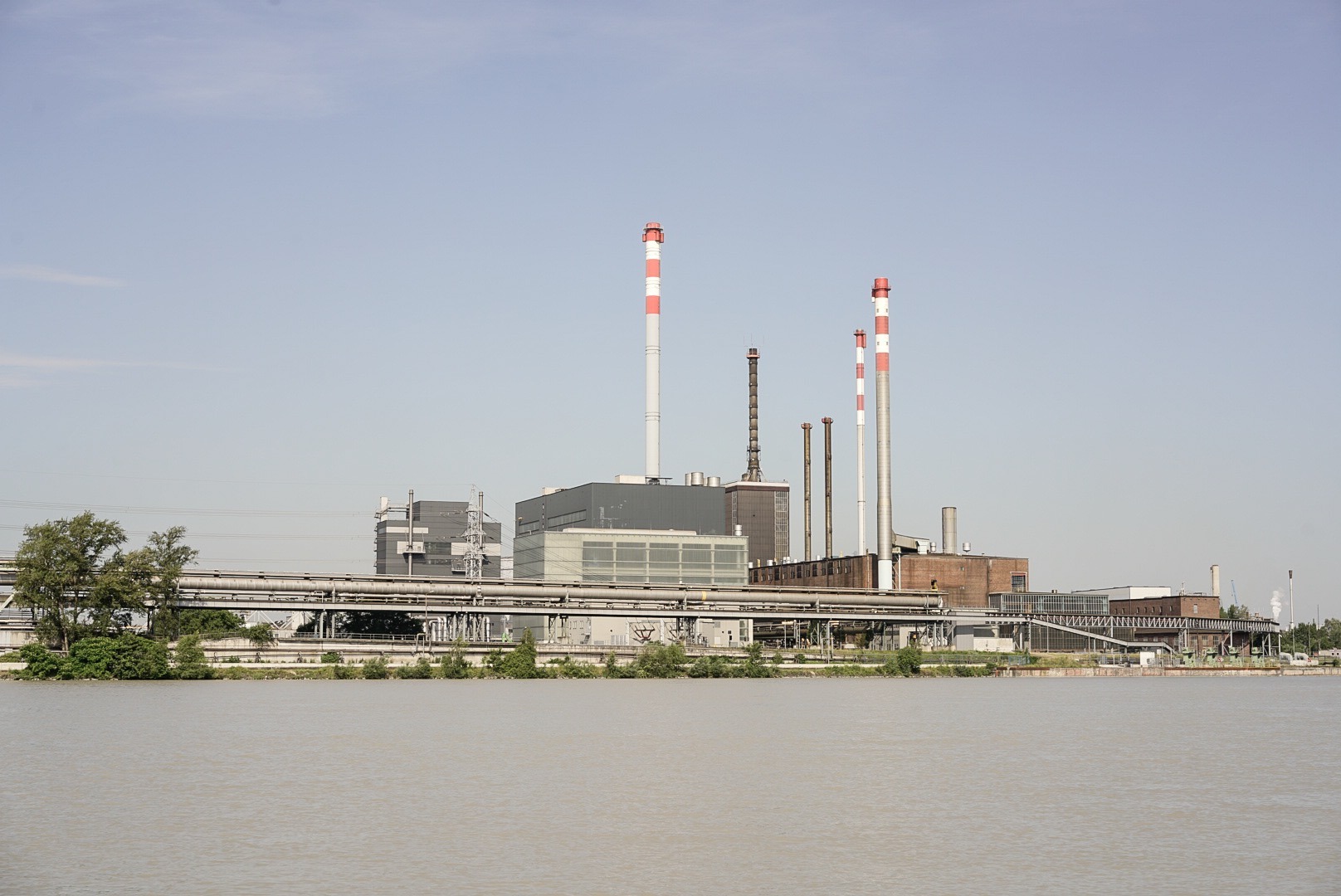
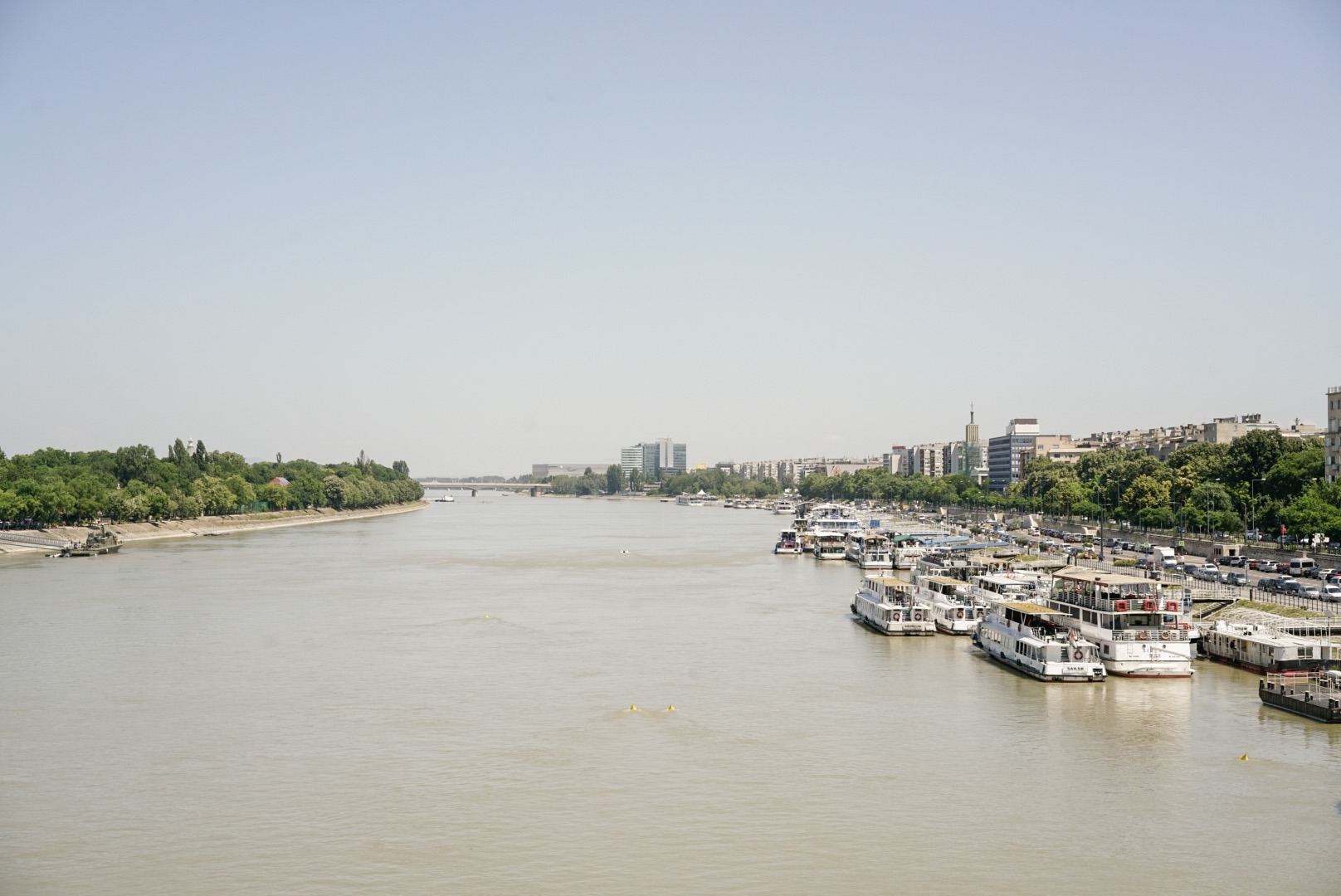
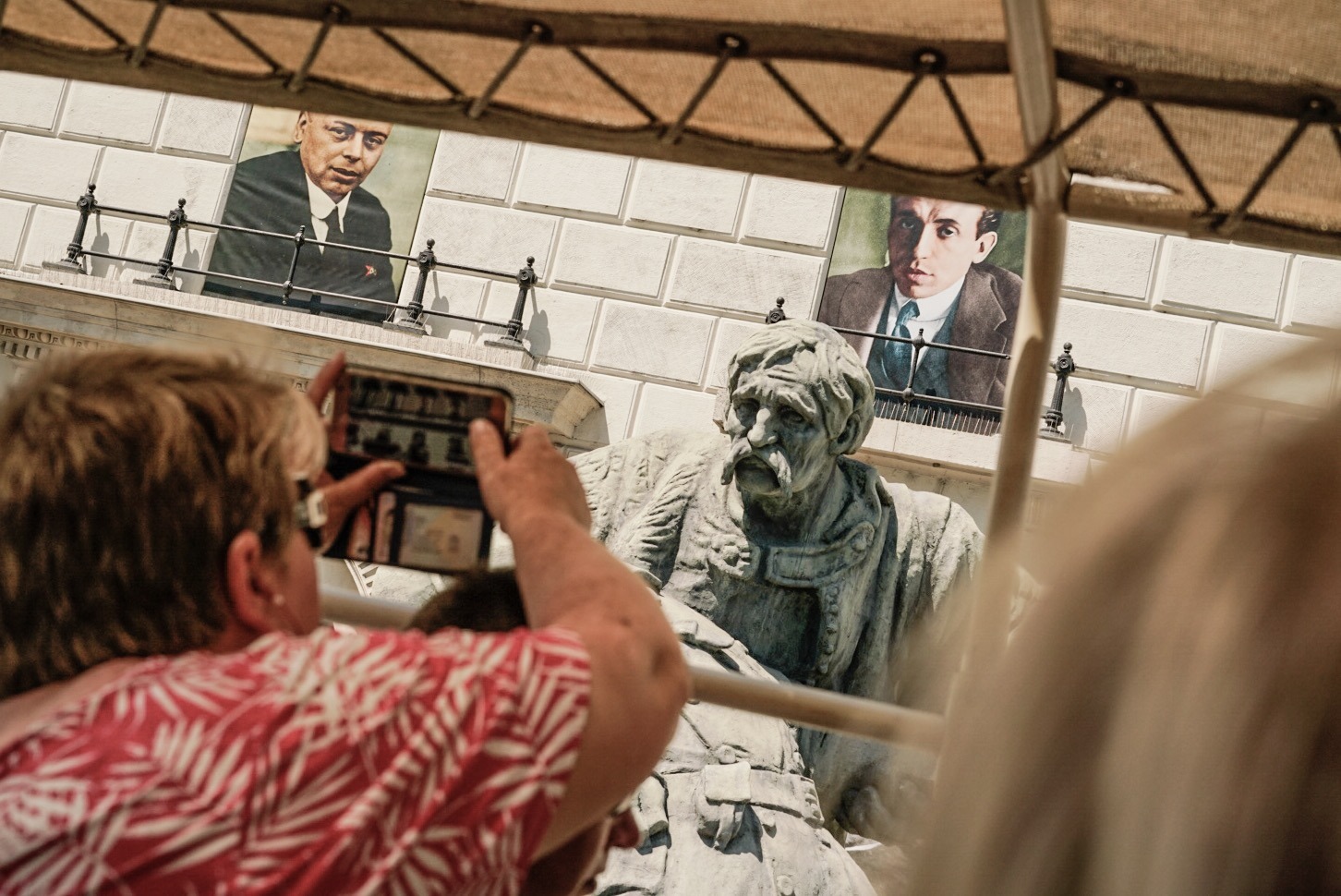
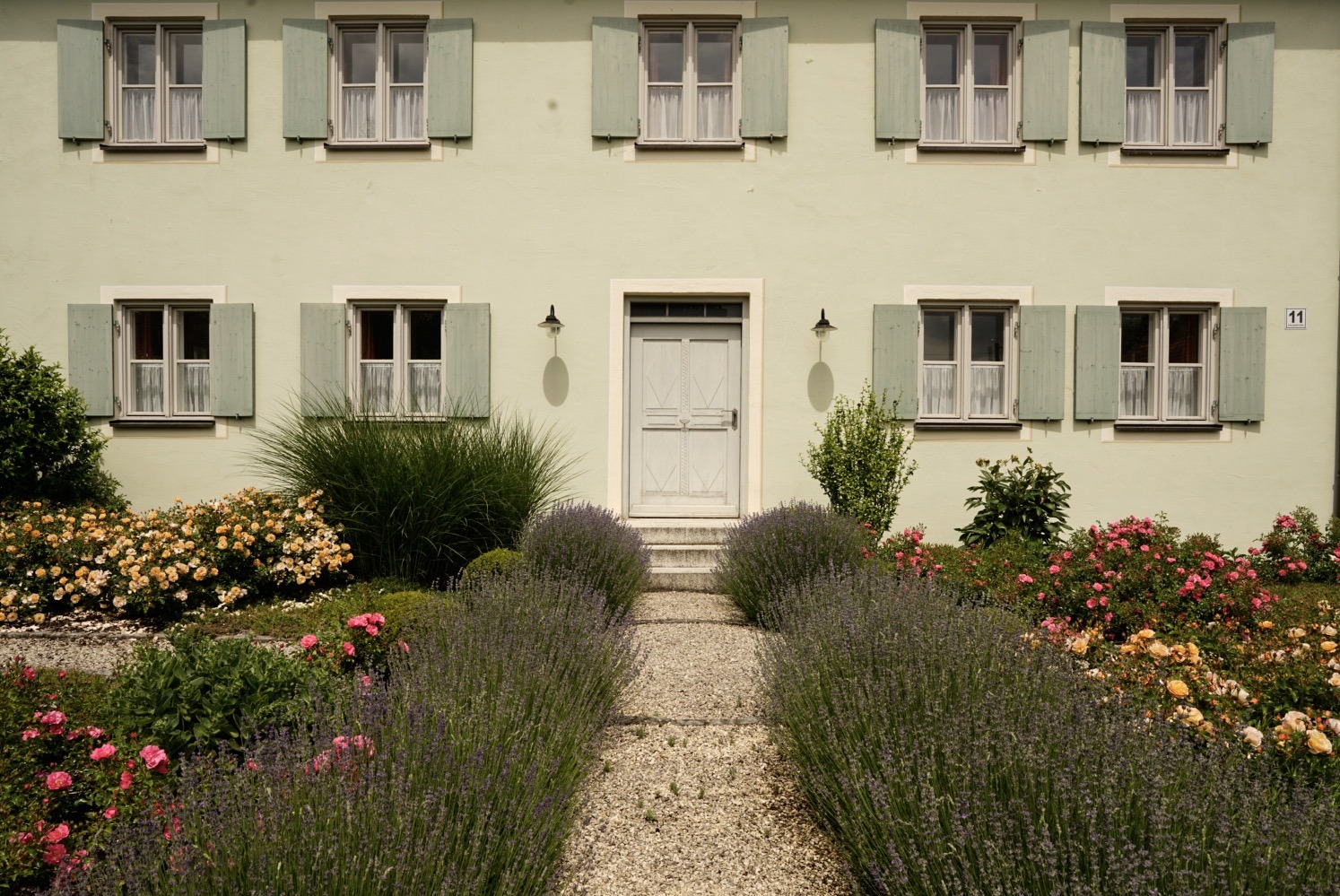
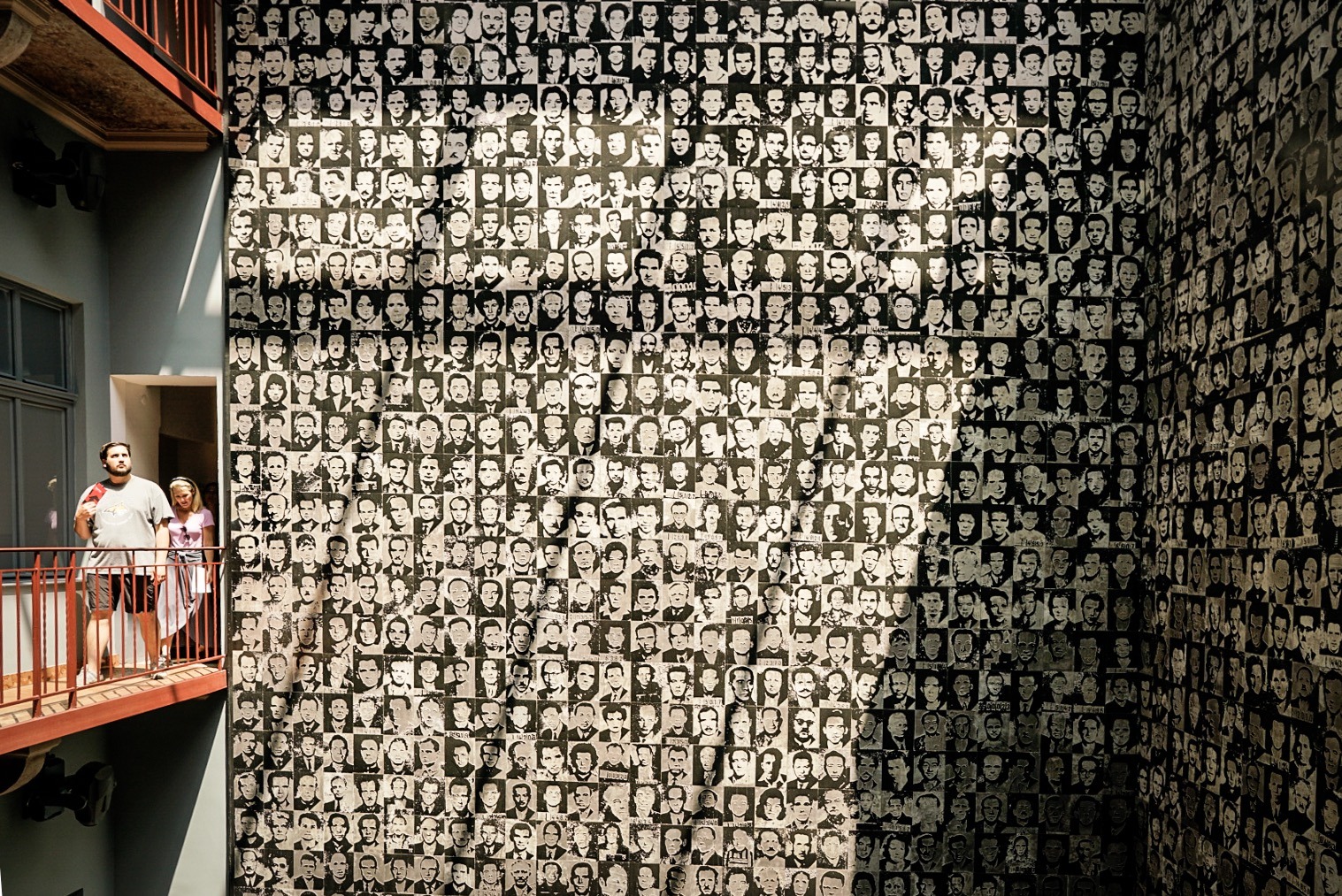
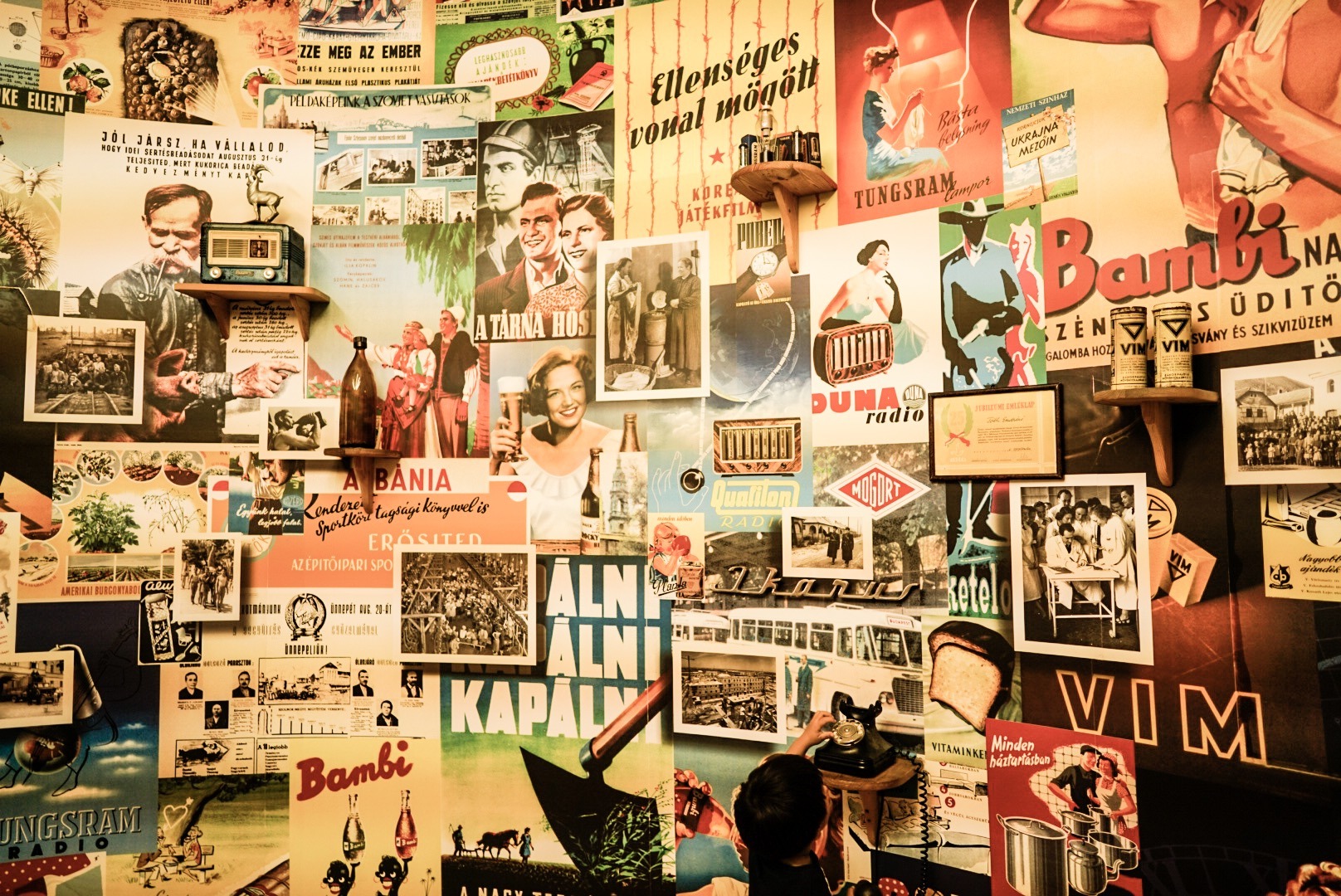
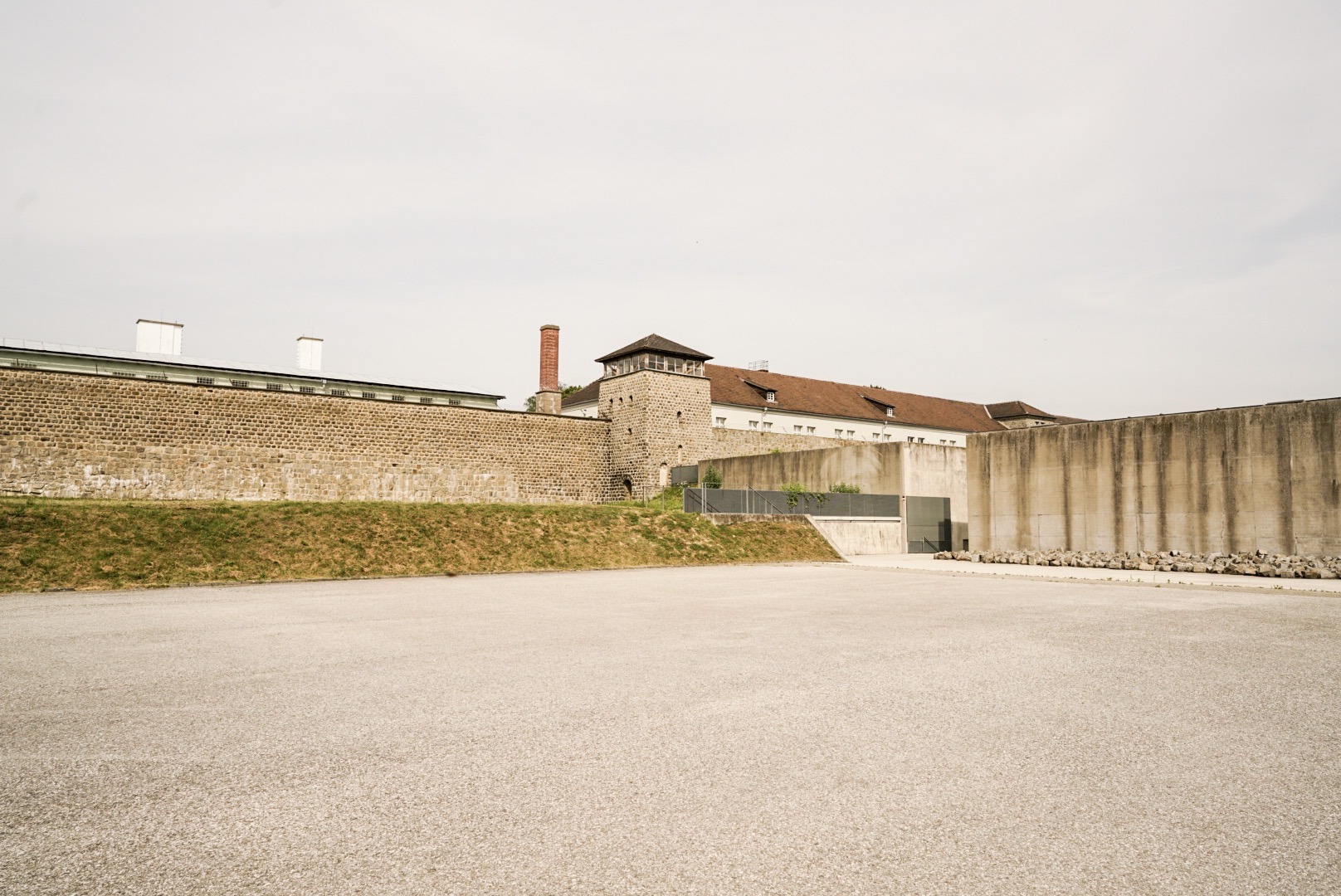
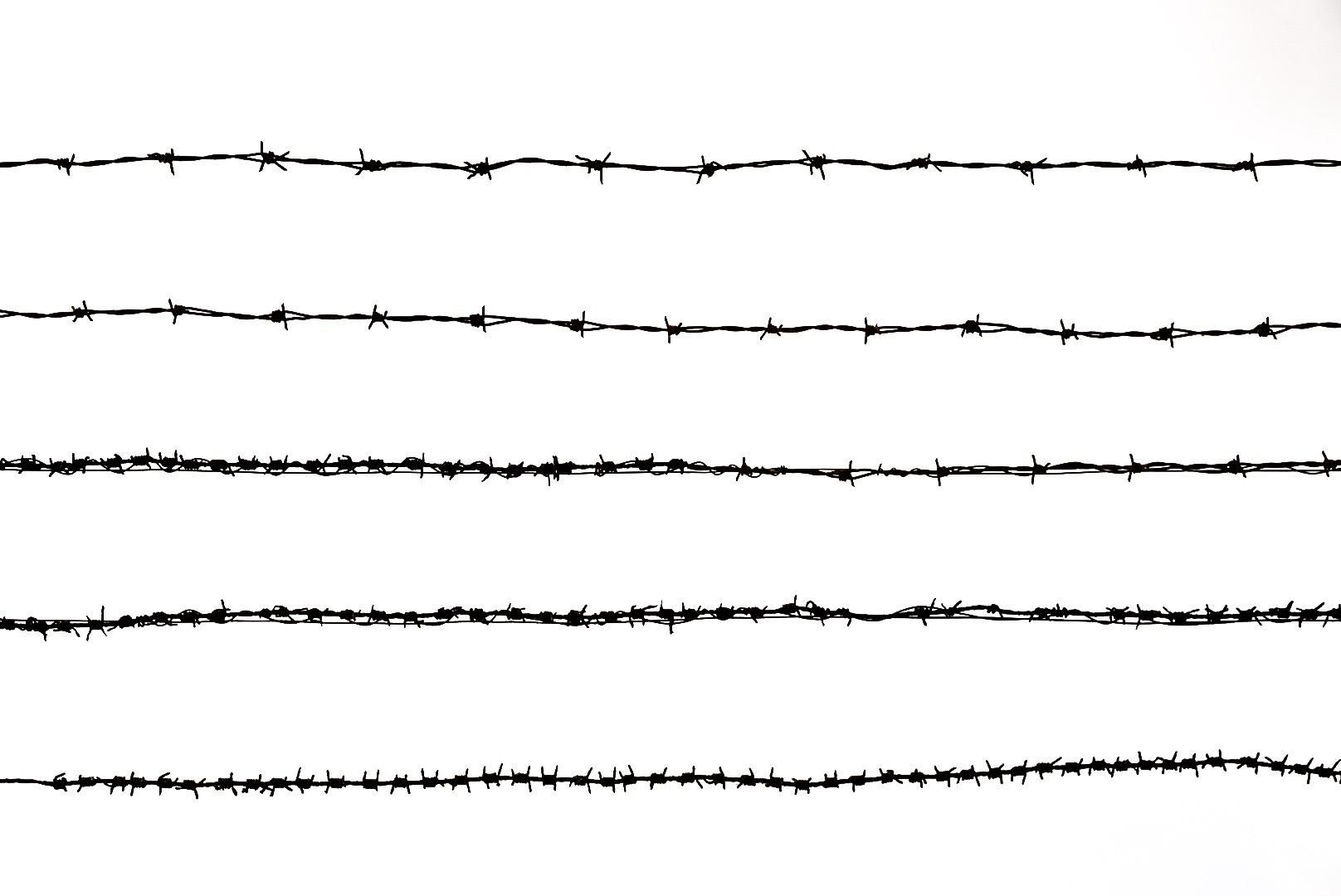
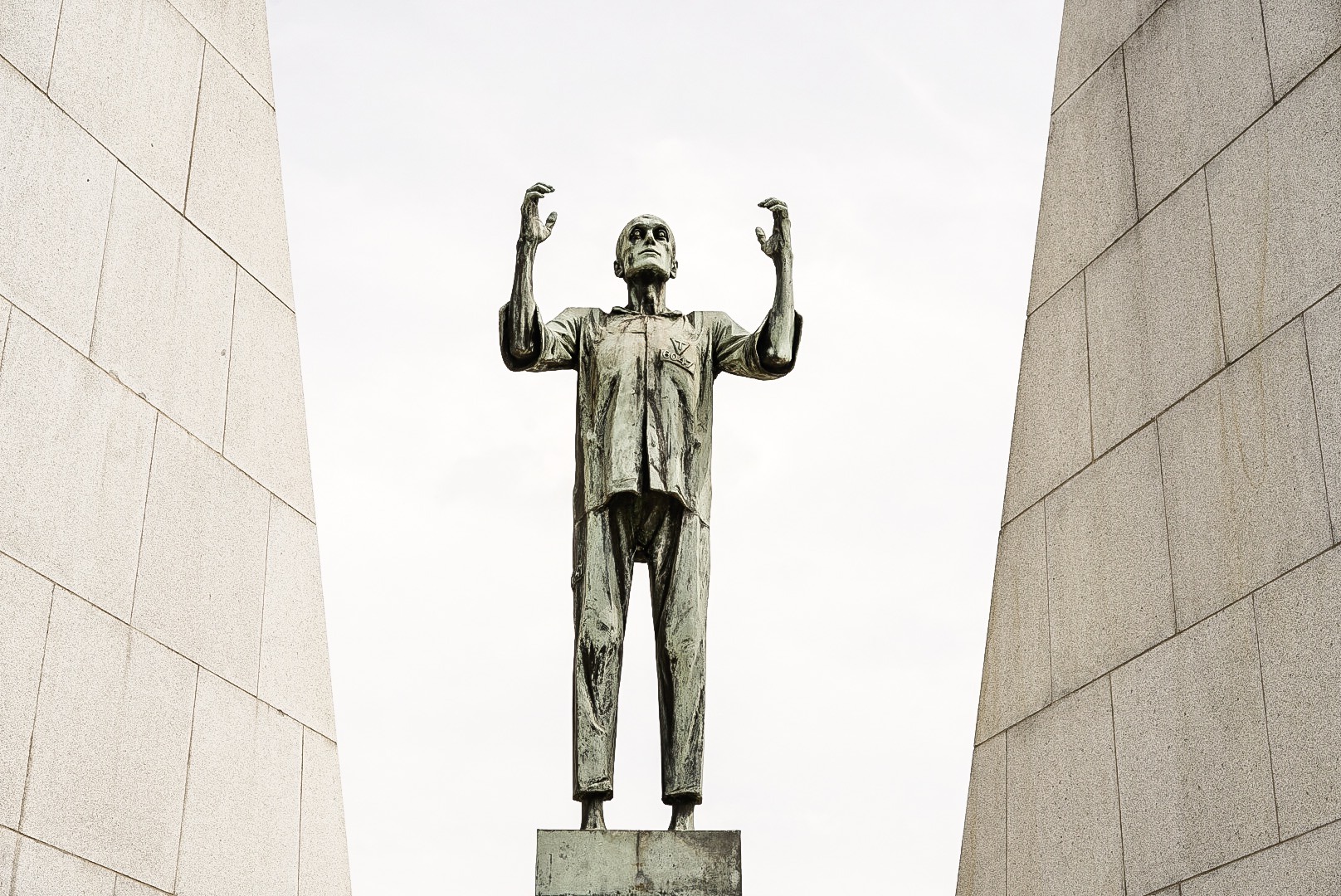
Along her course, moments of apparent harmony sit uneasily beside signs of deep intervention. In some places the Danube is carefully tended, folded into everyday life with a kind of mutual respect. Elsewhere she is constrained, redirected, engineered—treated less as a living system and more as an infrastructure problem to be solved. This uneasy balance mirrors the histories of the nations that line her banks: cooperation and conflict braided together, rarely leaving the river untouched. These records of our past behaviours lie as stark reminders of places we should never seek to return to again, yet travelling her course as the UK contemplates Brexit I am left wondering of an occasion where putting up walls and barriers has resulted in greater harmony between those living on either side.
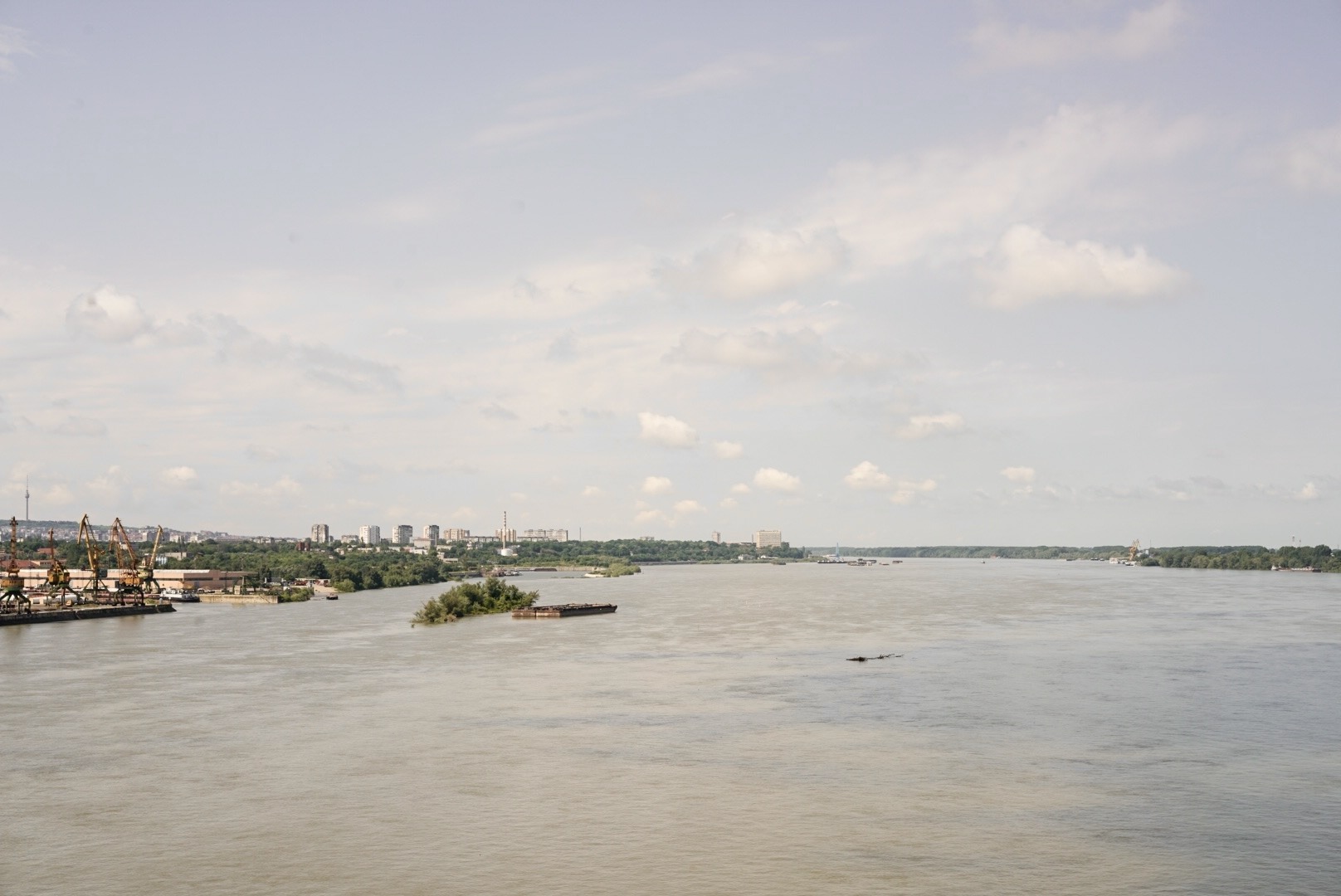
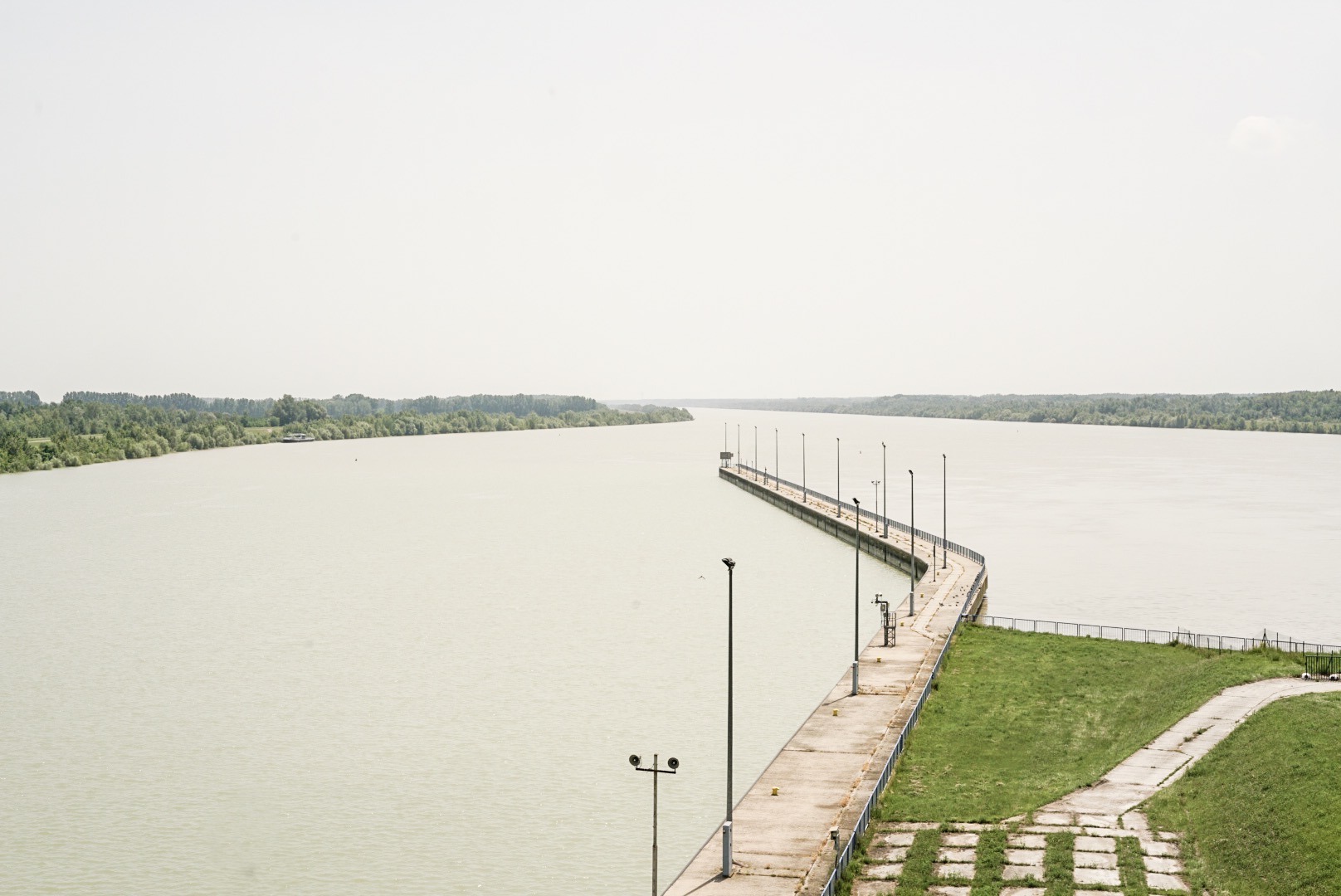
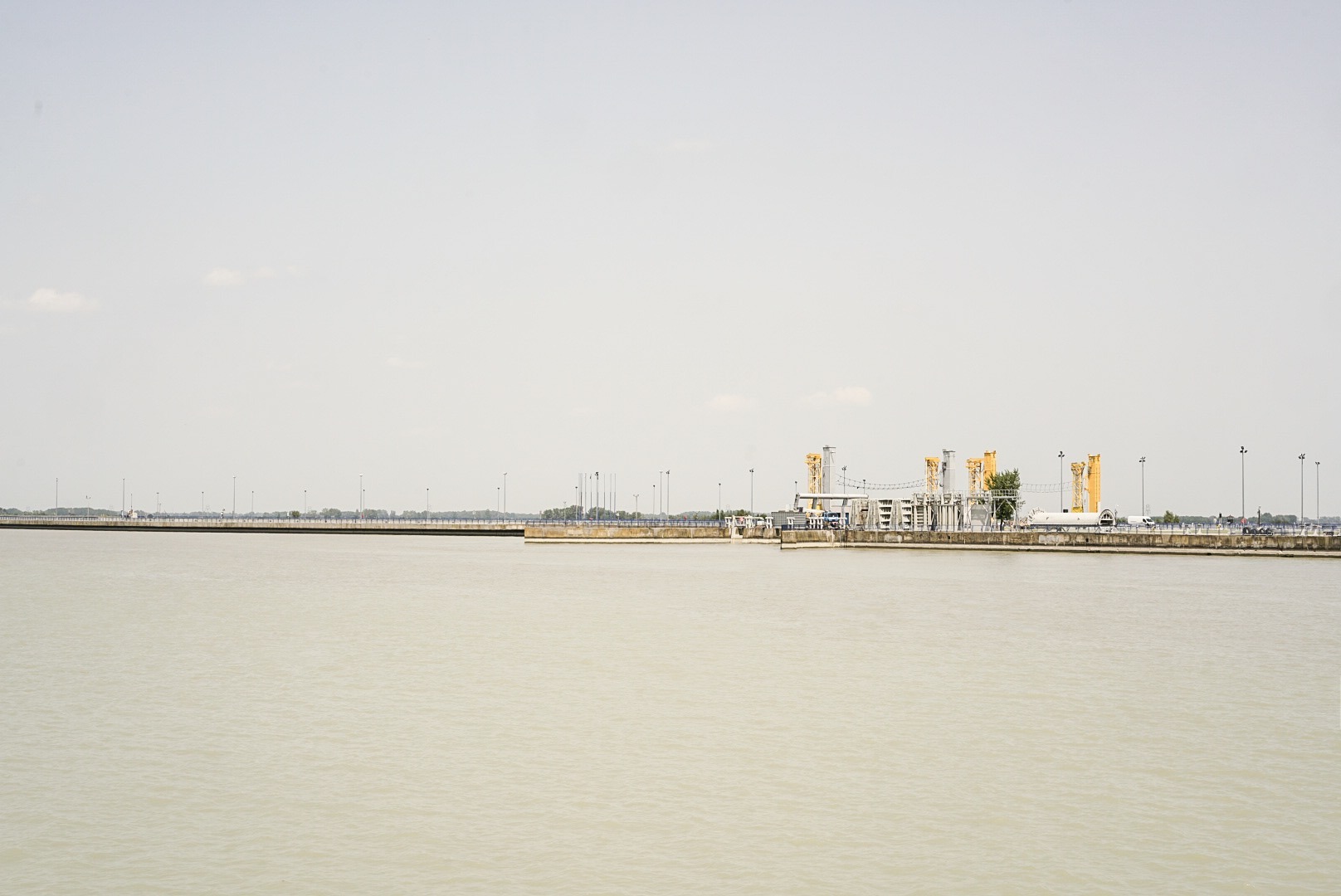
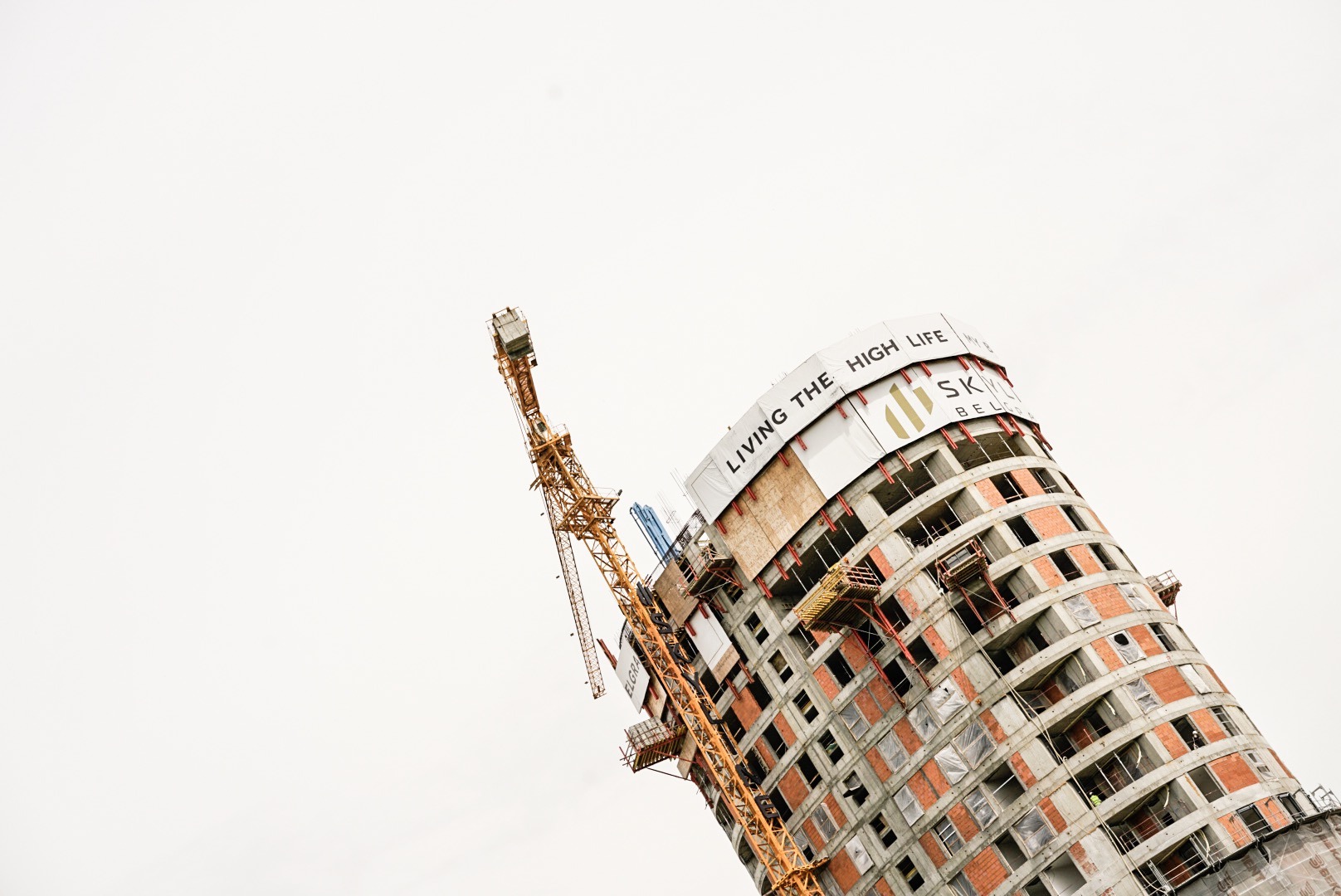
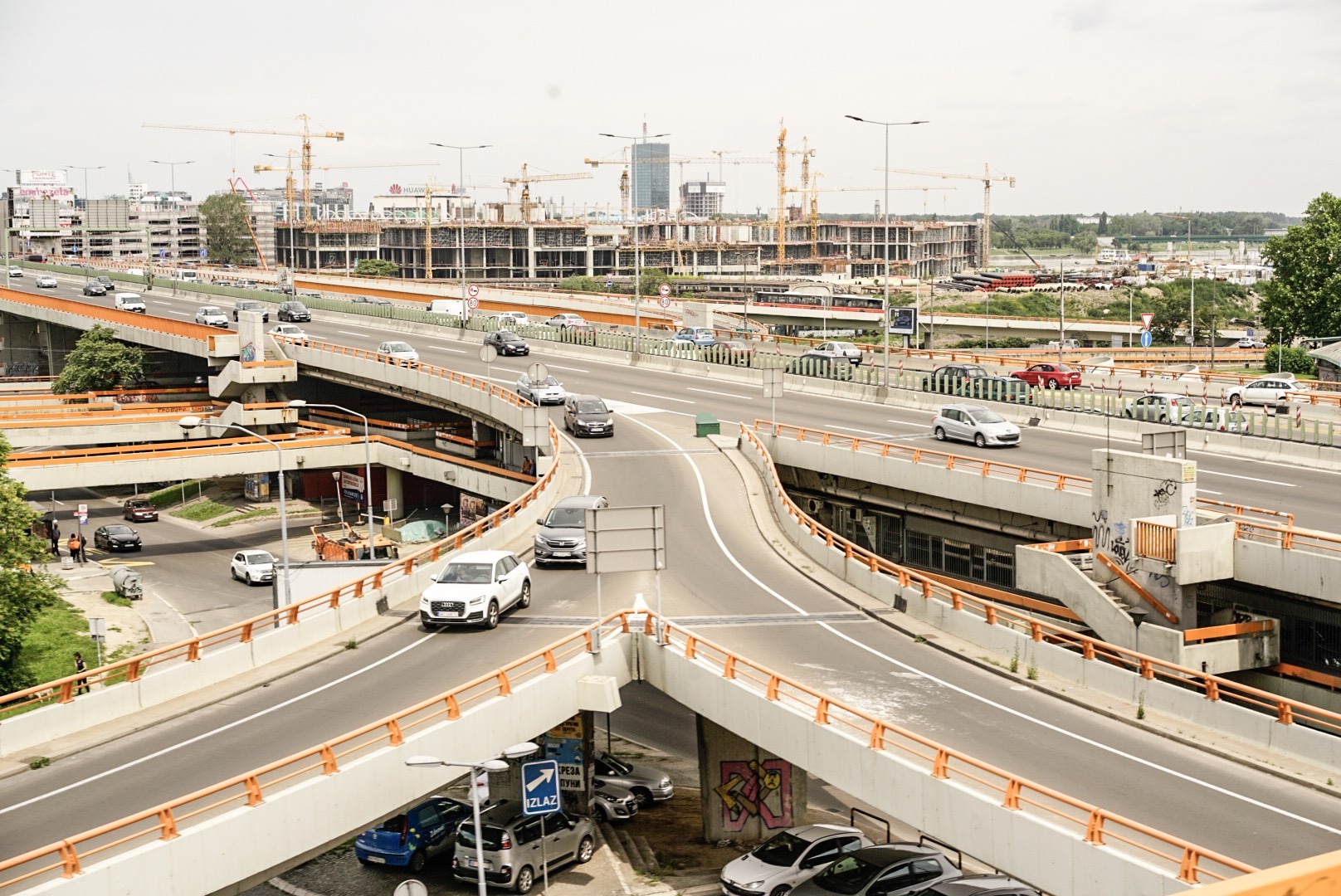
Her beauty and power are undeniable, yet so too is the strain she carries. At her confluence source, a bypass is being built directly over her beginnings. Downstream, vast sections are dammed (over 60 in total, and in excess of 700 if you include her tributaries) in the name of energy security and flood control, a response to a climate becoming more volatile through our own making. Again and again I encountered evidence of our appetite to build, extract, and manage—while the consequences of those actions accumulate quietly, relentlessly, and without apparent thought. What struck me most was not any single intervention, but their continuity. There was little to suggest a slowing of intent, or pause for reflection. Cycling alongside her, I sensed a river under pressure, adapting as she always has, but asked now to absorb ever greater demands.
This work is not an argument against development, nor a call to return the river to some imagined purity. It is more an attempt to listen—to recognise the Danube not just as scenery or resource, but as a living system entangled with our own individual and co-joined histories, economies, and futures. A recognition that distant and historic actions can have remote yet dramatic consequences far away. A reminder that how we choose to relate to her will, in time, shape how she relates back to us.
More on this project can be found HERE.