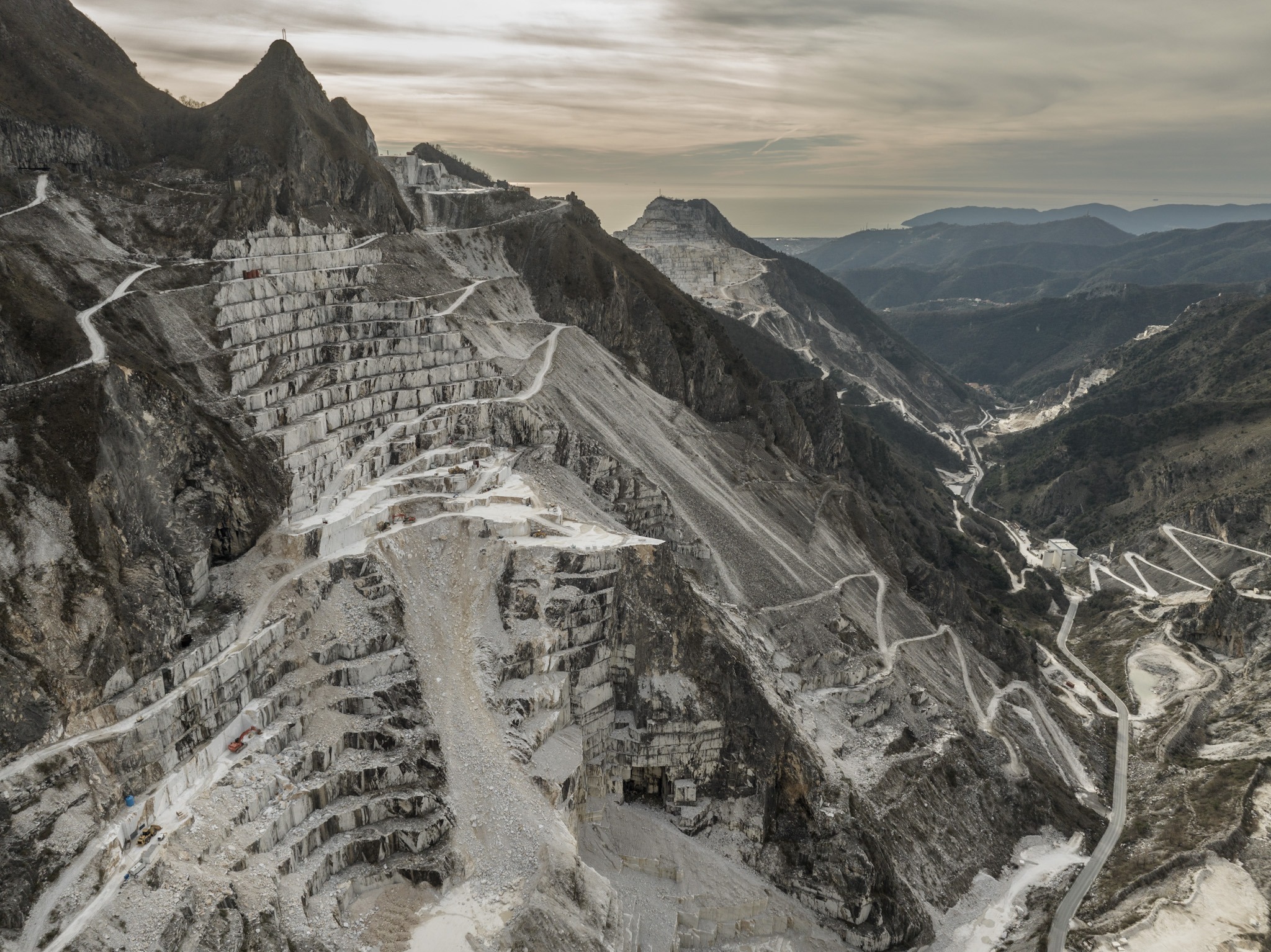
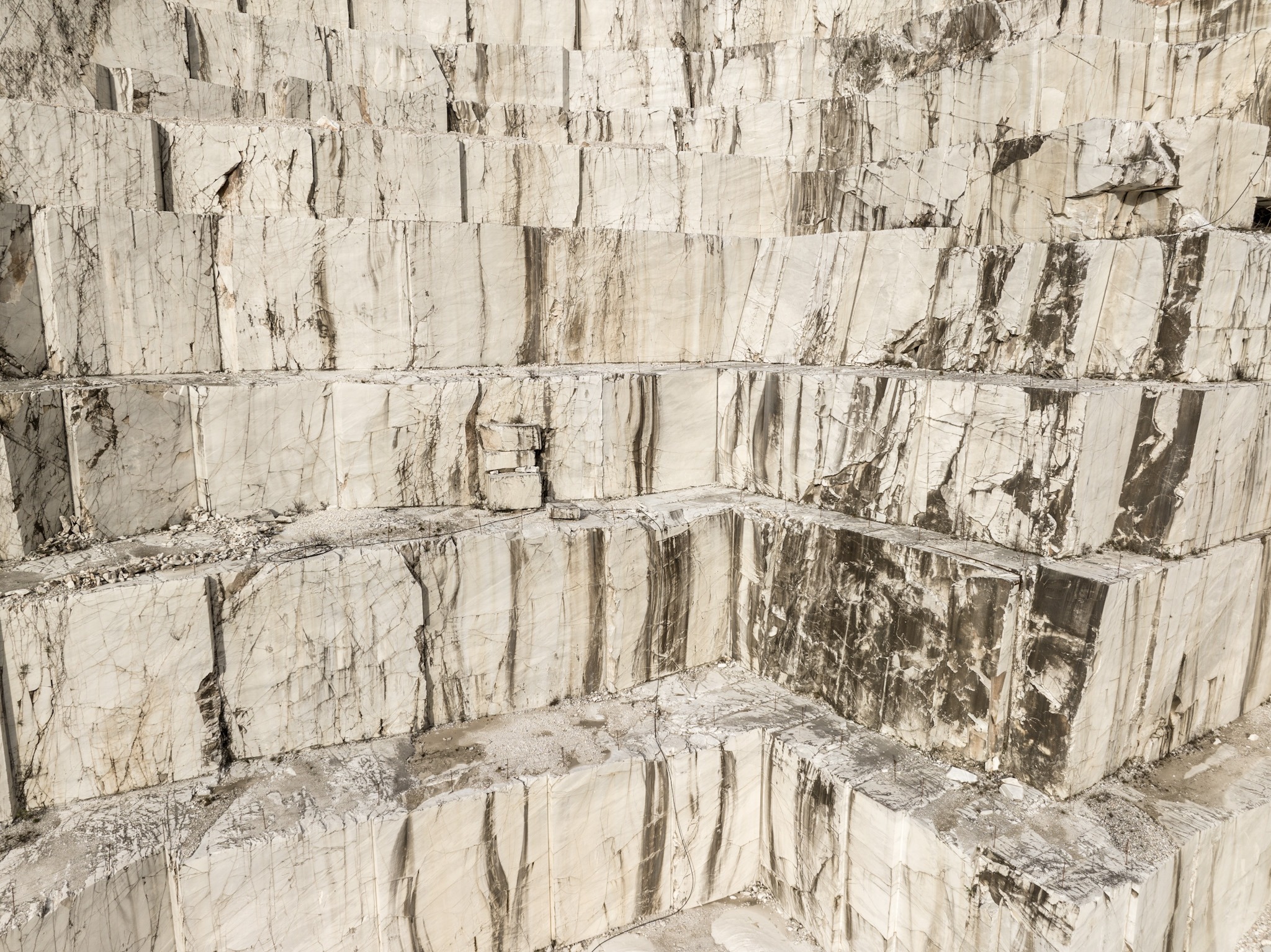
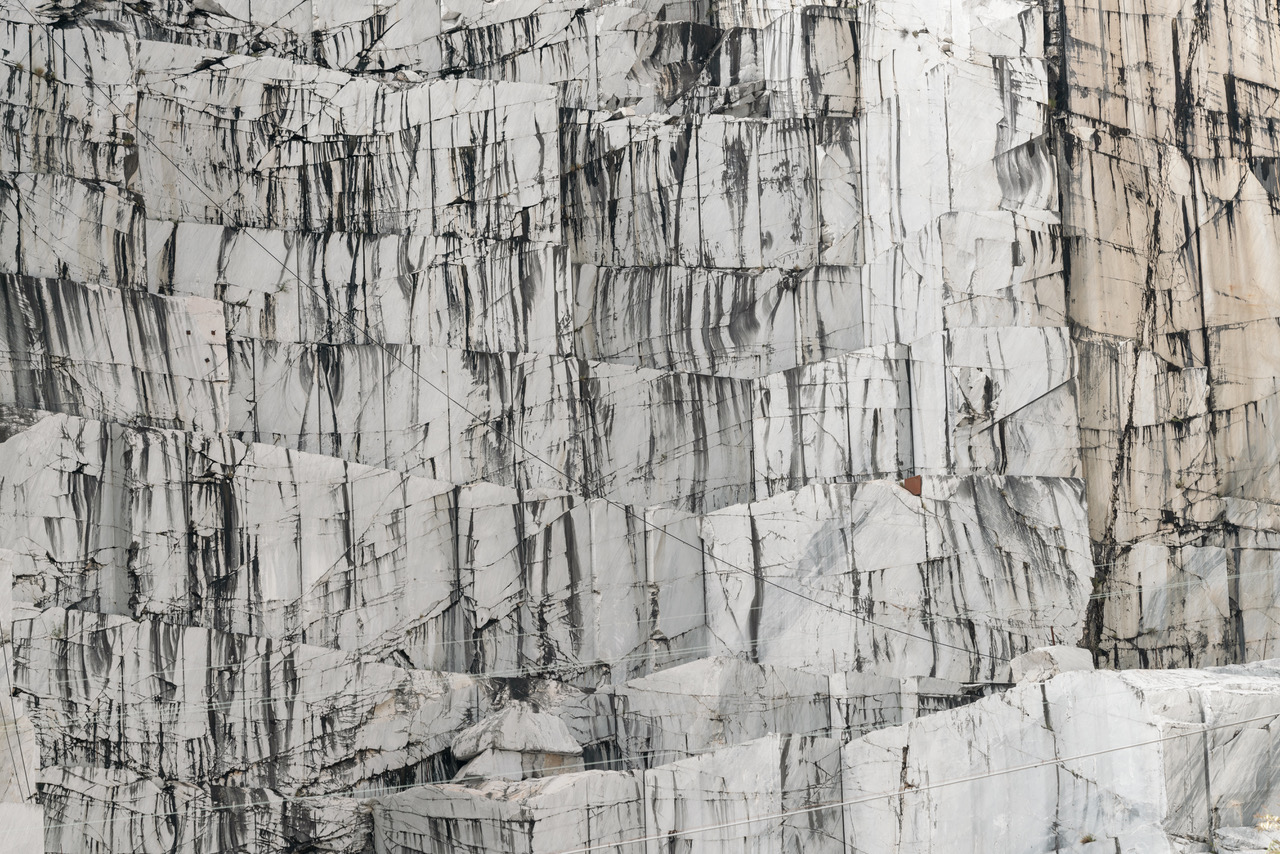
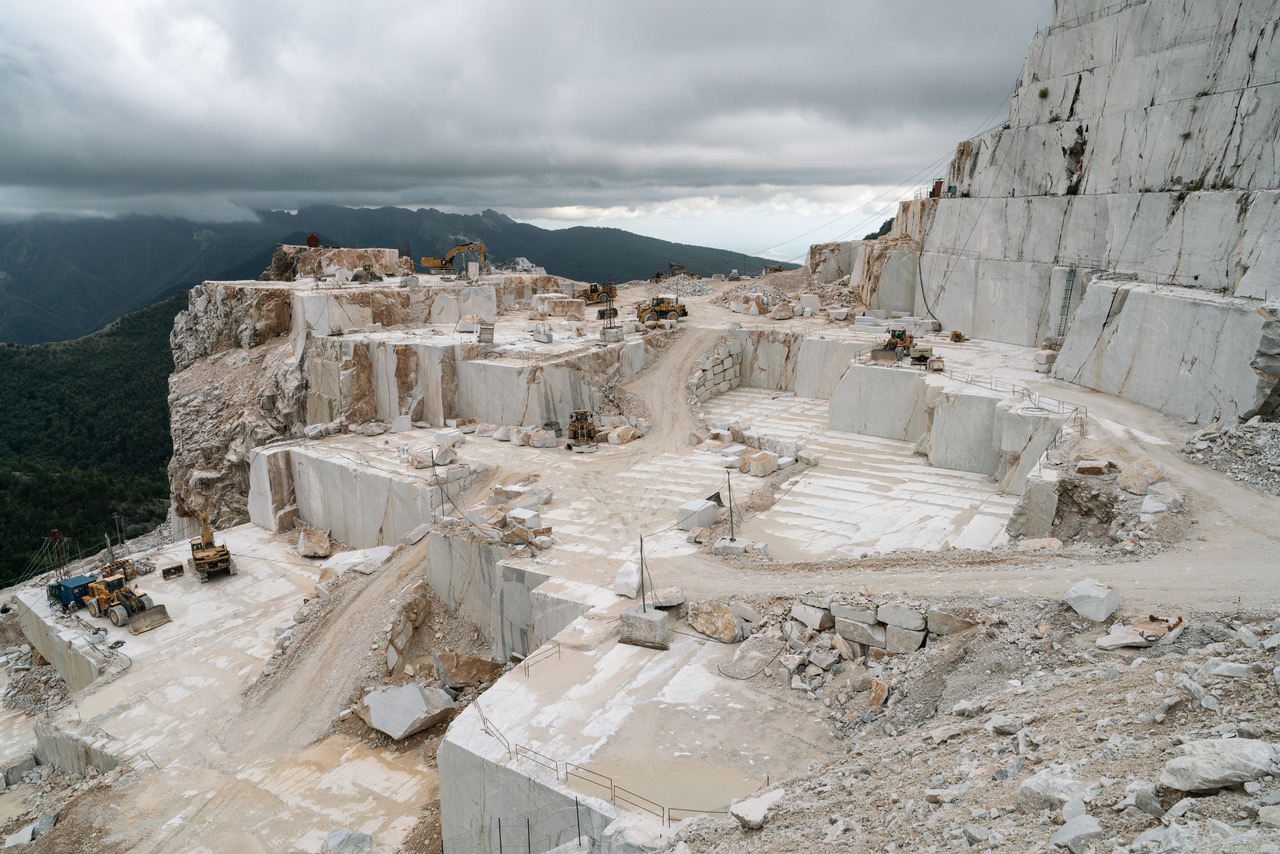
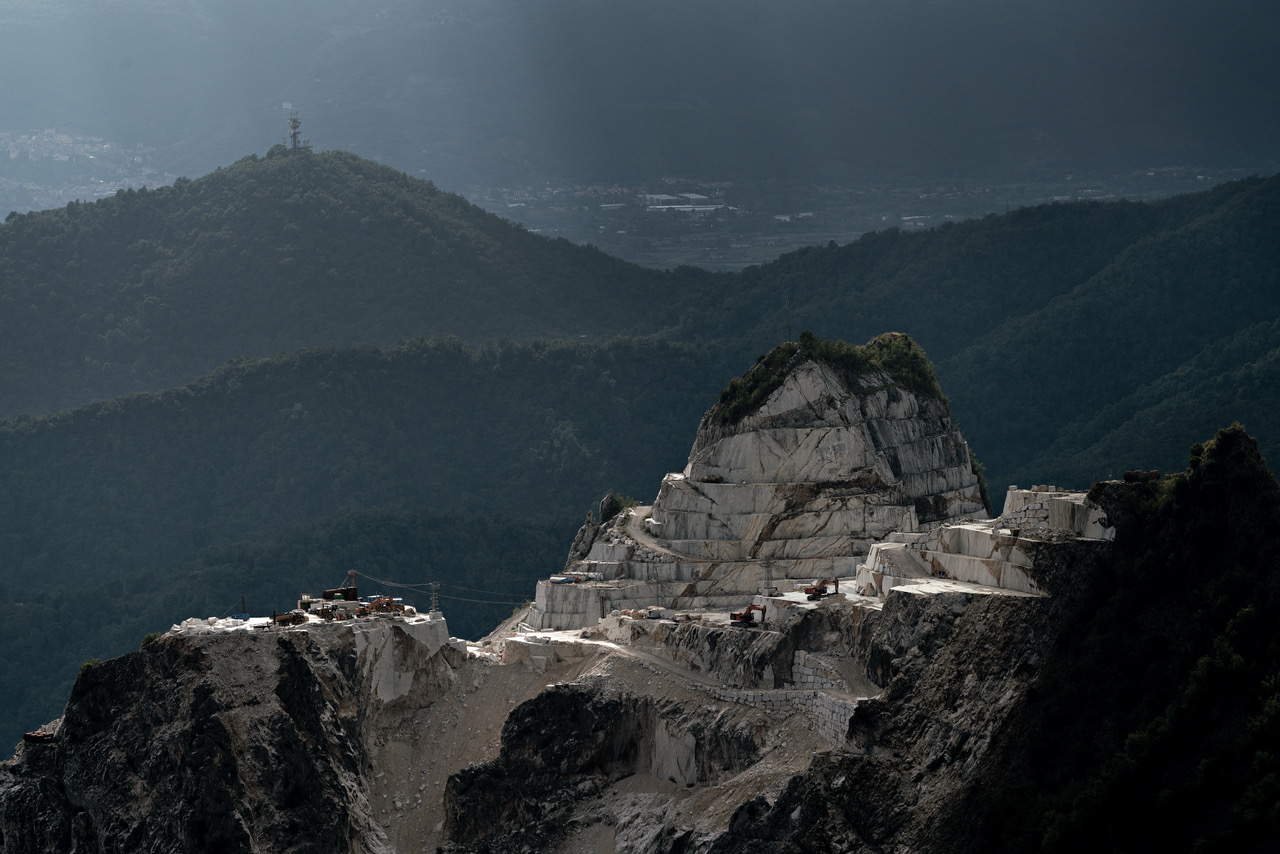
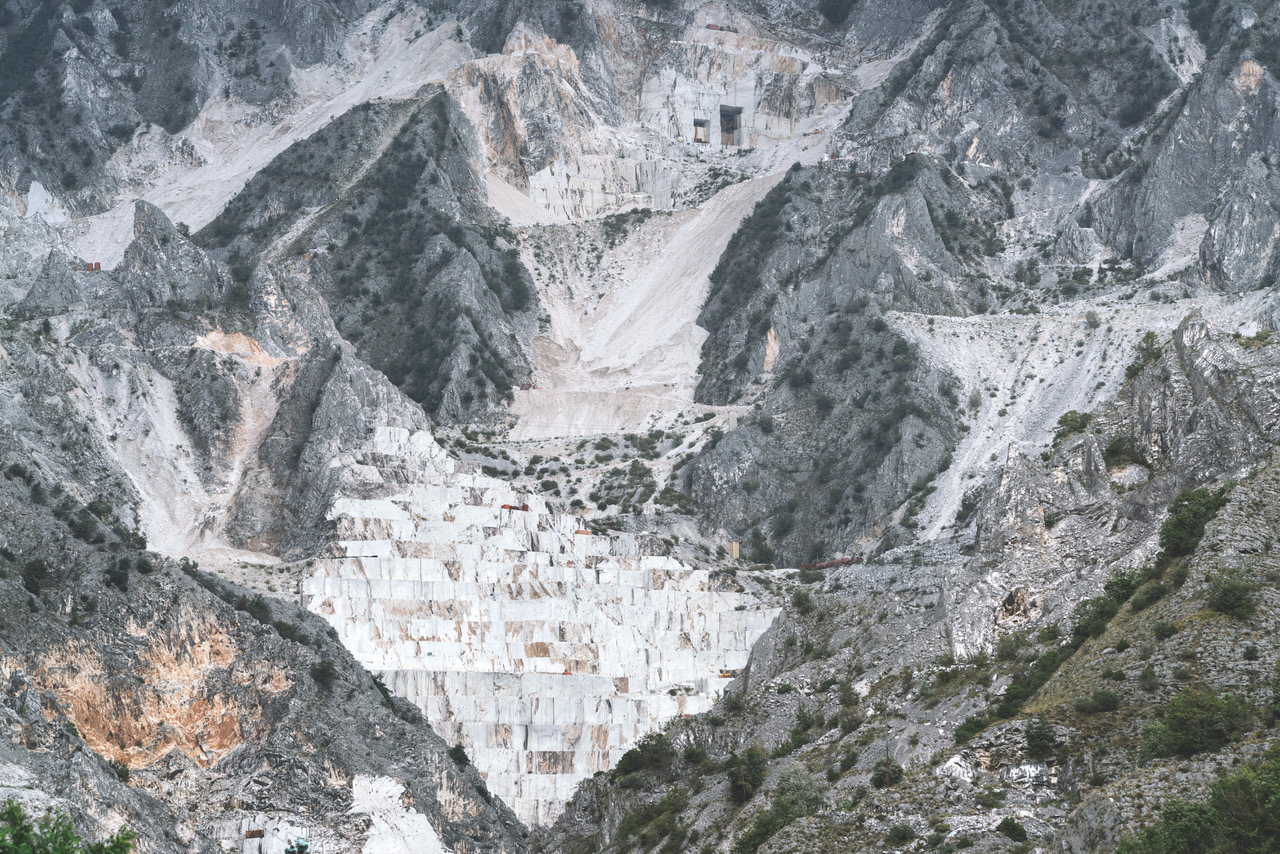
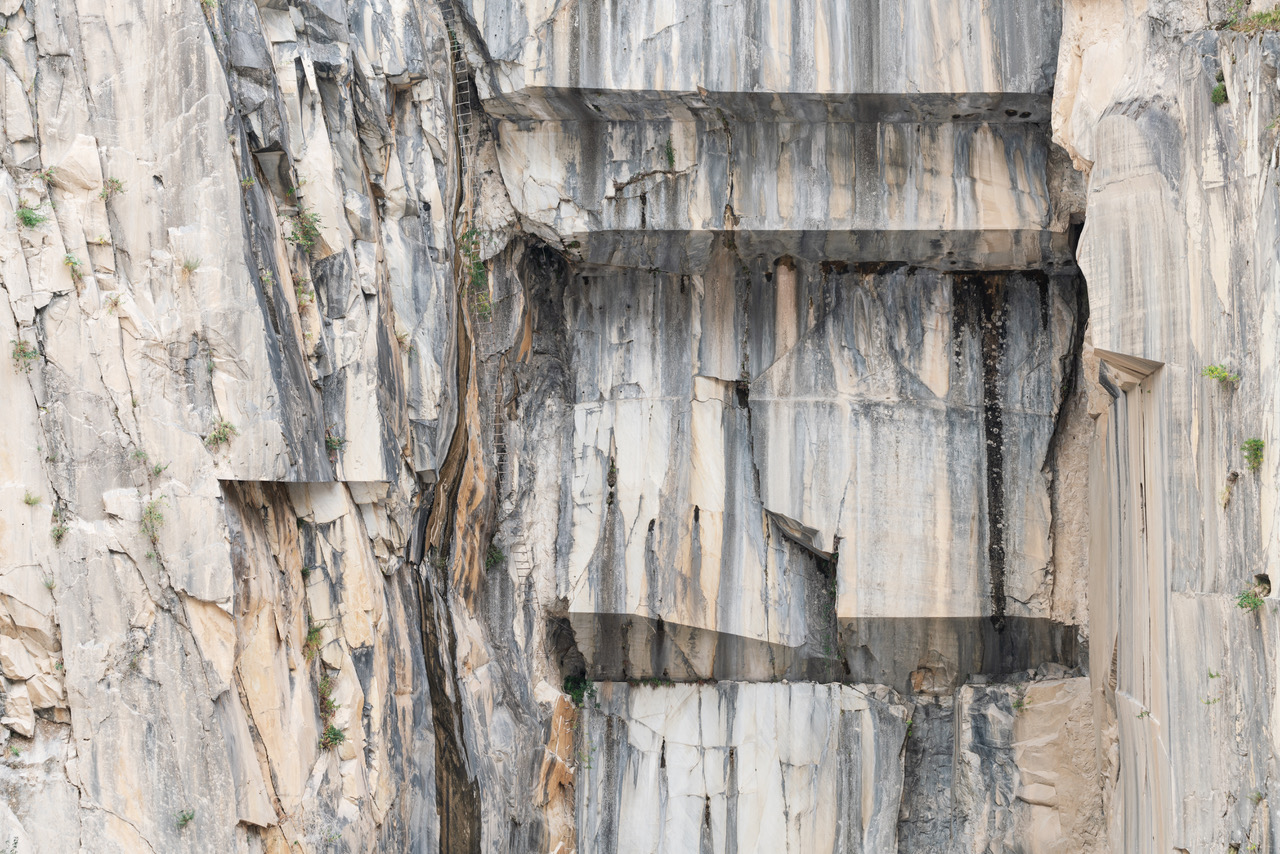
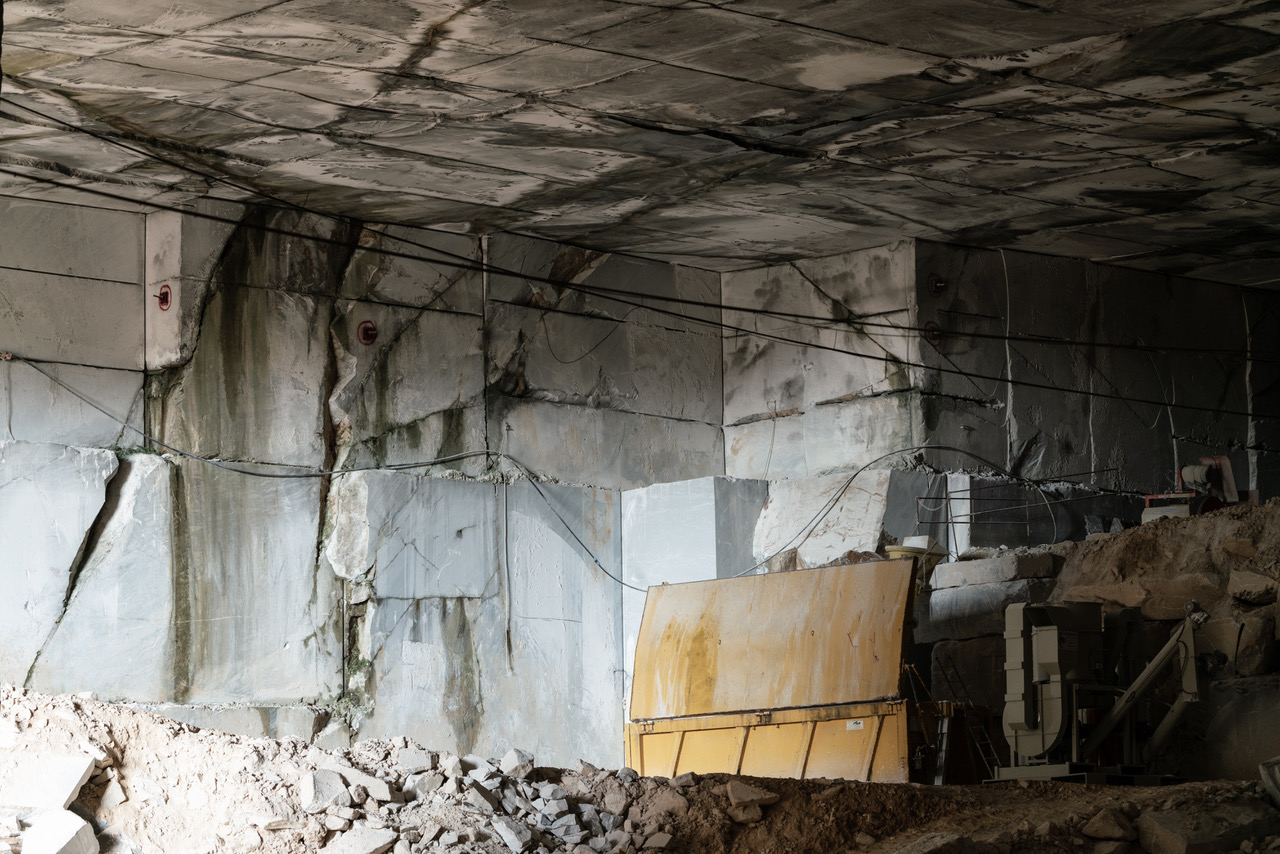
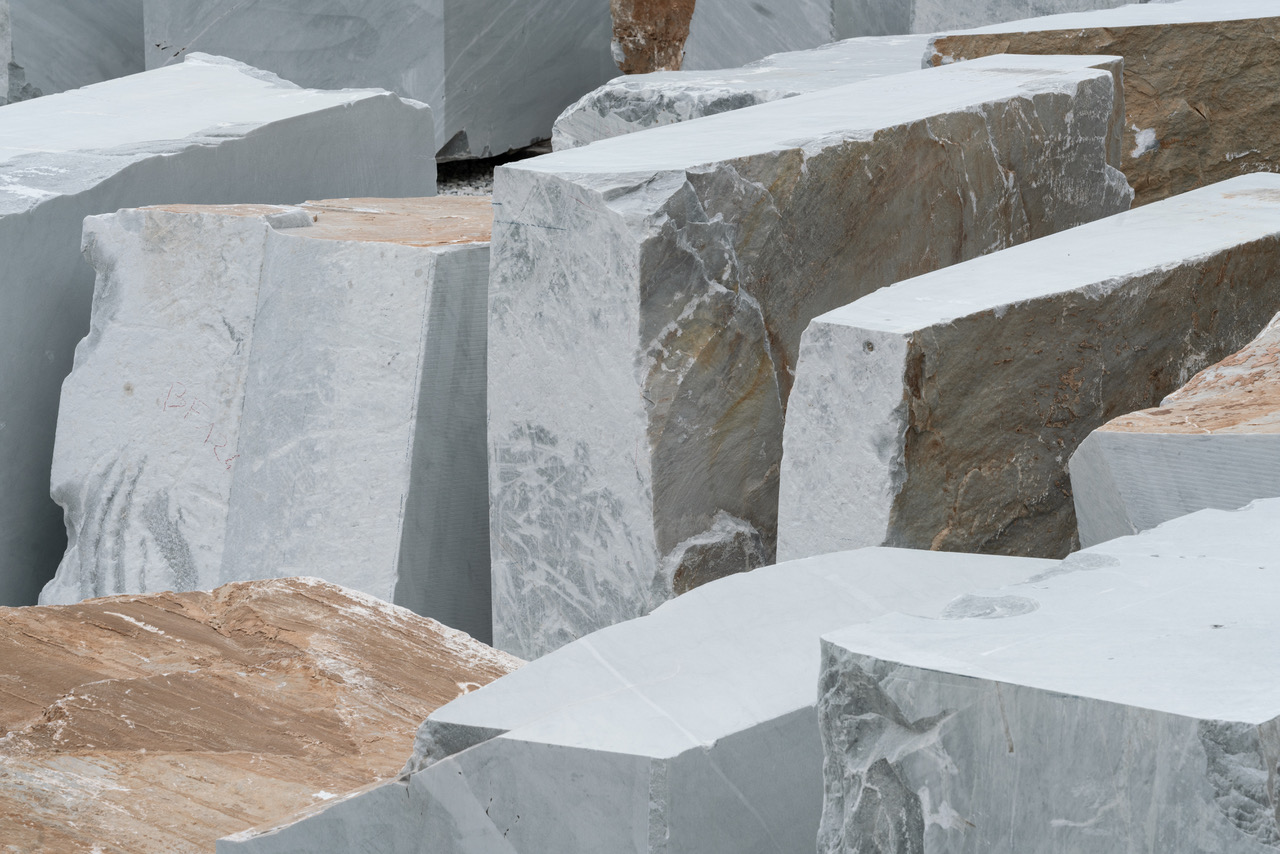
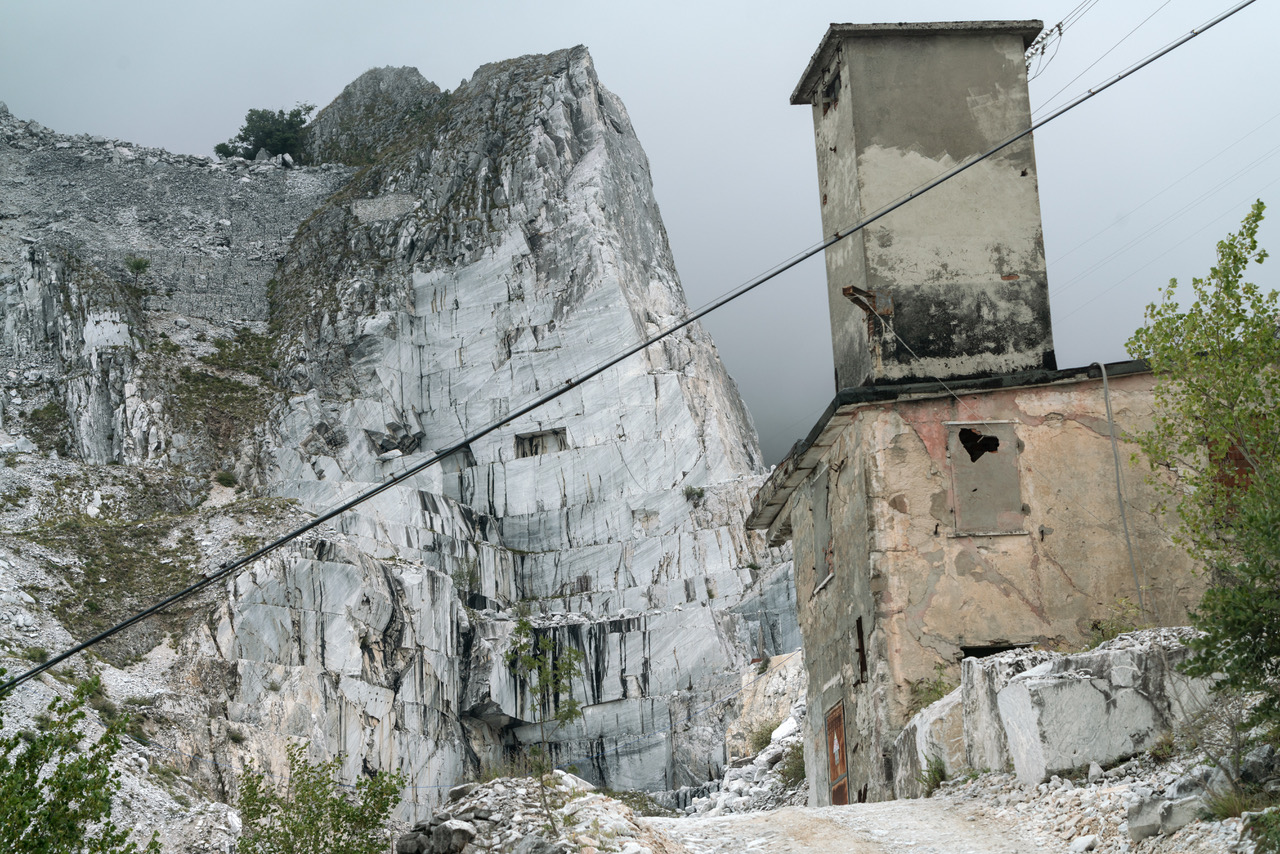
High in the Apuan Alps in Tuscany, human intervention meets geology with astonishing confidence. For over two thousand years, marble has been extracted here—nearly 700 quarries carved into a mountain range once pristine, some disused, some still operational. This is the source of some of the purest marble on Earth. Michelangelo’s David, palaces and piazzas across Europe, kitchen worktops and souvenir chess boards—all trace their origins to this place.
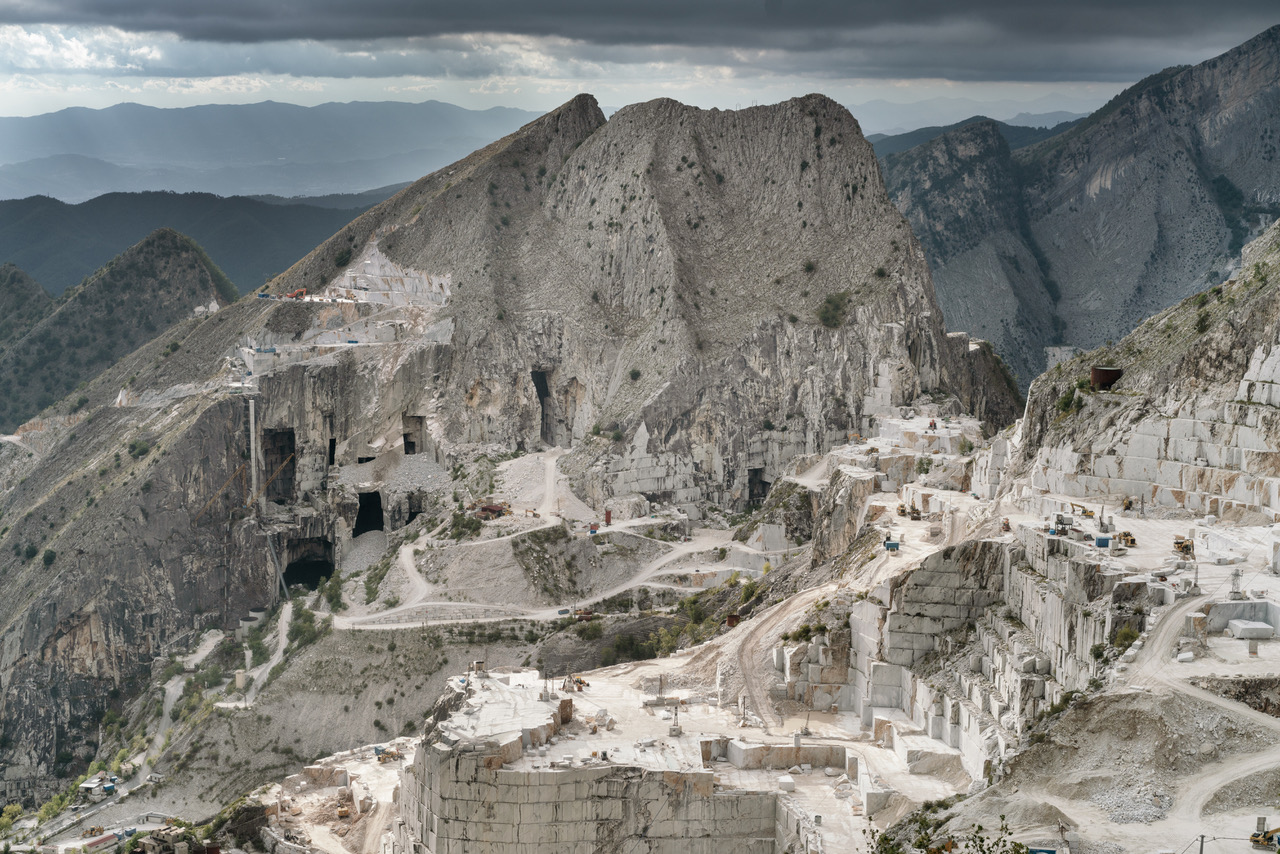
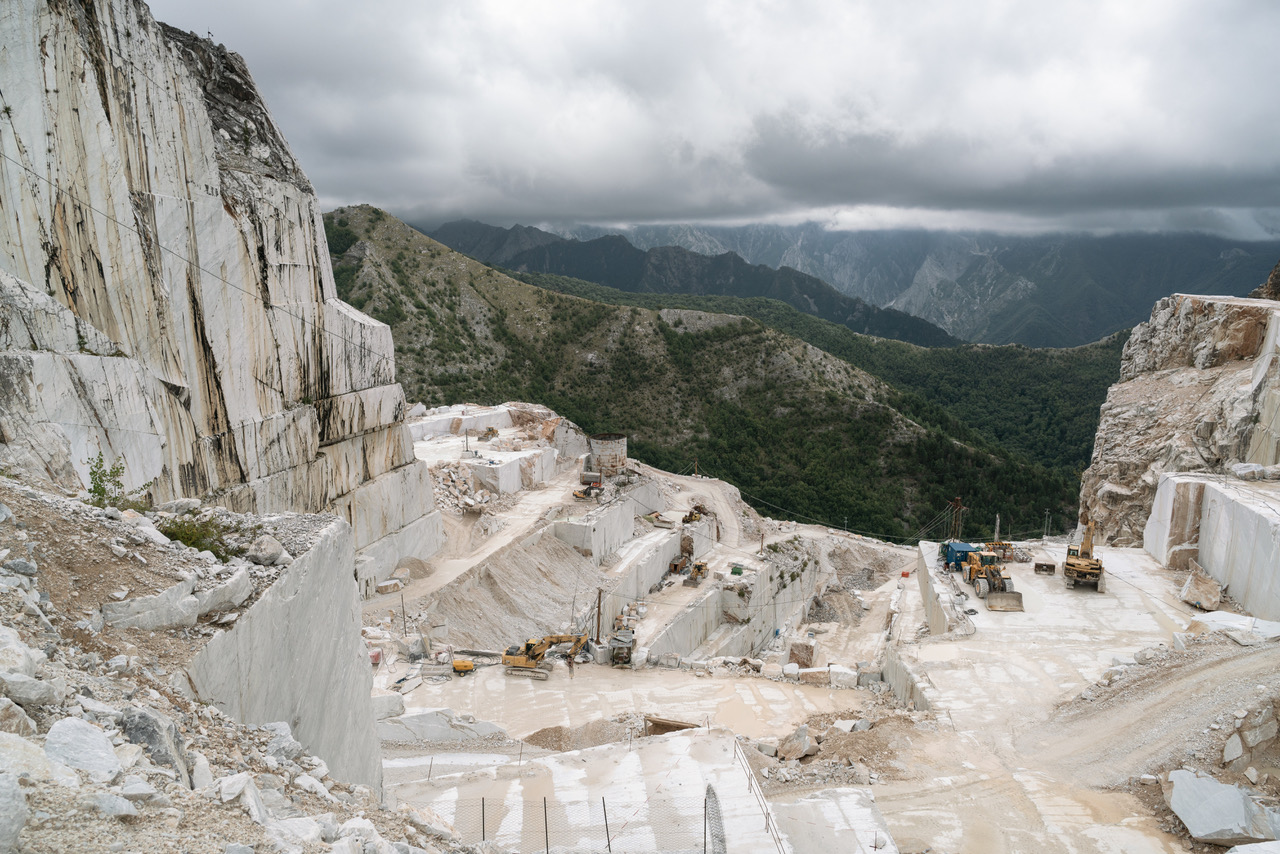
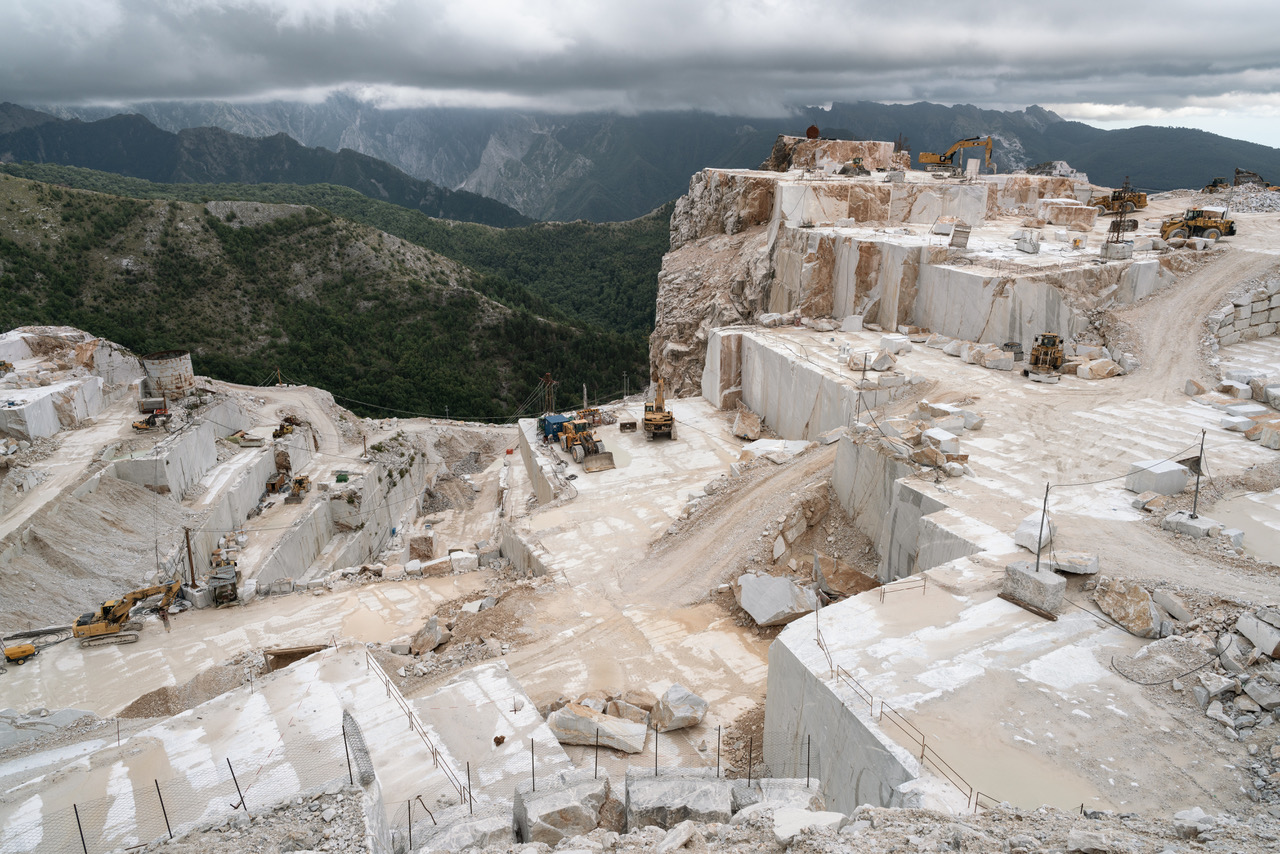
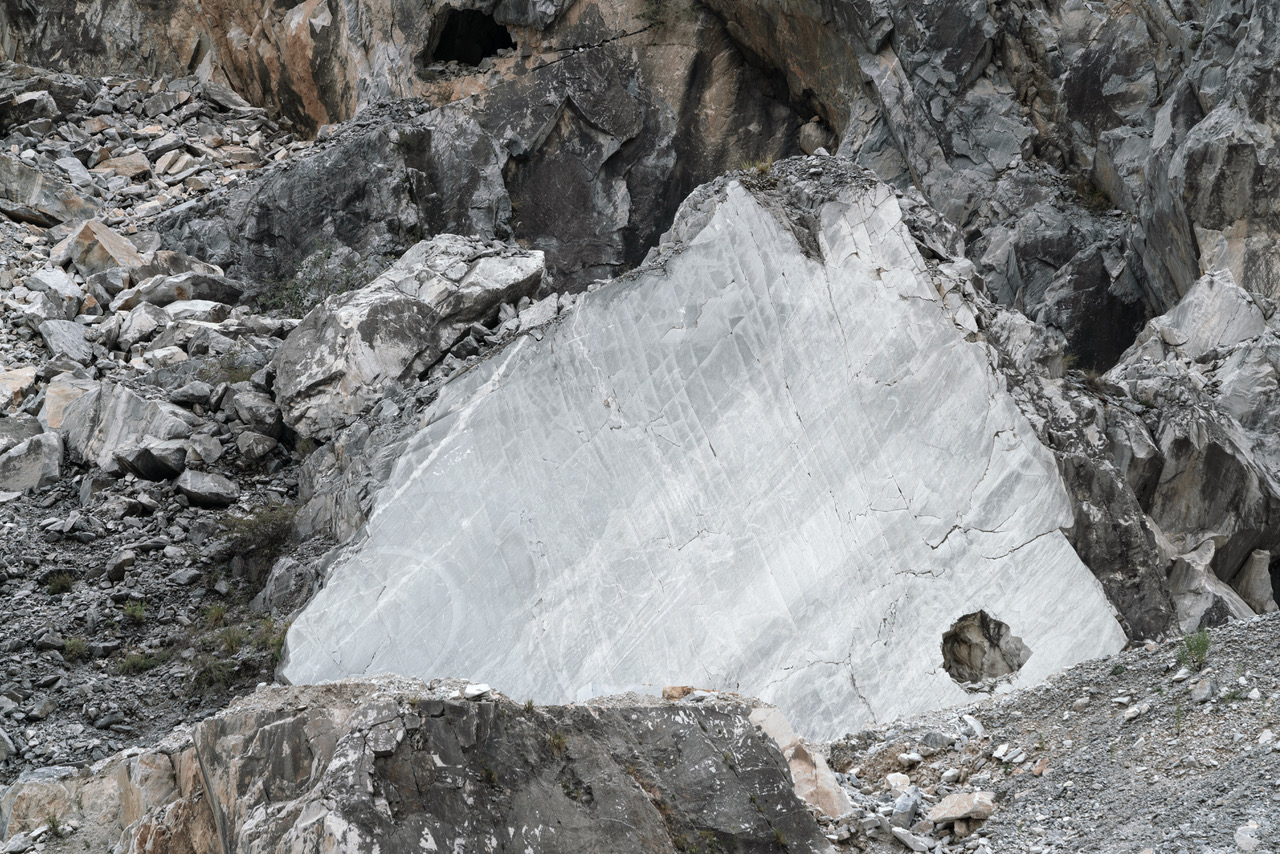
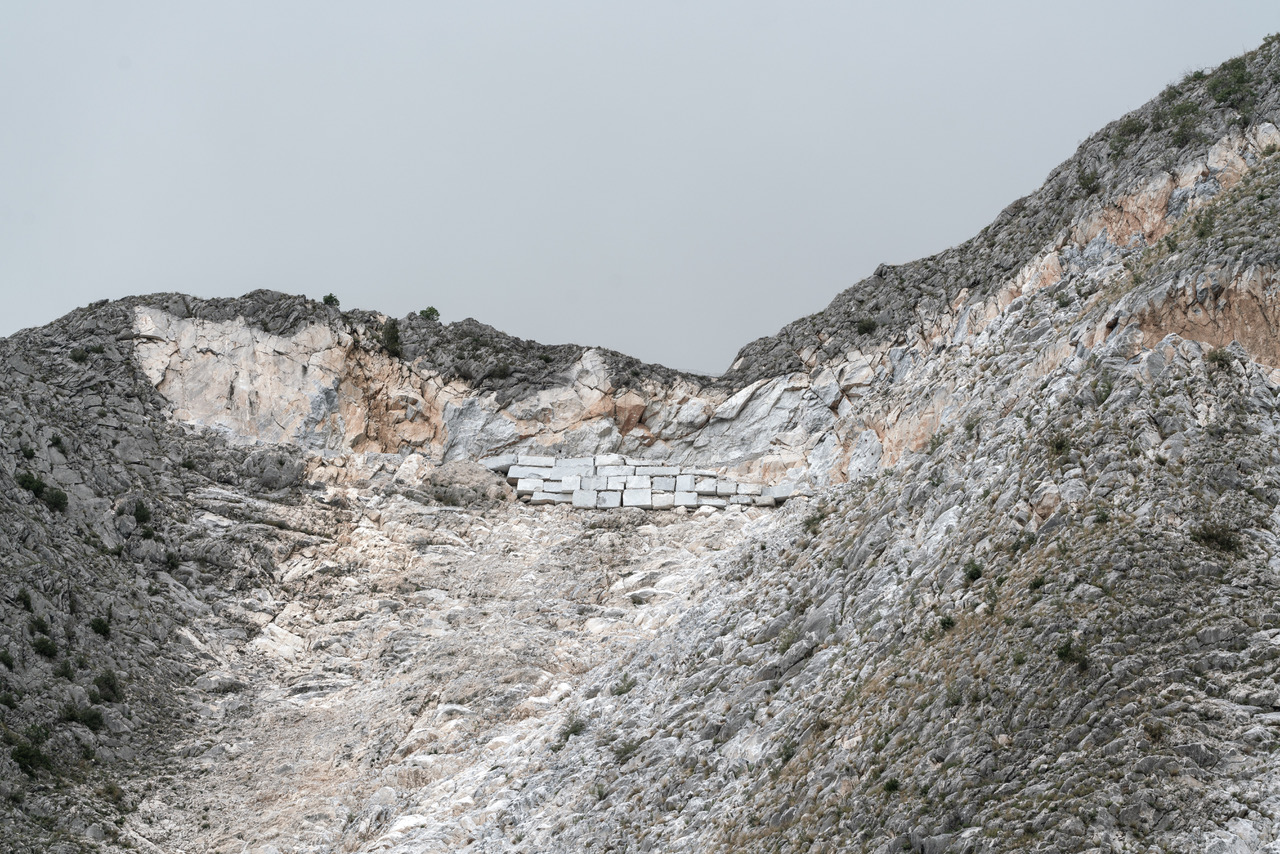
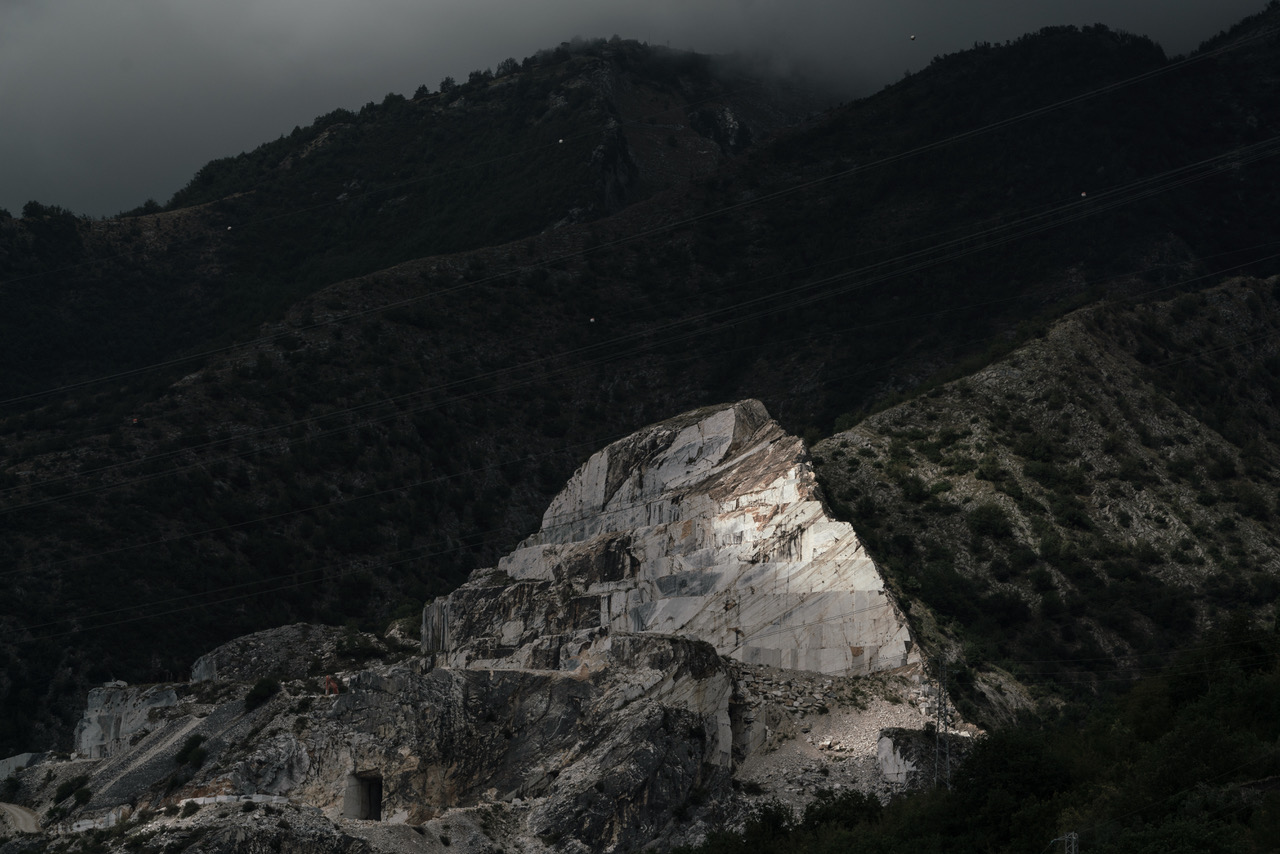
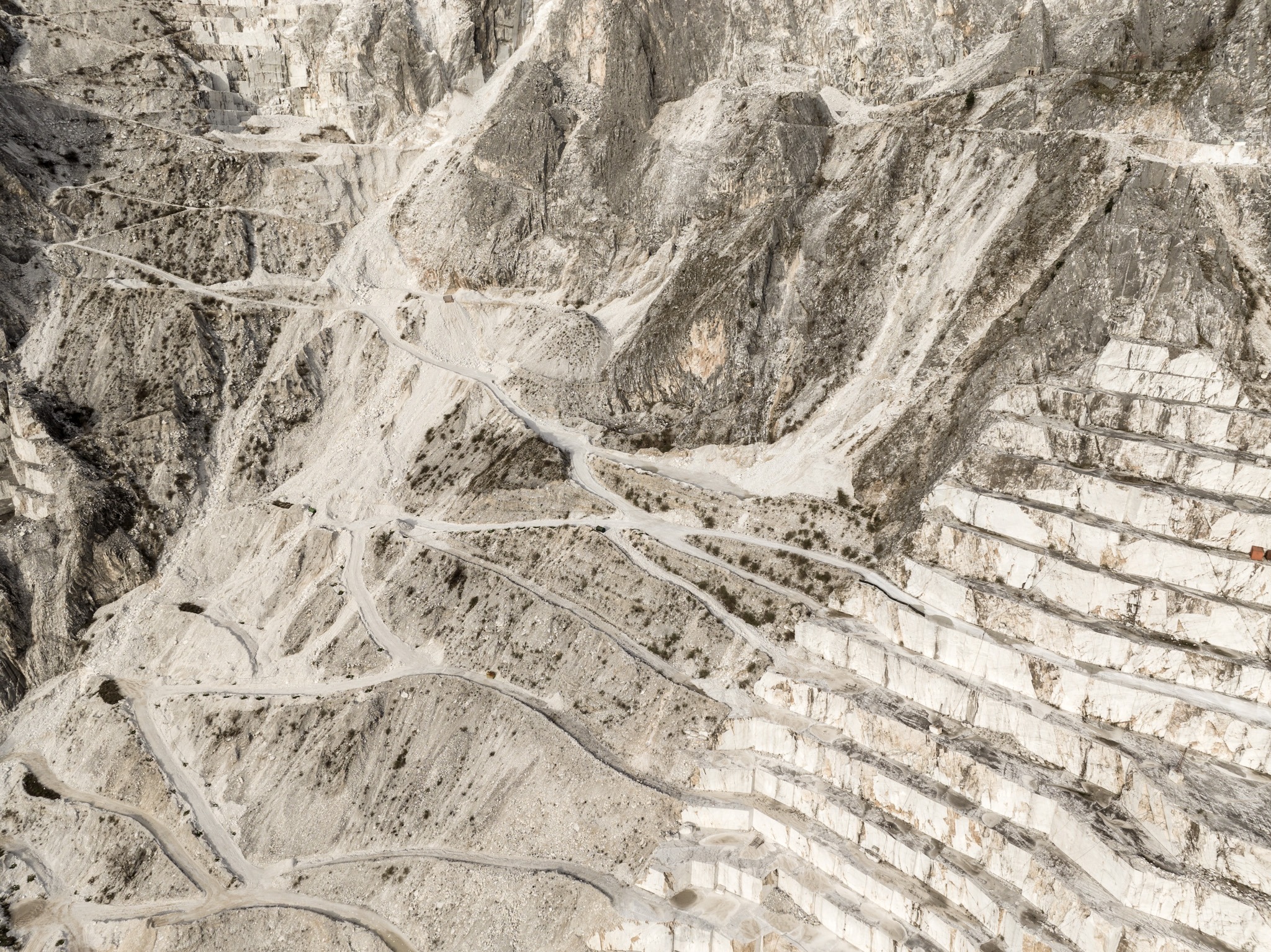
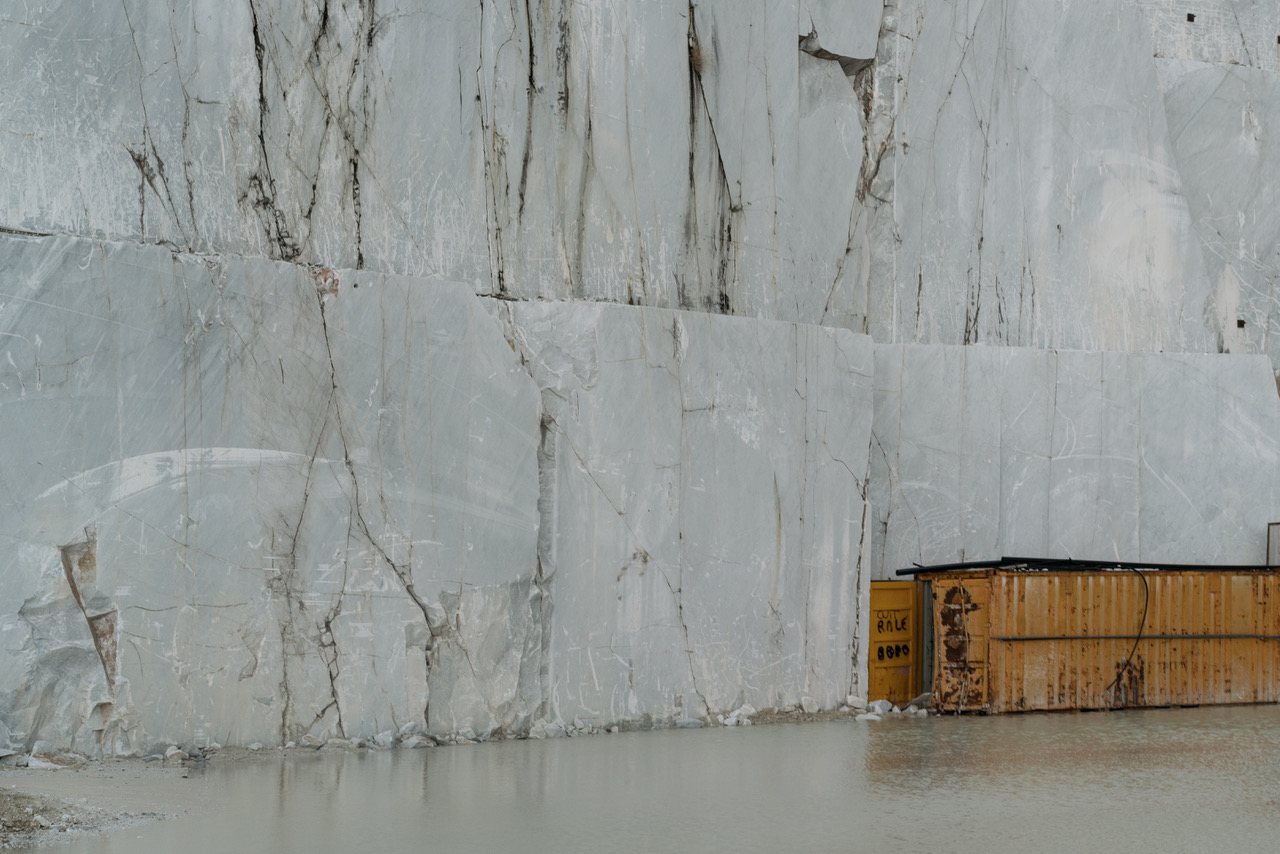
But the scars are immense too: smooth white faces sliced into hillsides, entire ridges removed and valleys reshaped. The result is simultaneously magnetic and disturbing – seductive, even sublime, yet impossible to reconcile with any easy notion of restraint. I am told that only five percent of the mountains may be quarried, the rest protected. But that figure hangs awkwardly. Five percent of a mountain range doesn’t seem insignificant when standing inside it.
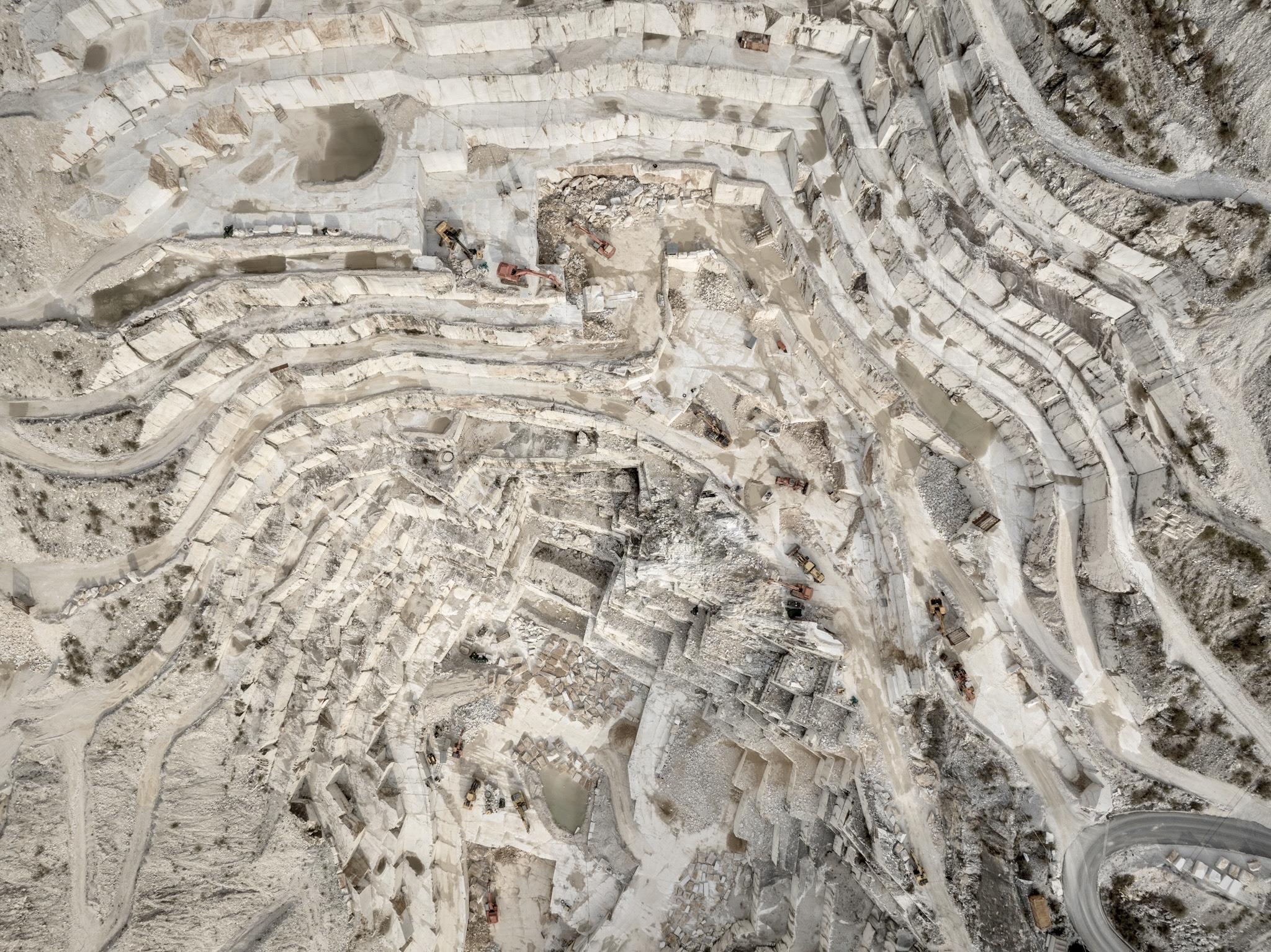
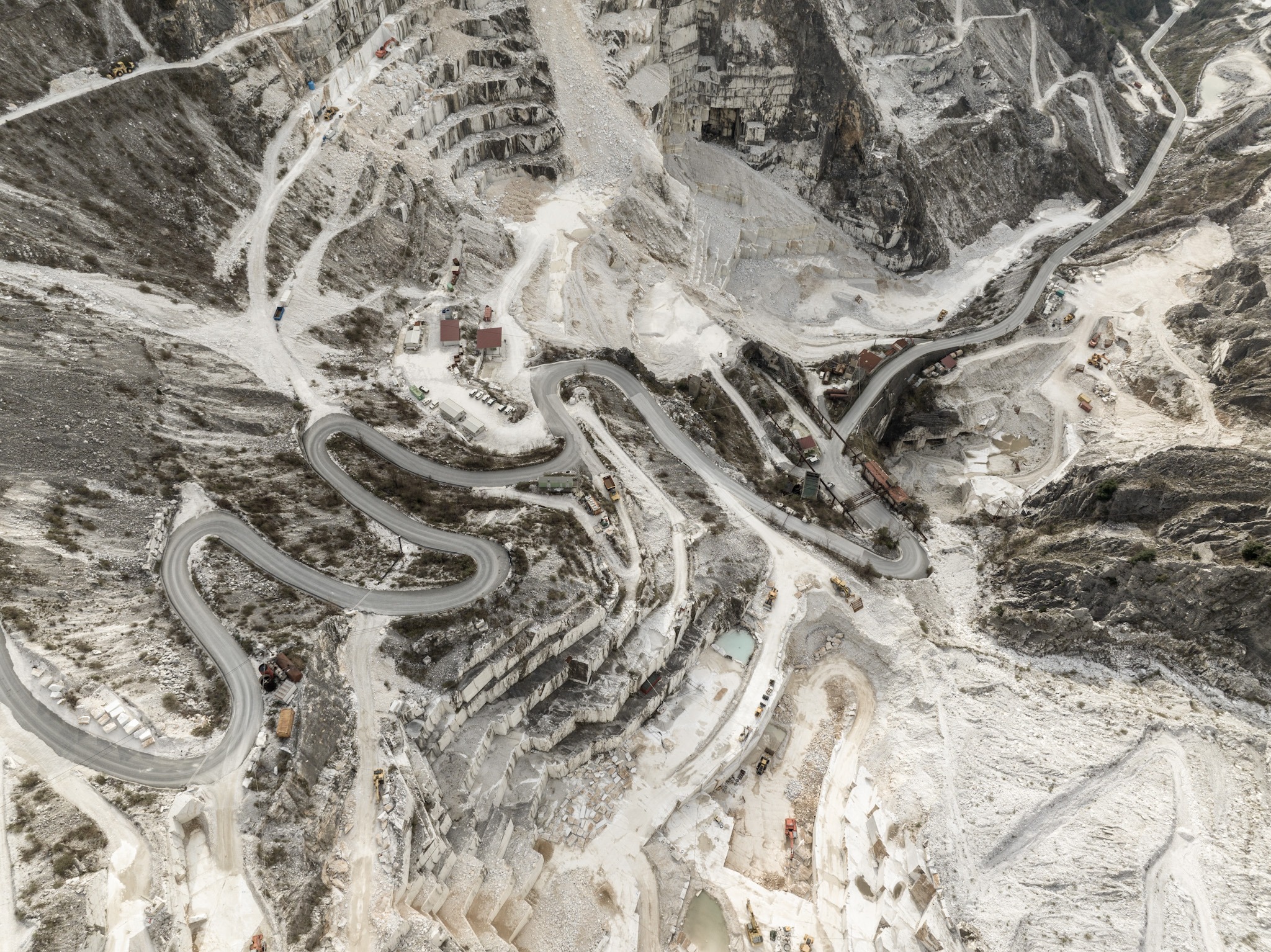
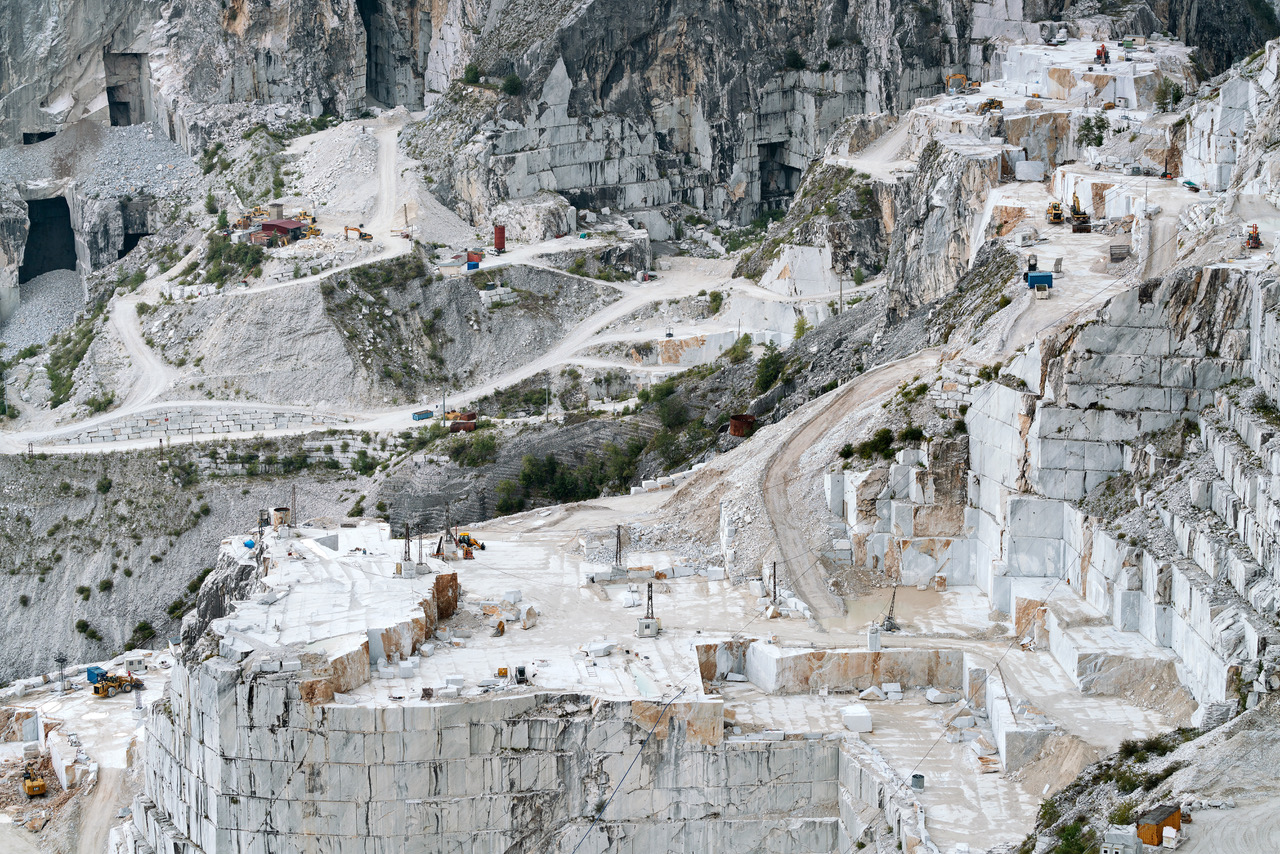
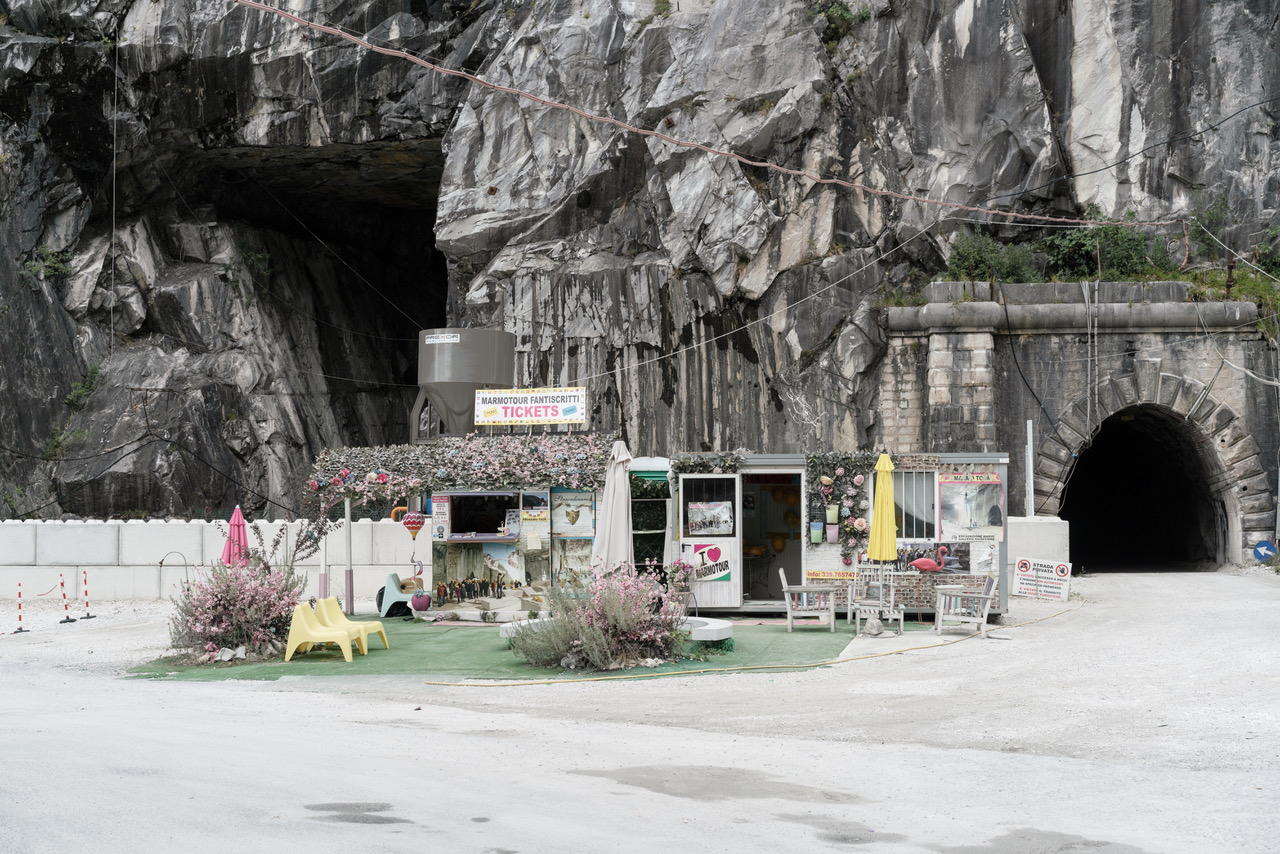
Excavators and lorries with wheels taller than a person appear like ‘Tonka’ toys against endless quarry faces, which themselves are dwarfed by the mountains beyond. Tourists move like ants across the landscape, stepping past ignored warning signs to touch the stone.
It‘s Tolkienesque—part fantasy, part industrial delirium. I am reflective of Sebastião Salgado’s immense body of work ‘Workers’ – that monumental examination of the human cost embedded in everyday commodities. Sugar, gold, oil: materials so familiar we forget the distant lives and landscapes entangled in their extraction. Distance, both geographical and psychological, allows consequence to dissolve. Is this, too, is how climate change and biodiversity collapse operate: through separation, convenience, and the quiet normalisation of damage?
And yet the question lingers. When five percent is exhausted, what then? Do the machines retreat and the mountains rest? Or is there always a justification for a little more—economic necessity, jobs, consumer demand? As generational change resets the baseline in an ever more denuded landscape, constraint becomes negotiable and limits quietly shift.
What Carrara ultimately offers is not certainty, but clarity. It sharpens questions around beauty and greed, desire and denial, responsibility and complicity. It is breathtaking – but also a warning. And perhaps that tension—between awe and discomfort—is precisely where more honest conversations about our future must begin.