
The Pollenmakers
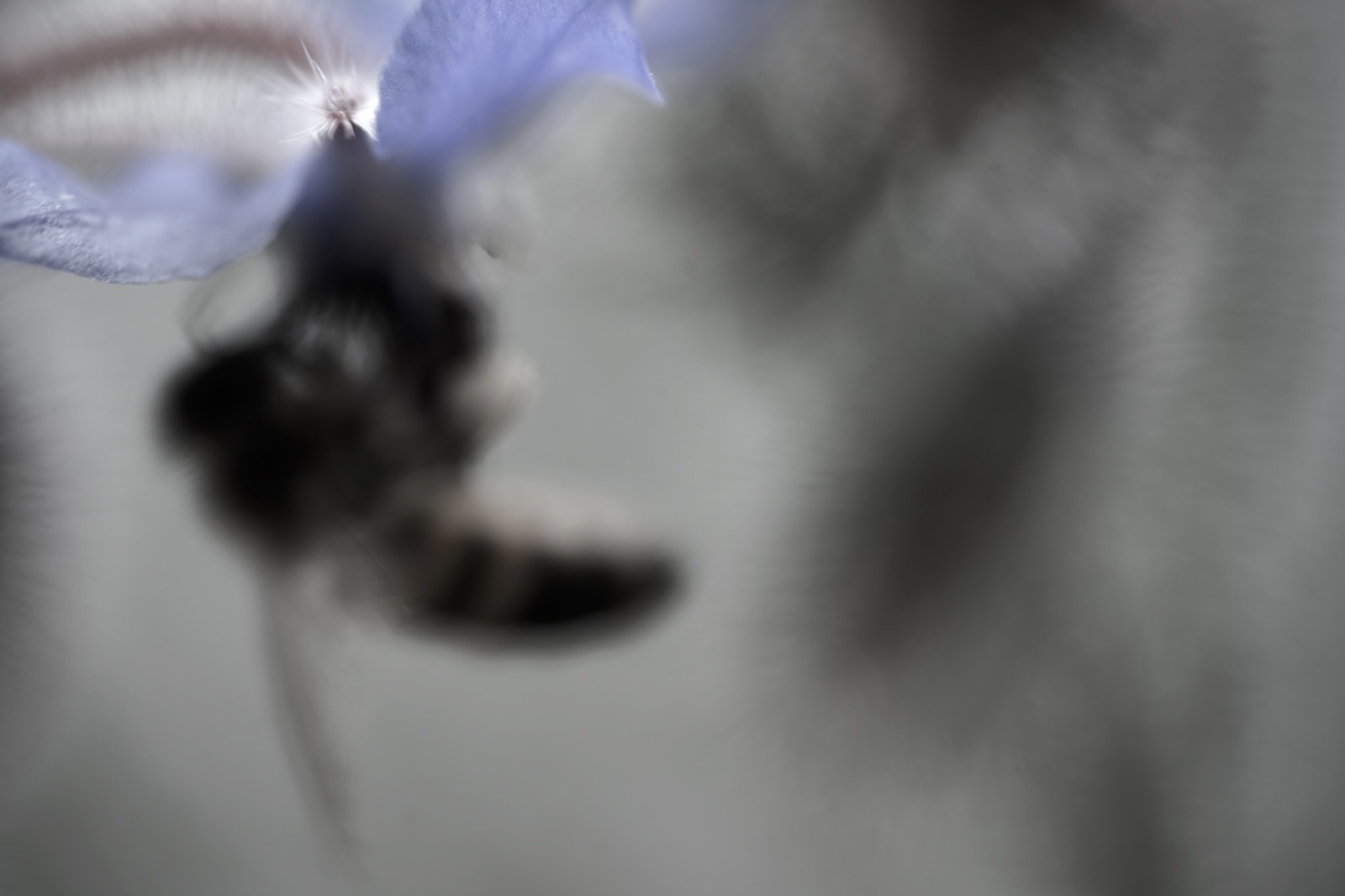
This project evolved from a (lazy?) initial commitment to the ‘No Mow May’ movement, a deceptively simple initiative that invites personal action as a form of quiet resistance – pause, observe, and allow space for pollinators and the plants on which they depend to thrive. But more than this, it helps us accept that not everything has to be neat, regimented, simplified and aesthetically prim. That true beauty is so much deeper than the merely visual.
As the weeks passed and the mower remained silent, a remarkable transformation unfolded in front of me. For within weeks, from a seemingly uniform lawn, emerged an abundance of plant species—many long absent, some perhaps originating from agricultural eras when the land was worked for food rather than uniformity. The seed bank, patiently waiting beneath the surface, revealed nature’s capacity for extraordinary recovery when given time and permission.
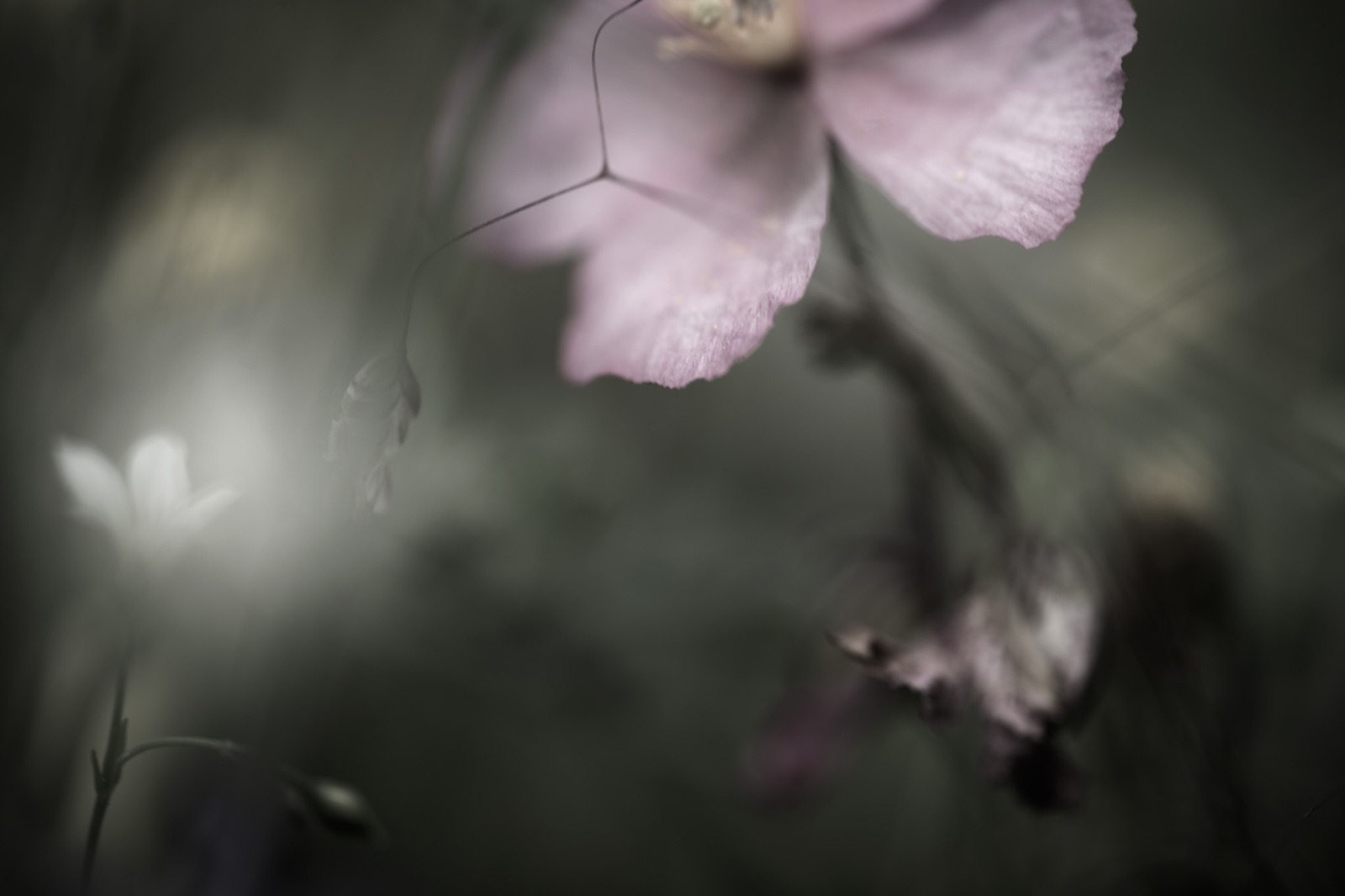
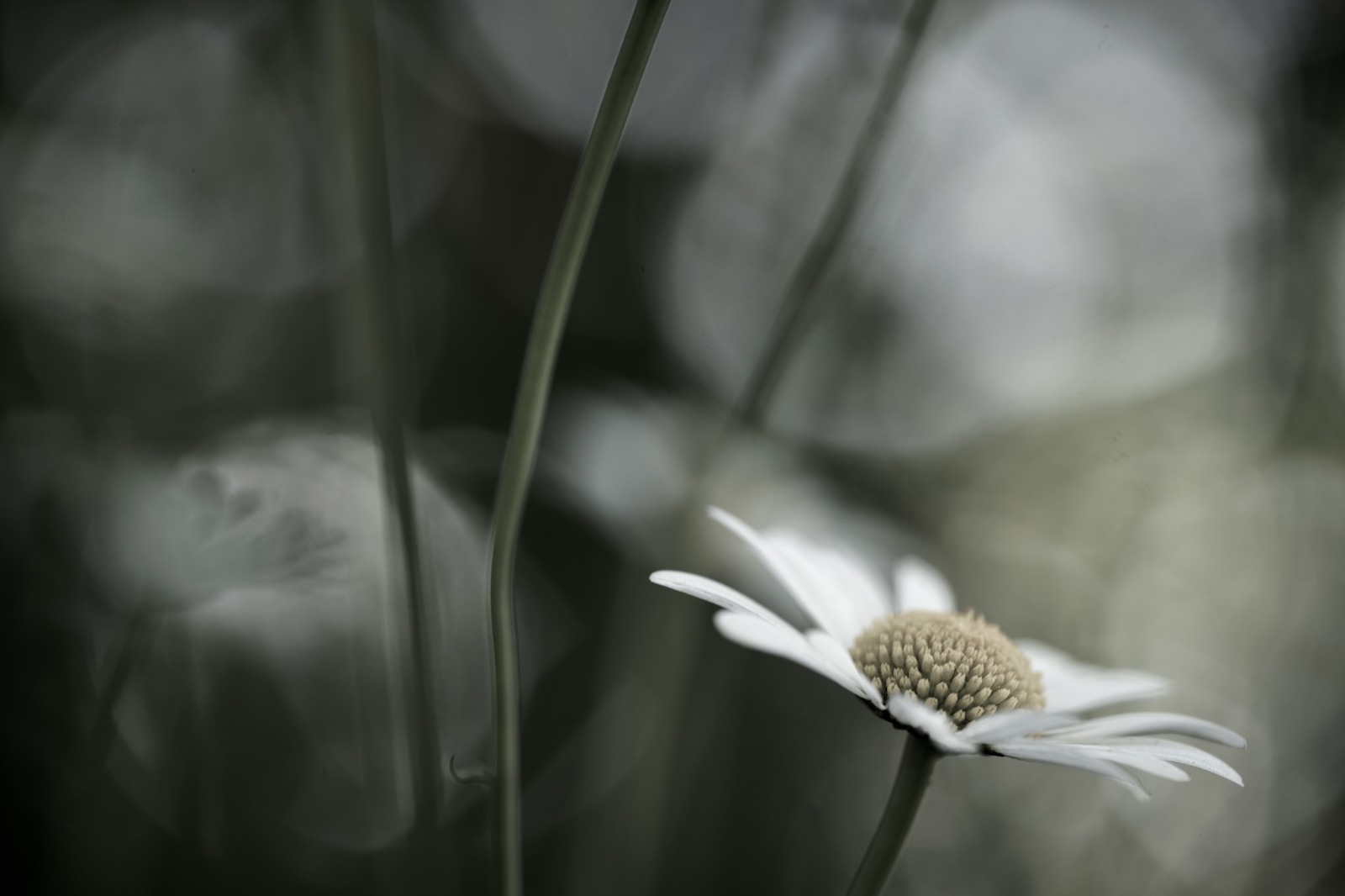
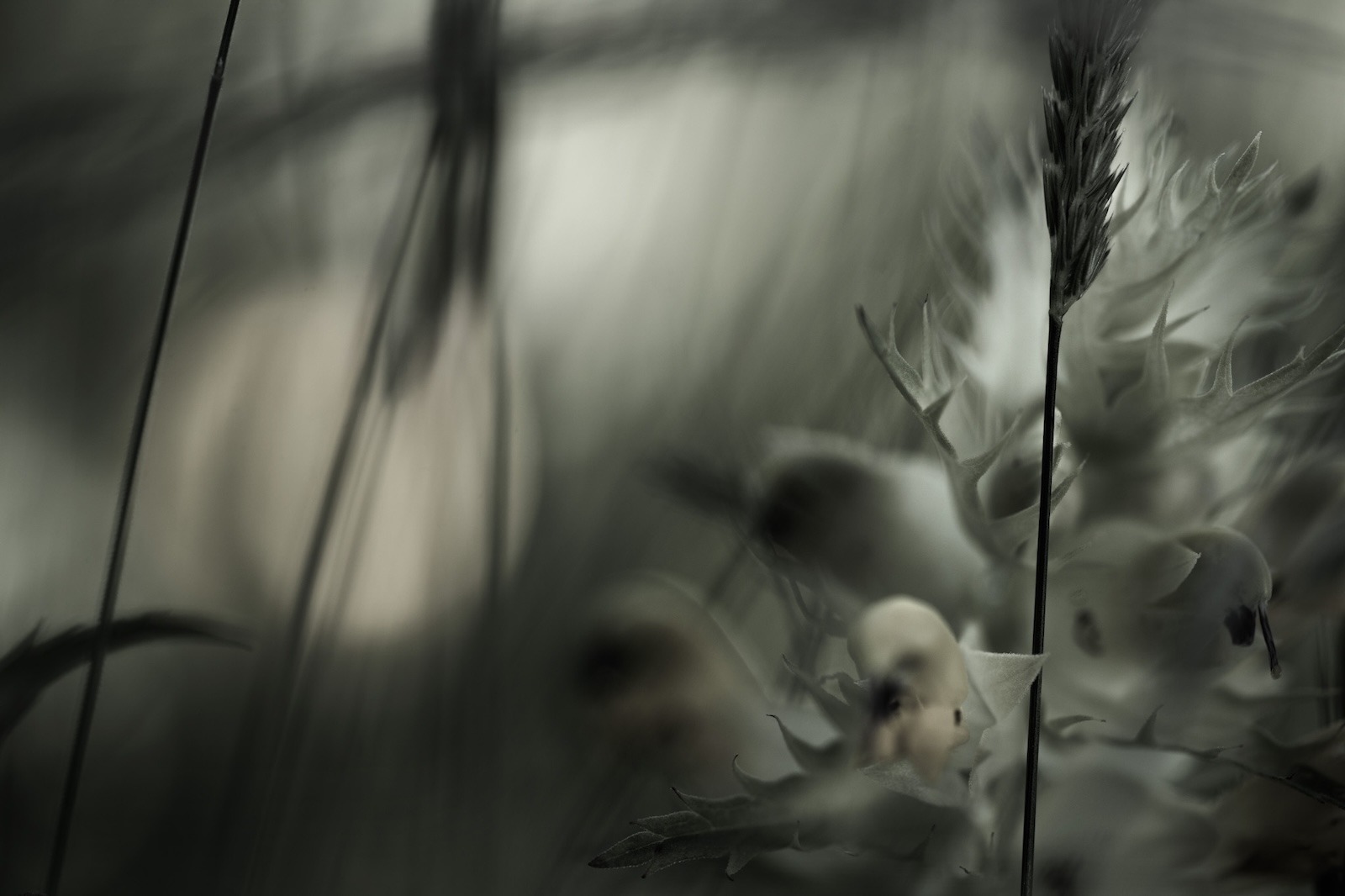
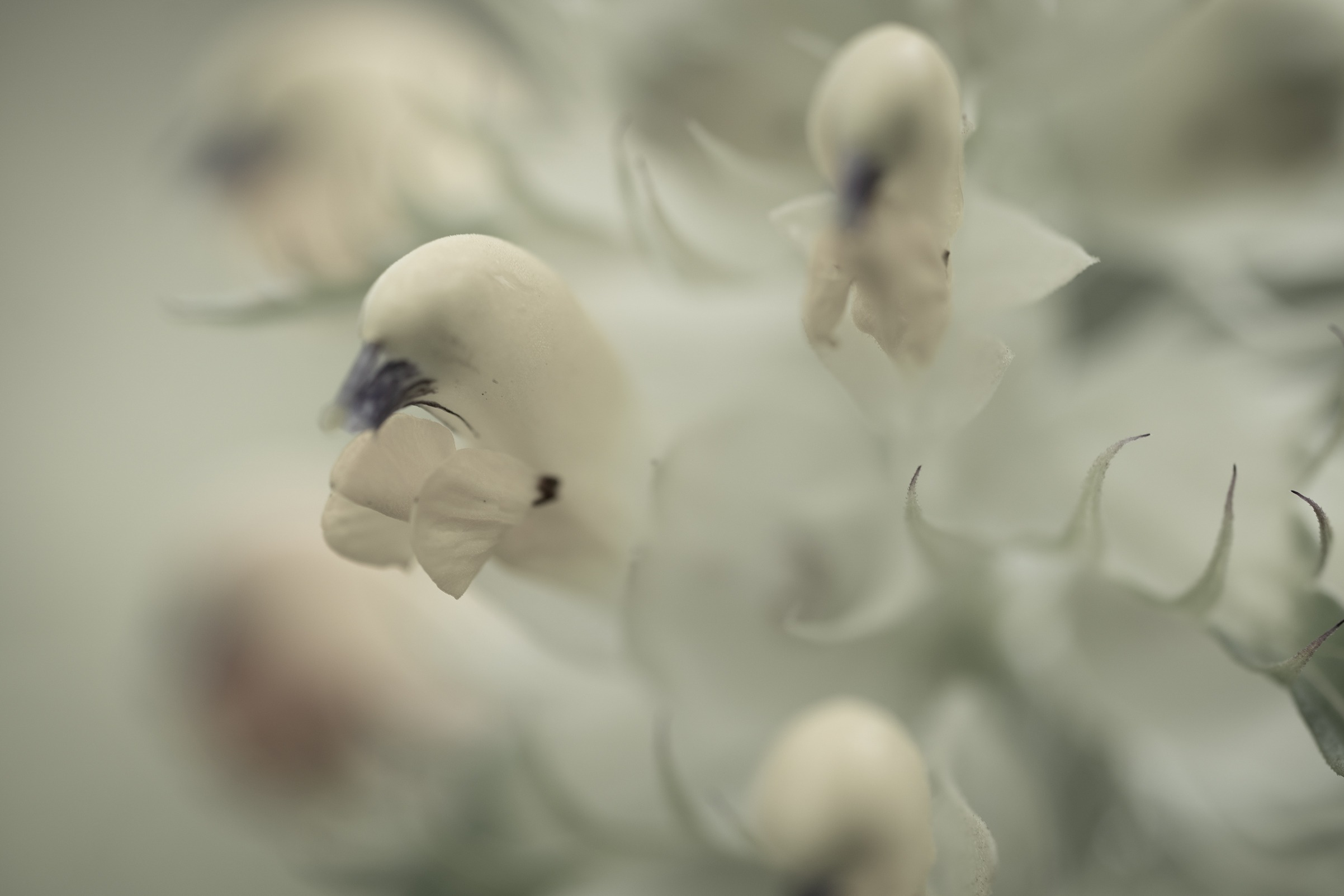
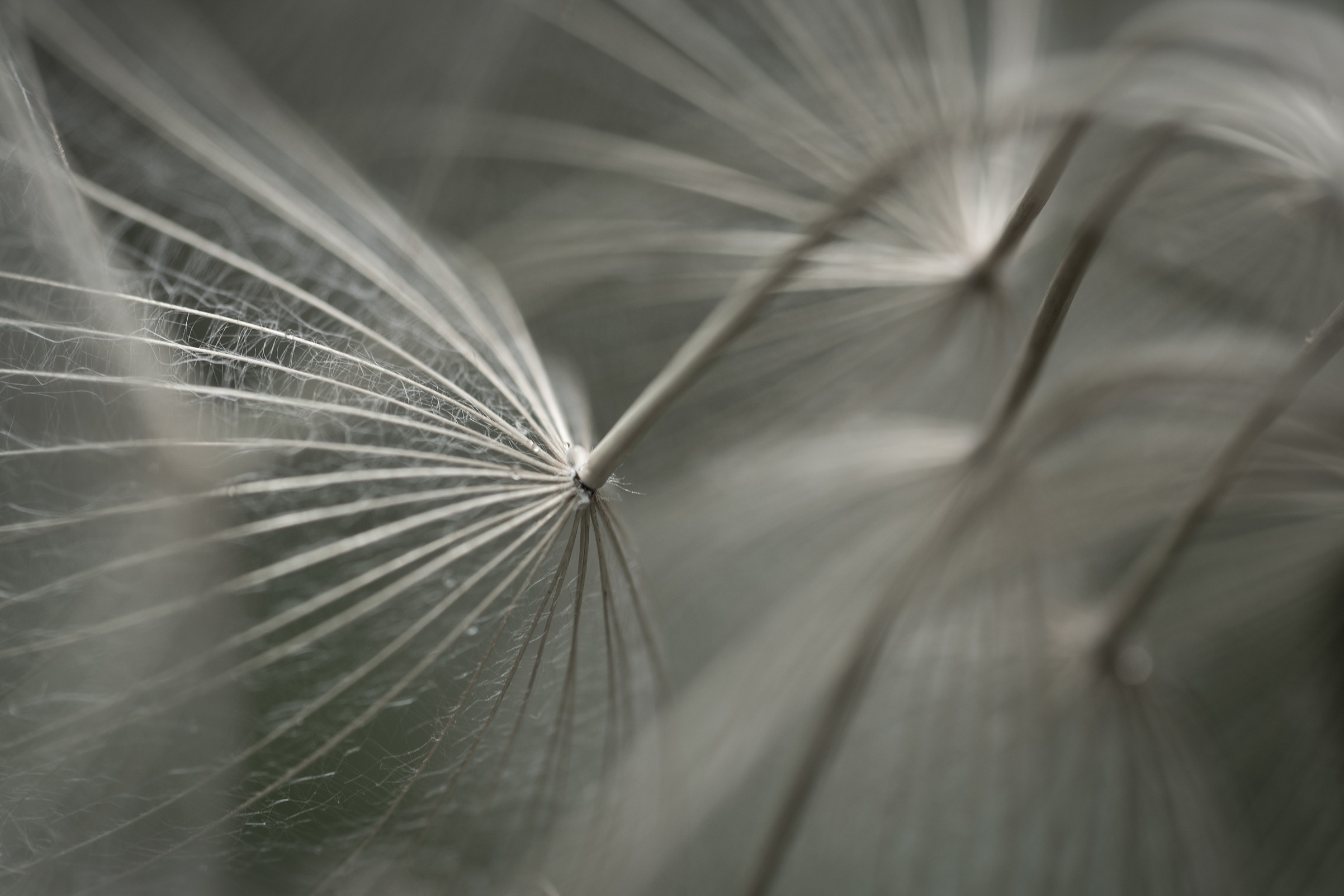
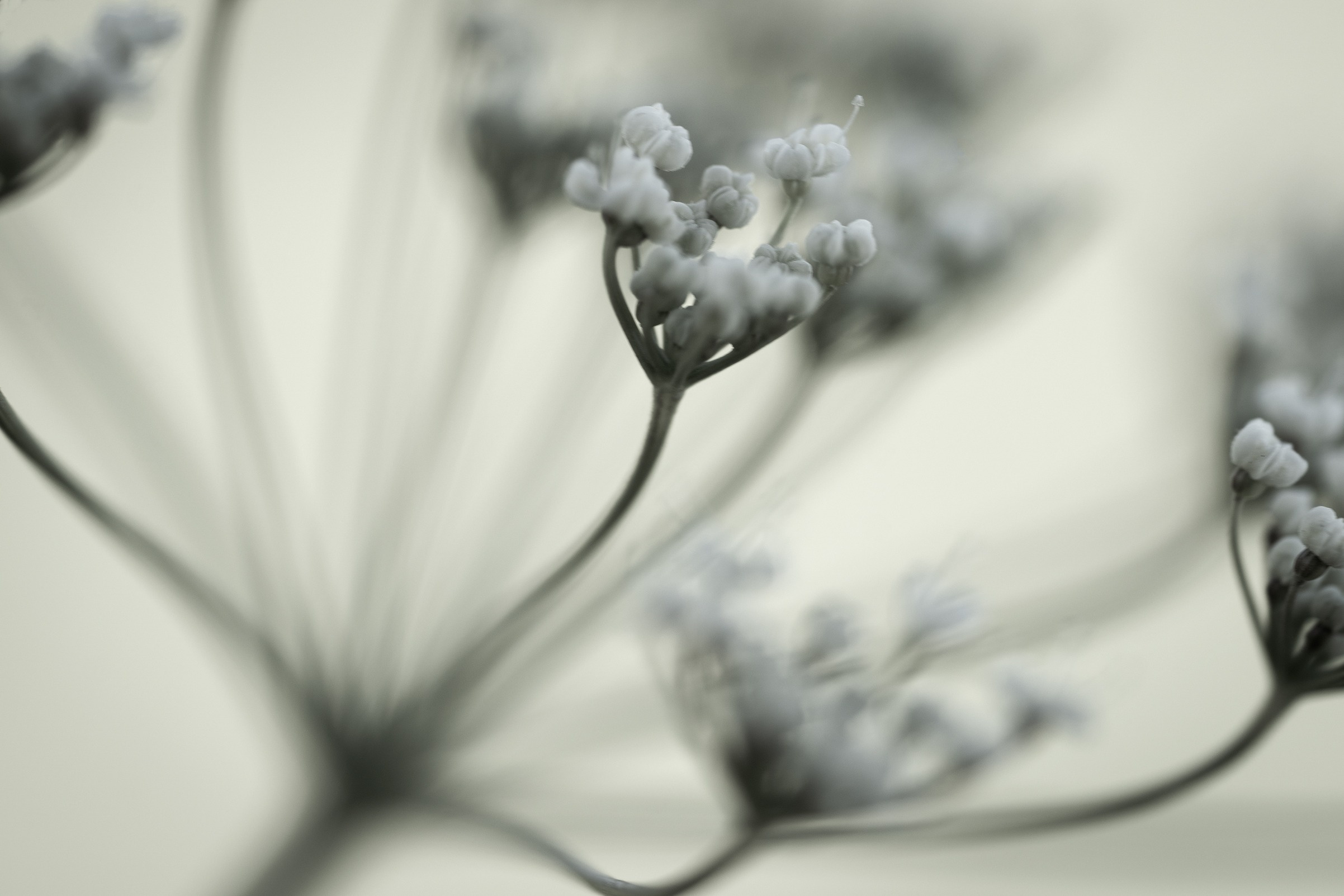
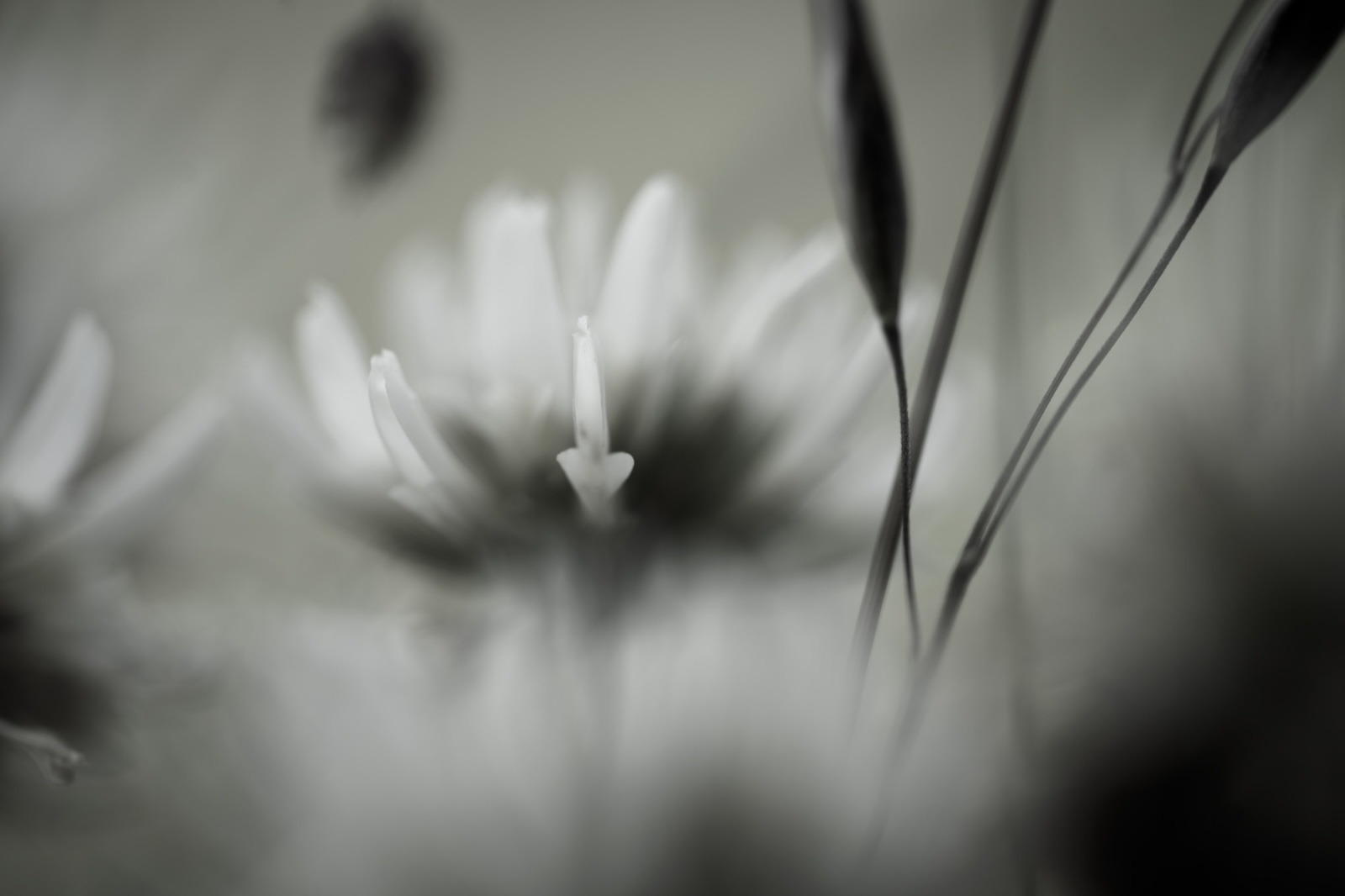
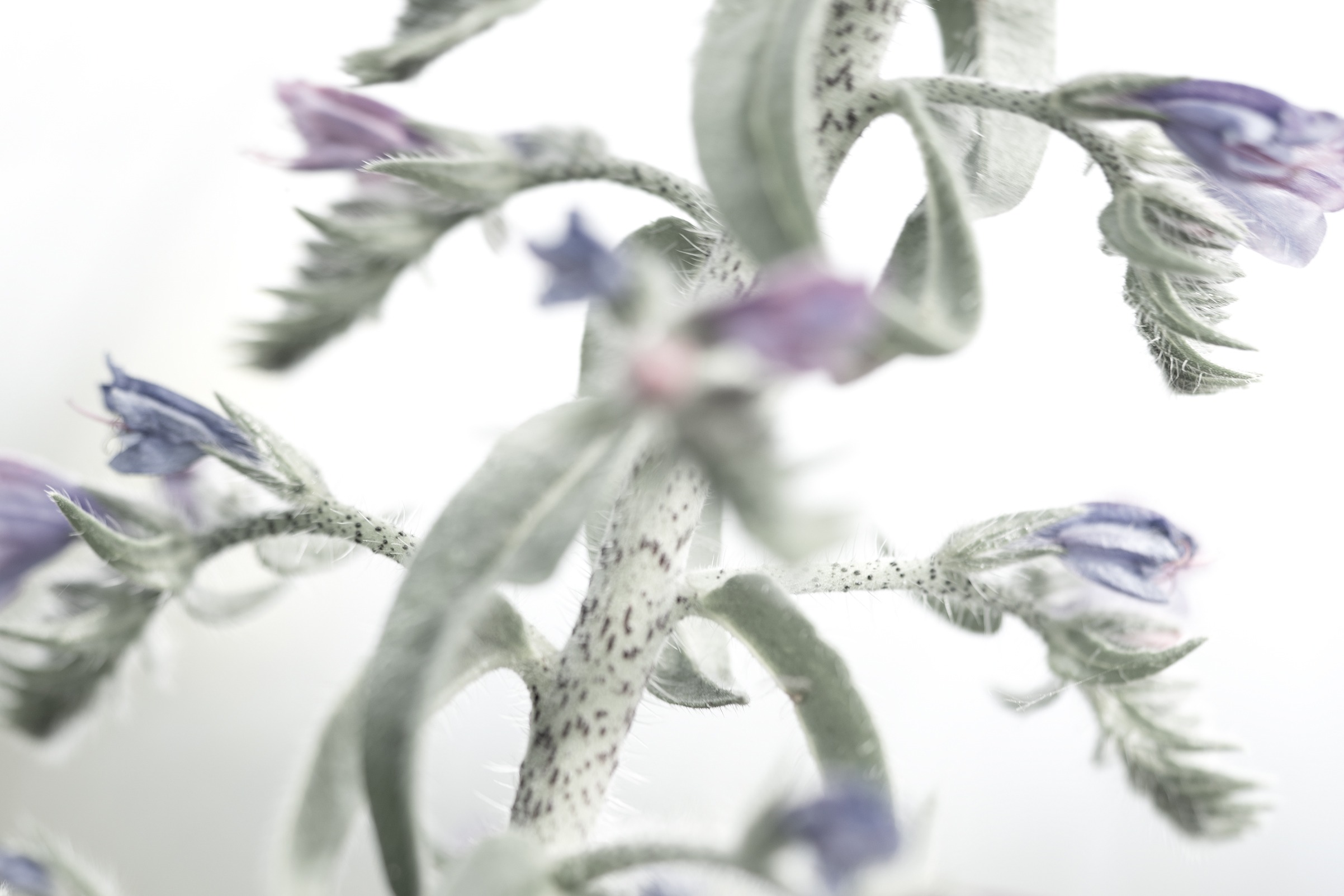
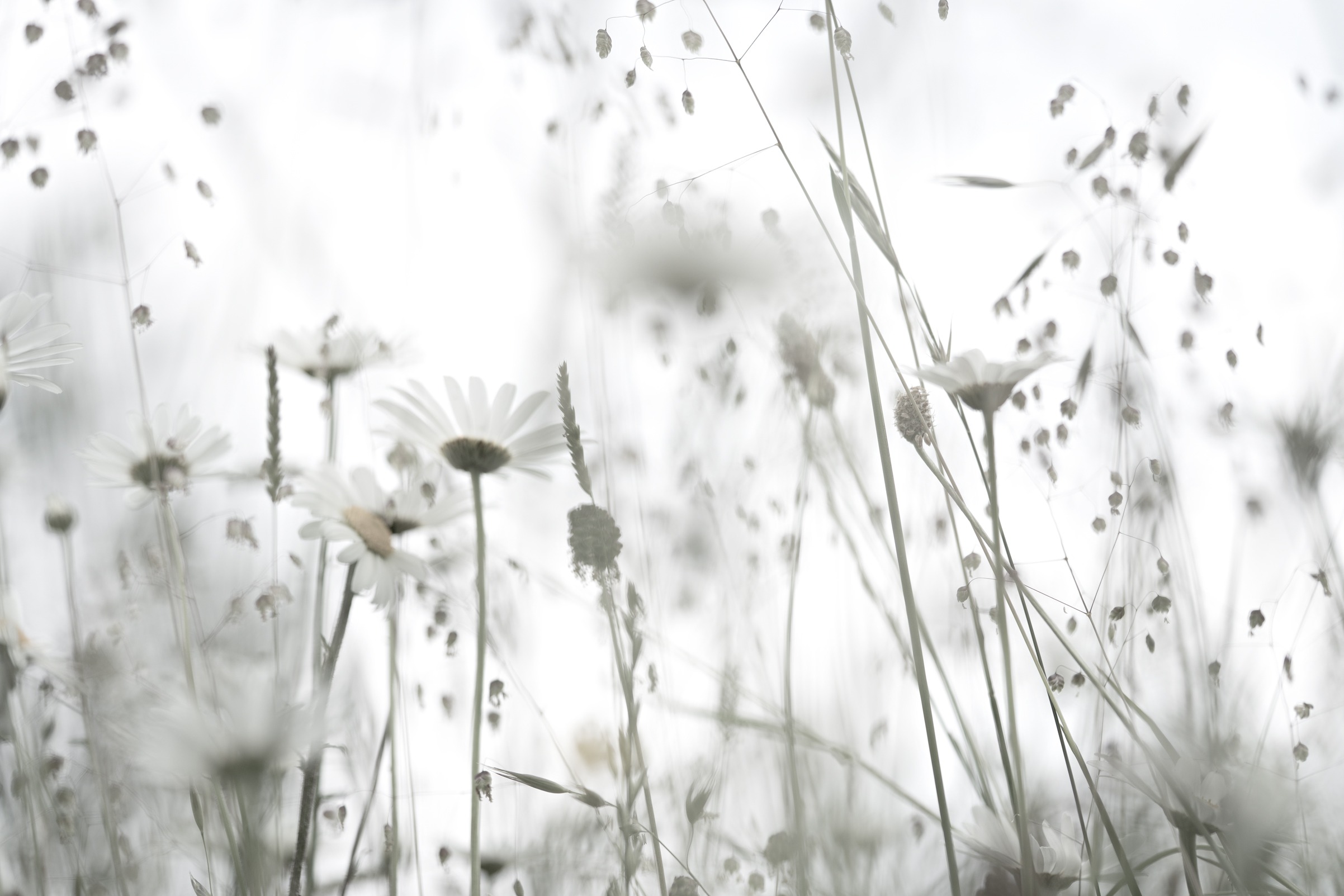
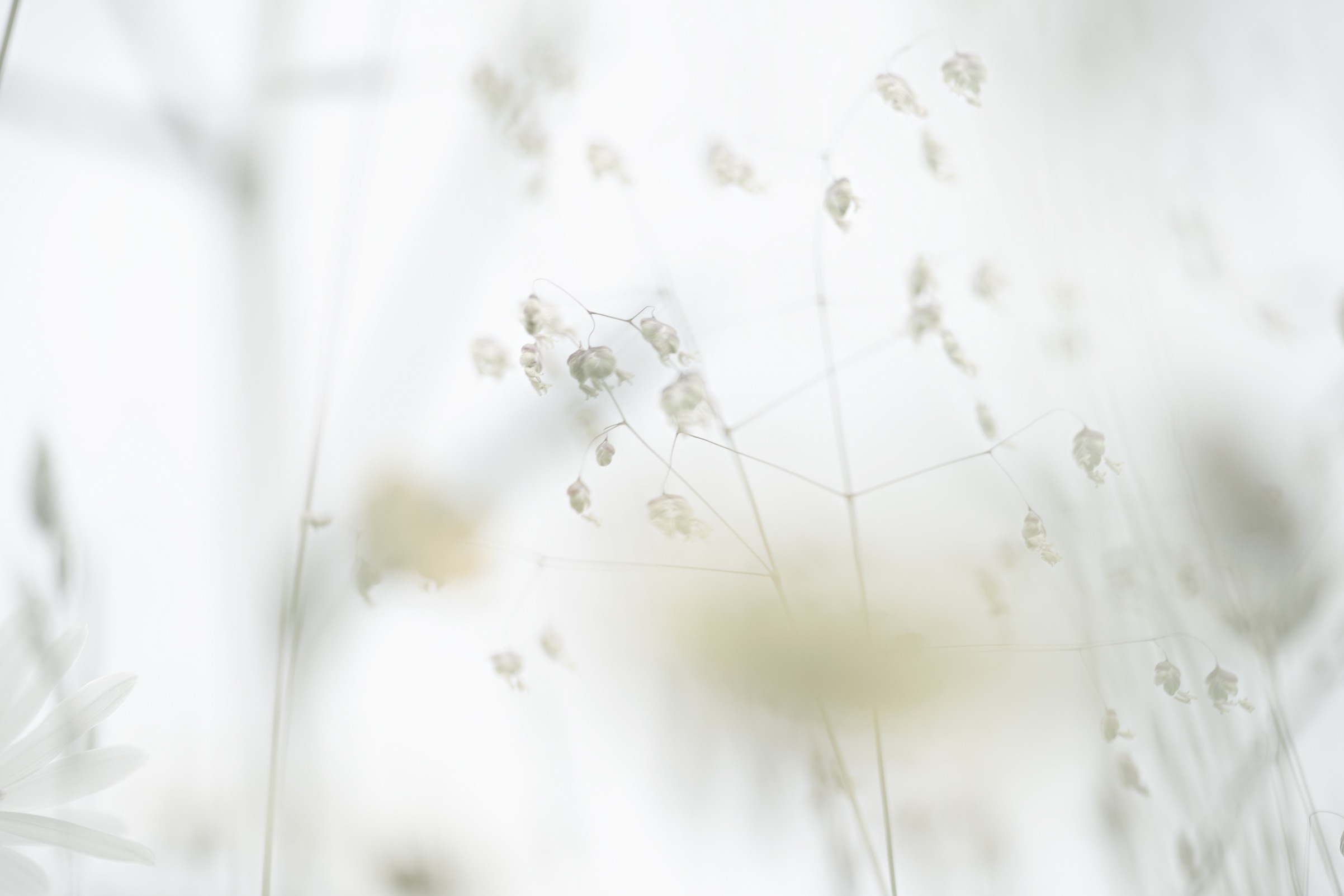
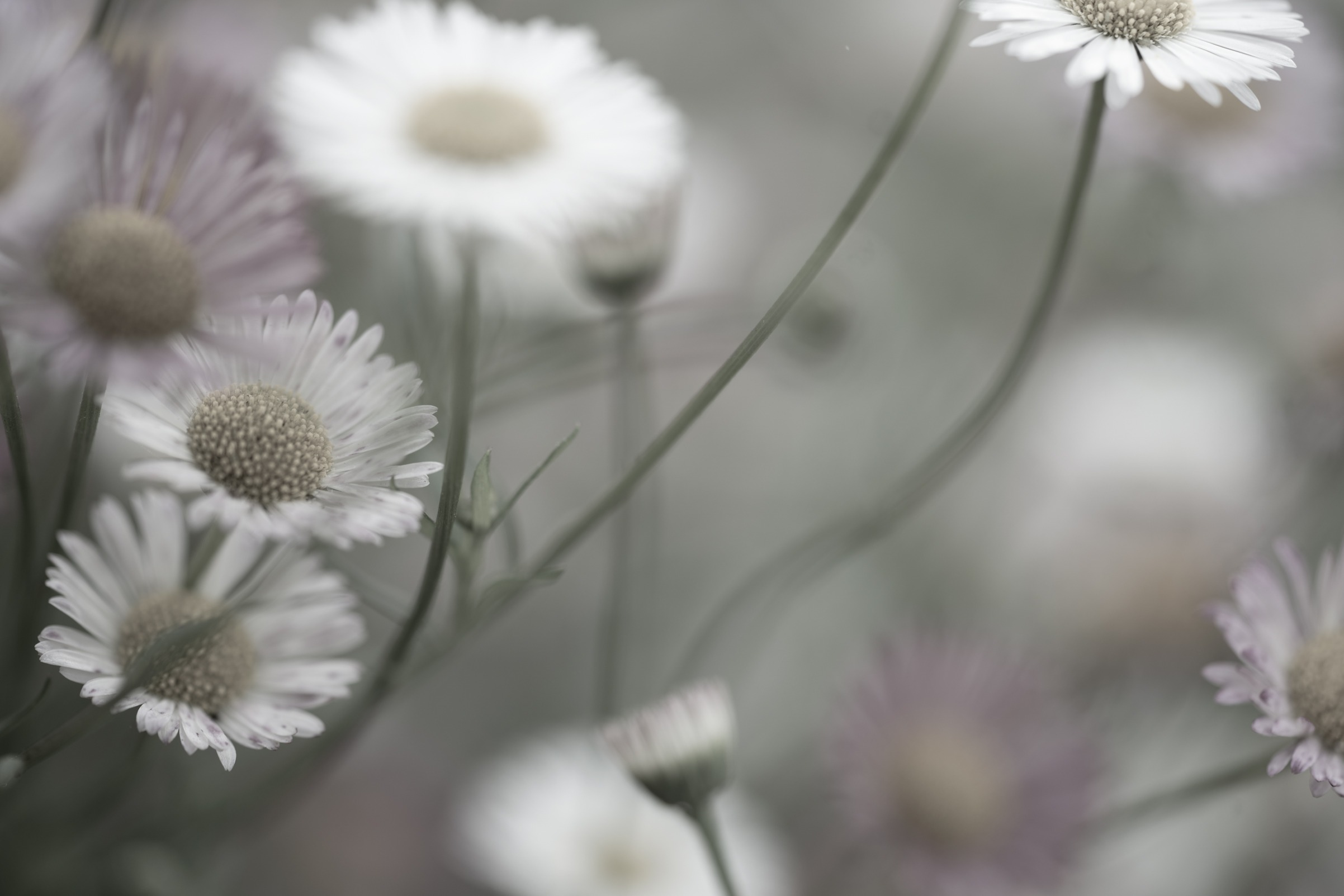
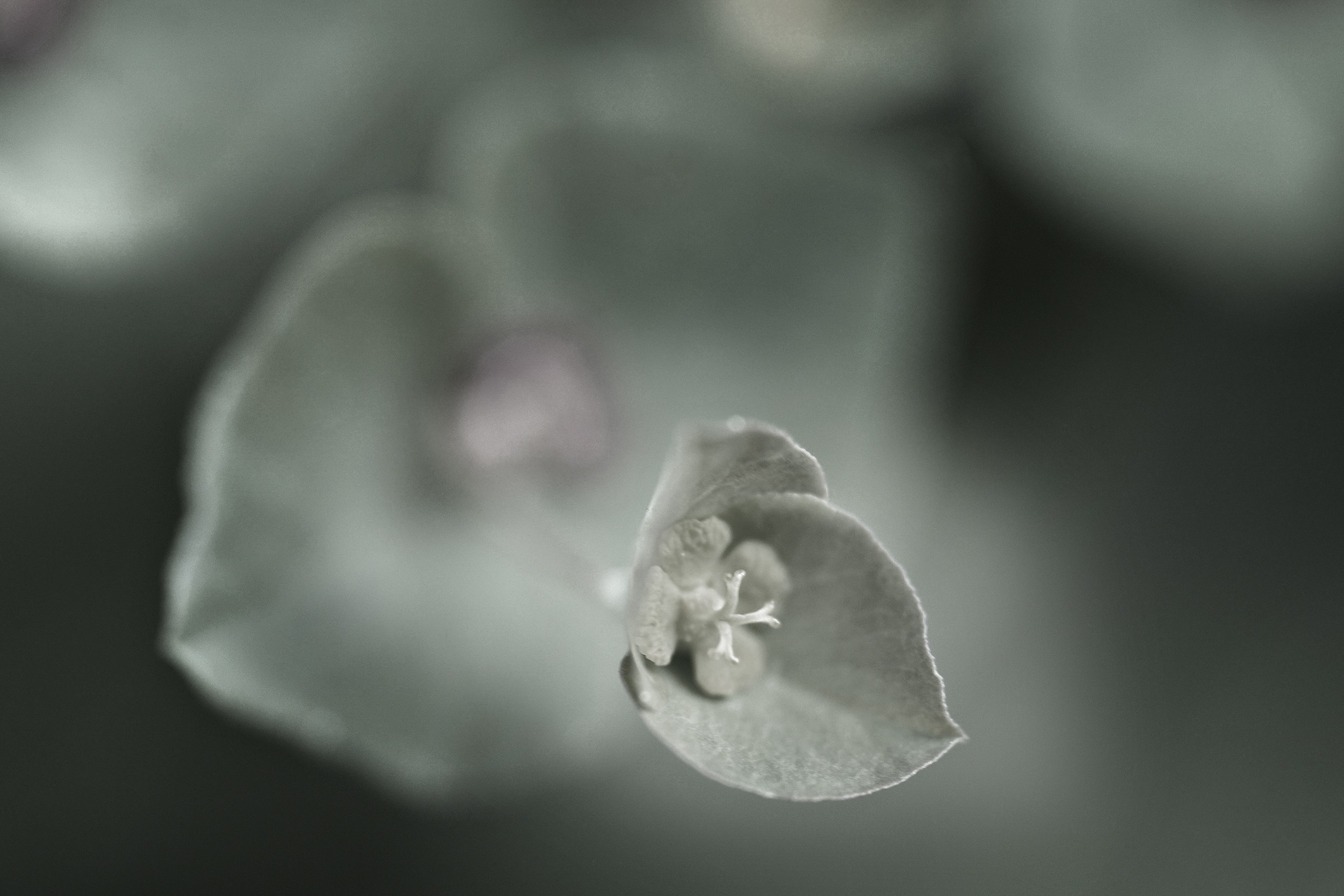
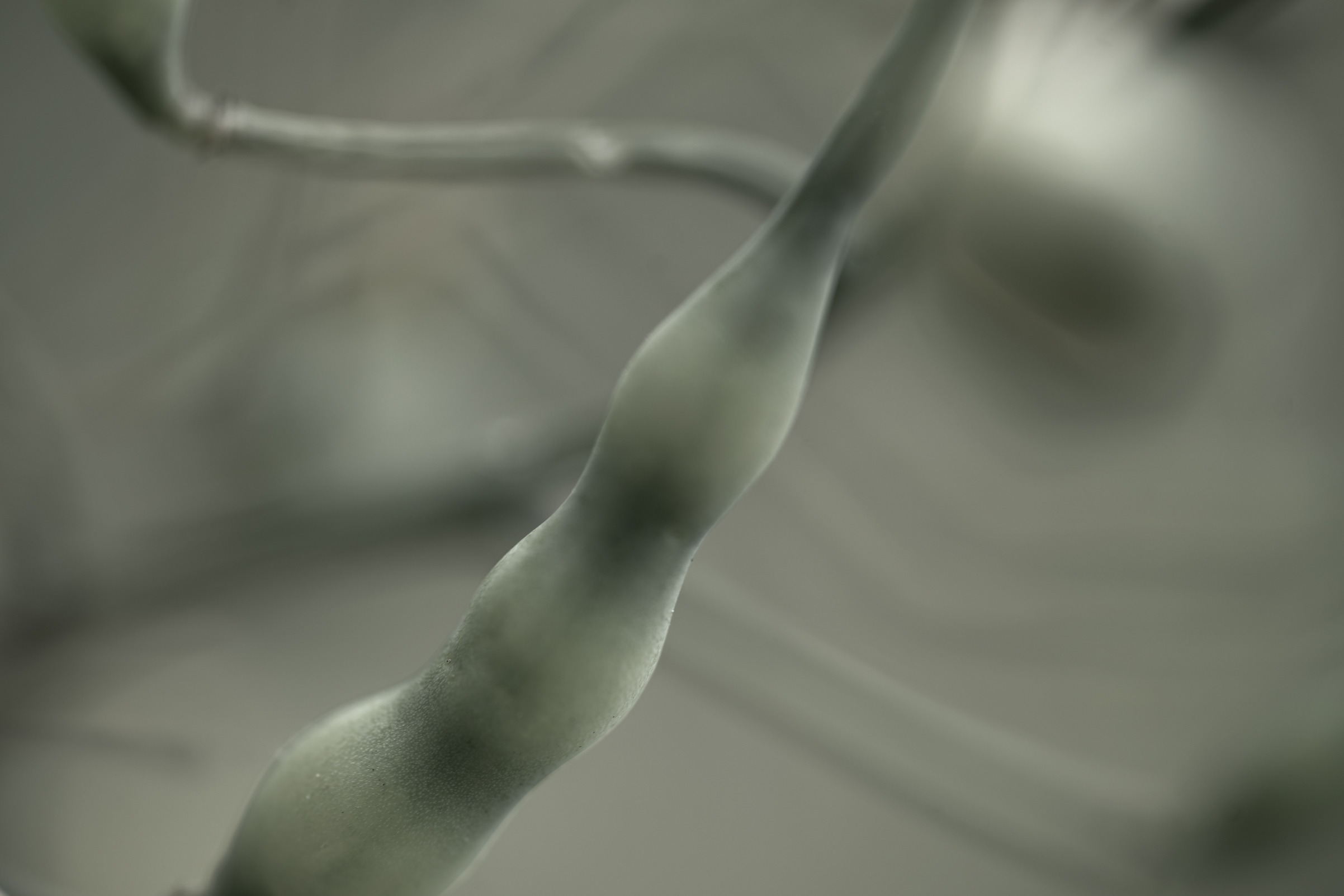
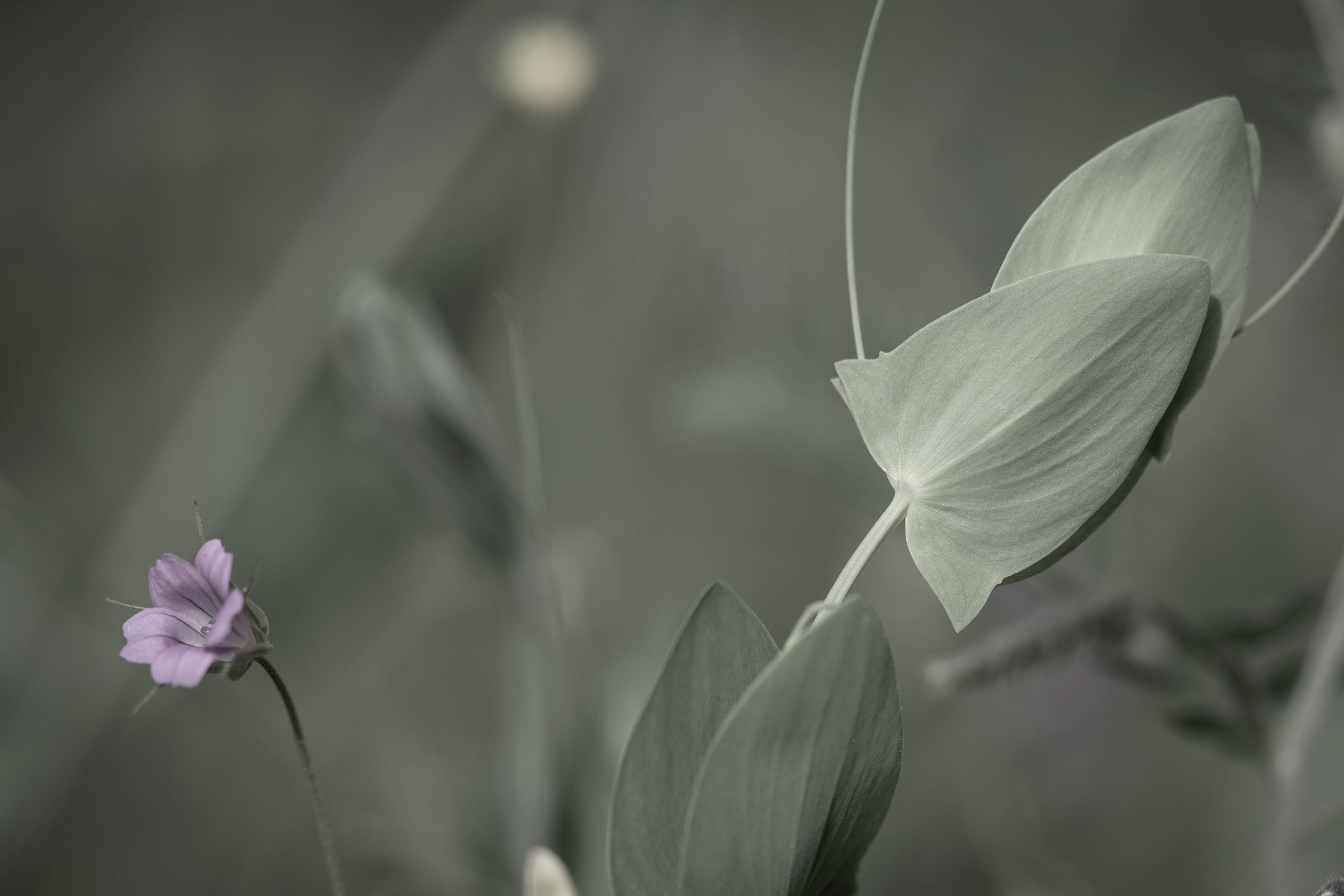
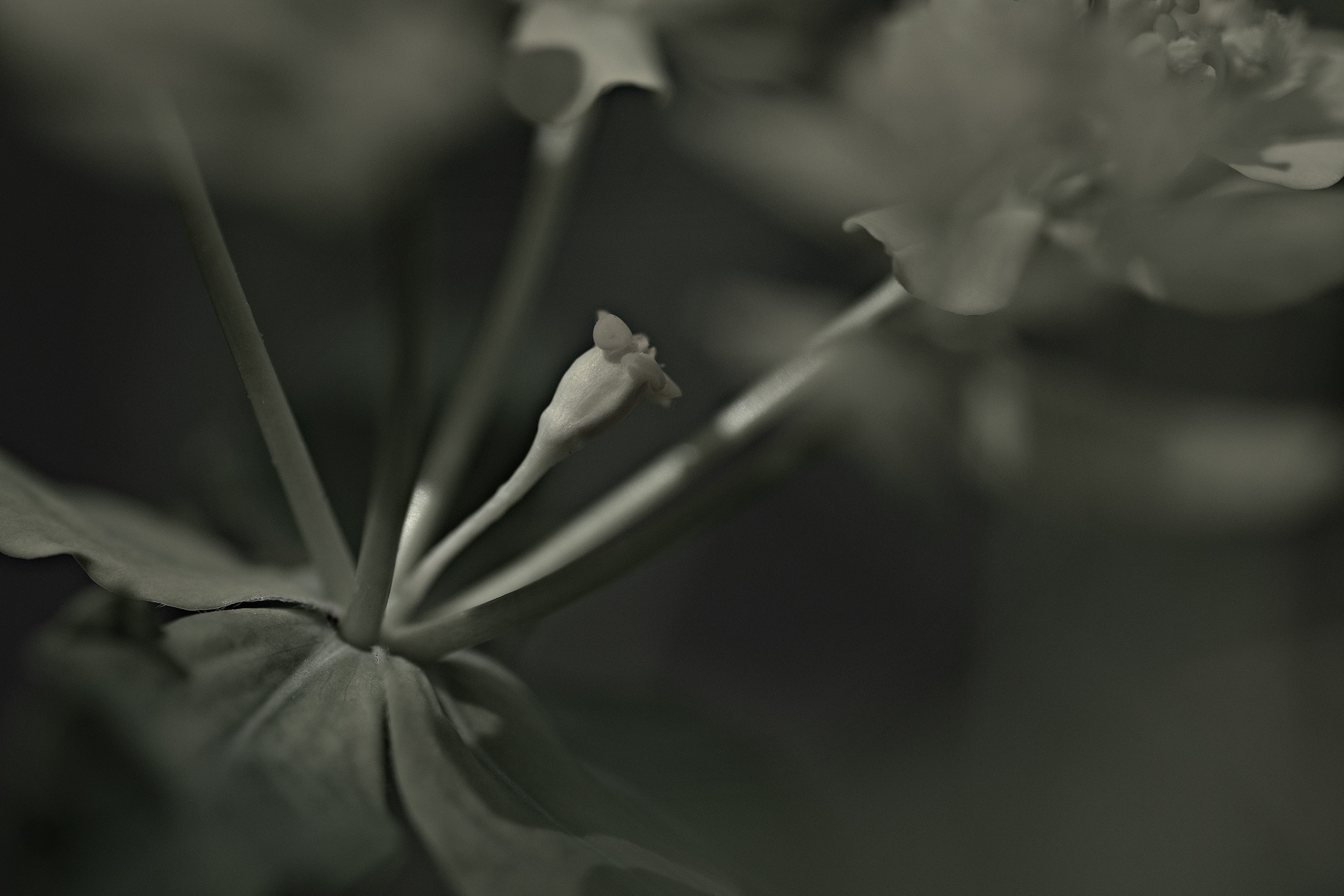
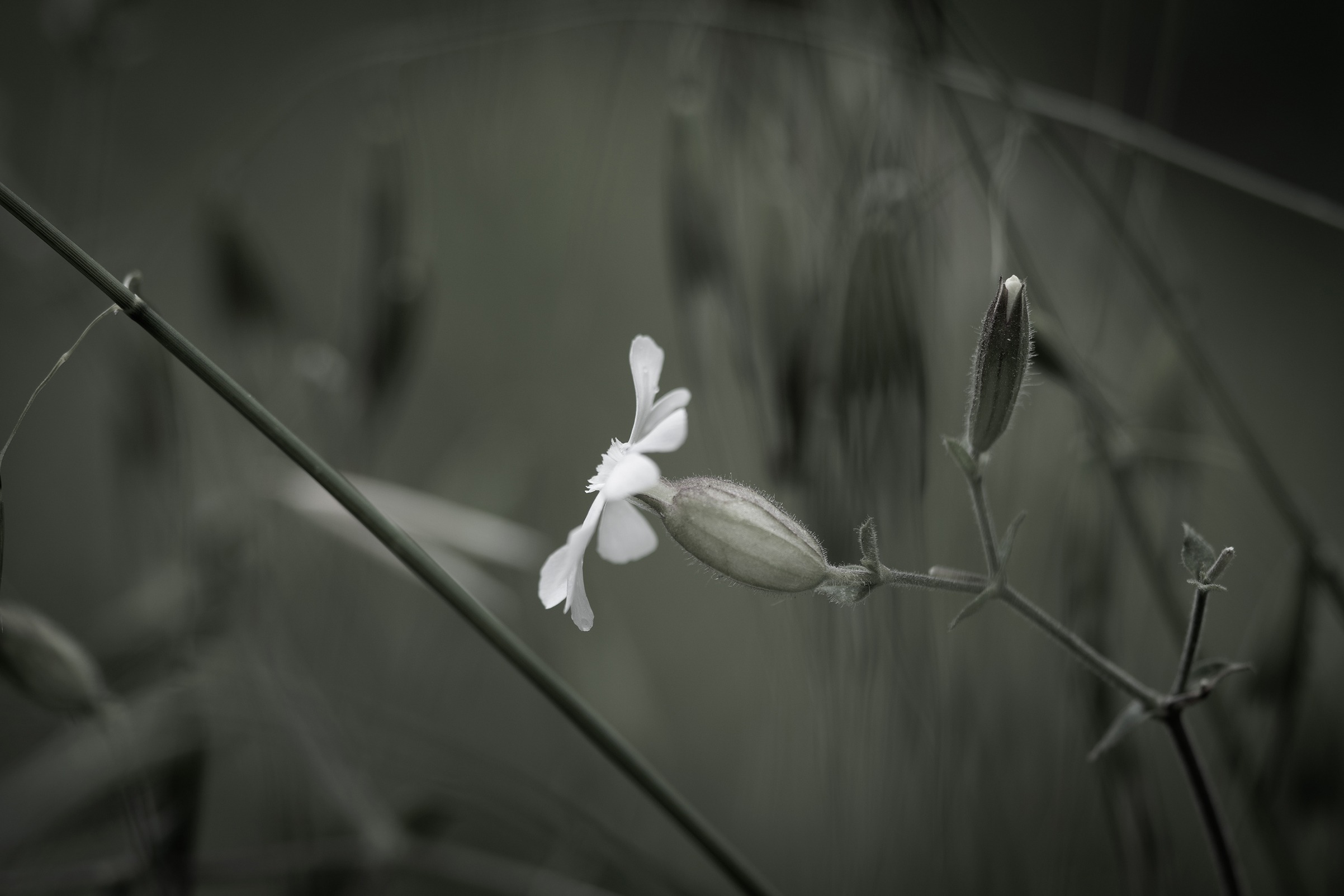
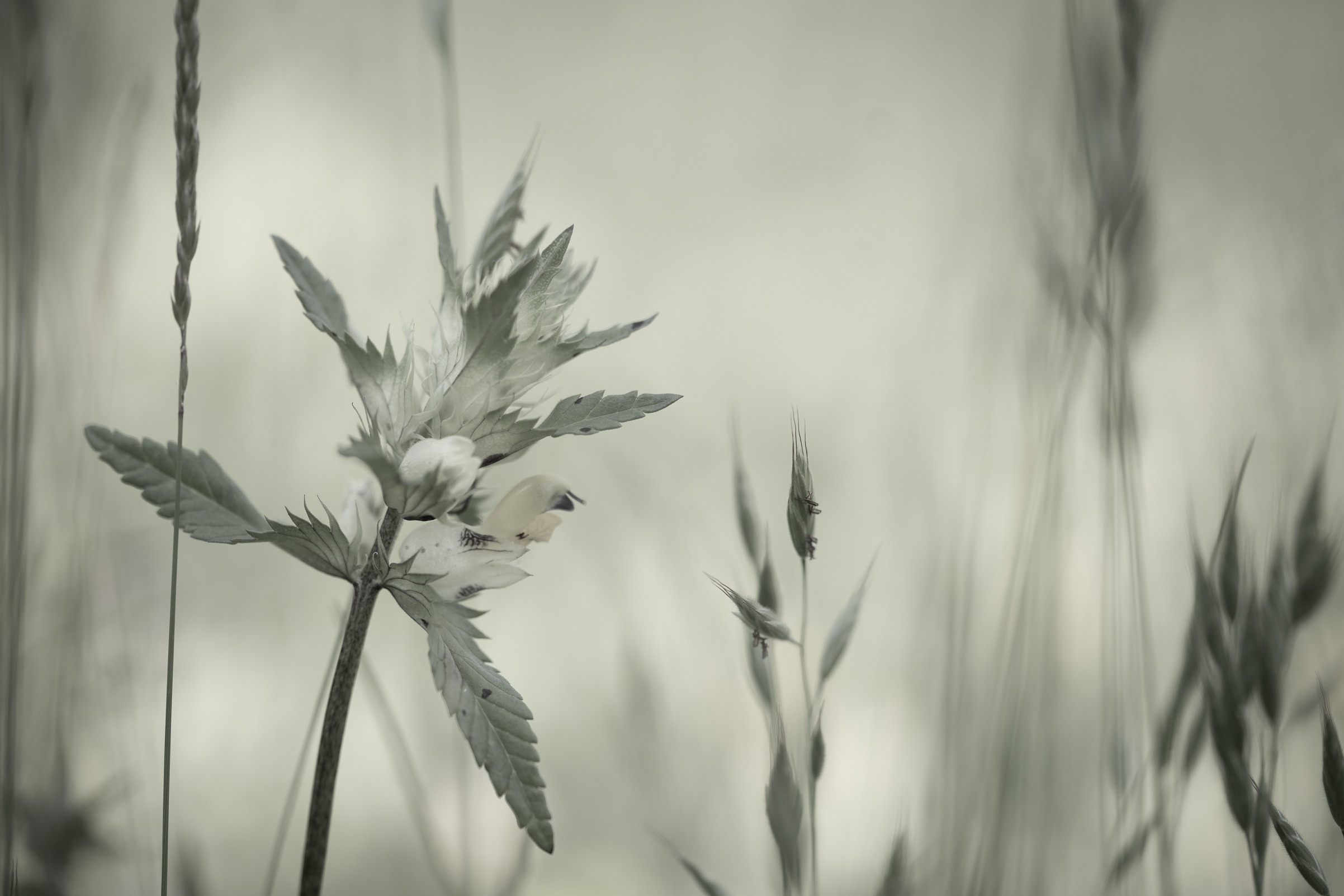
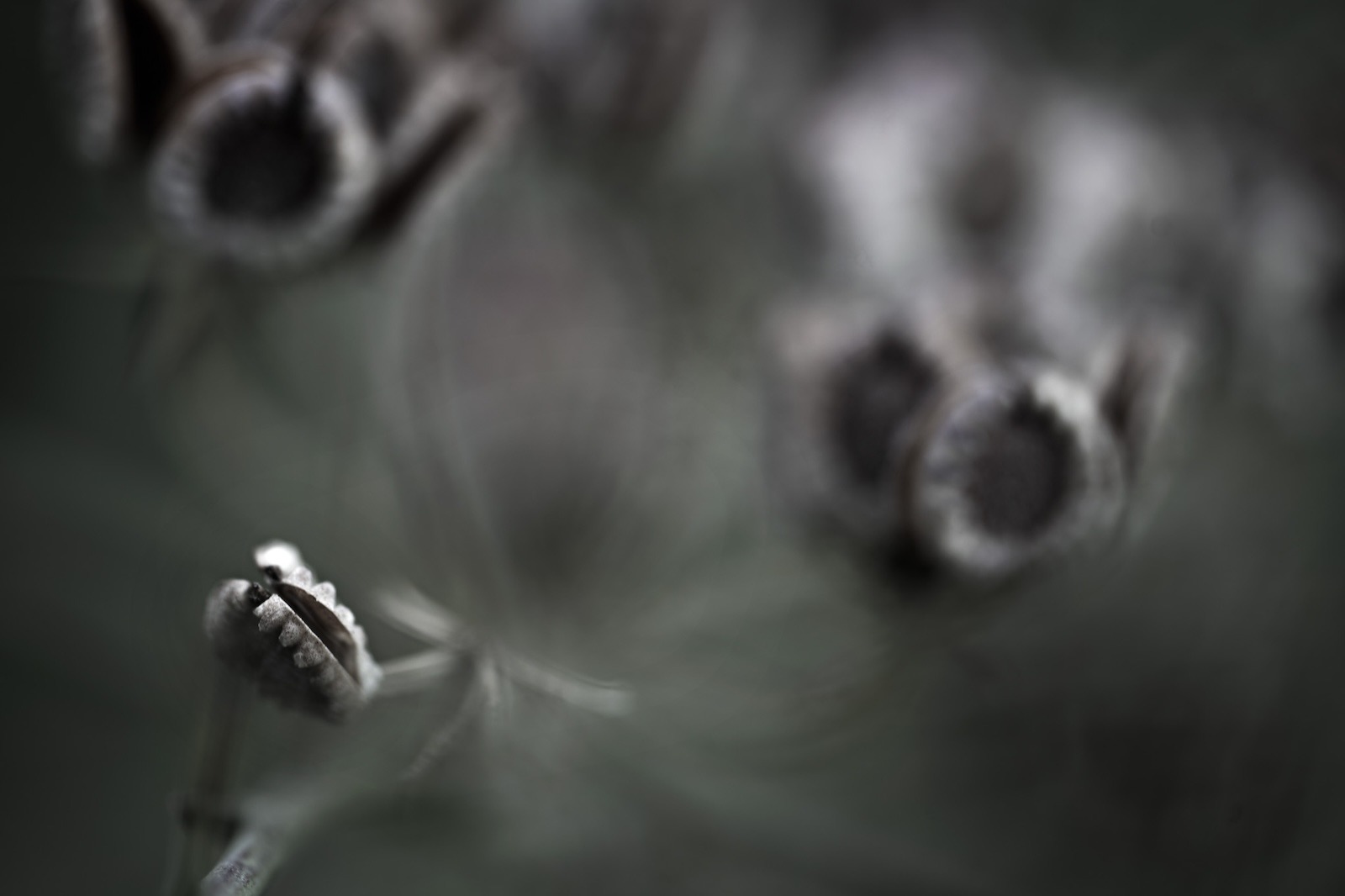
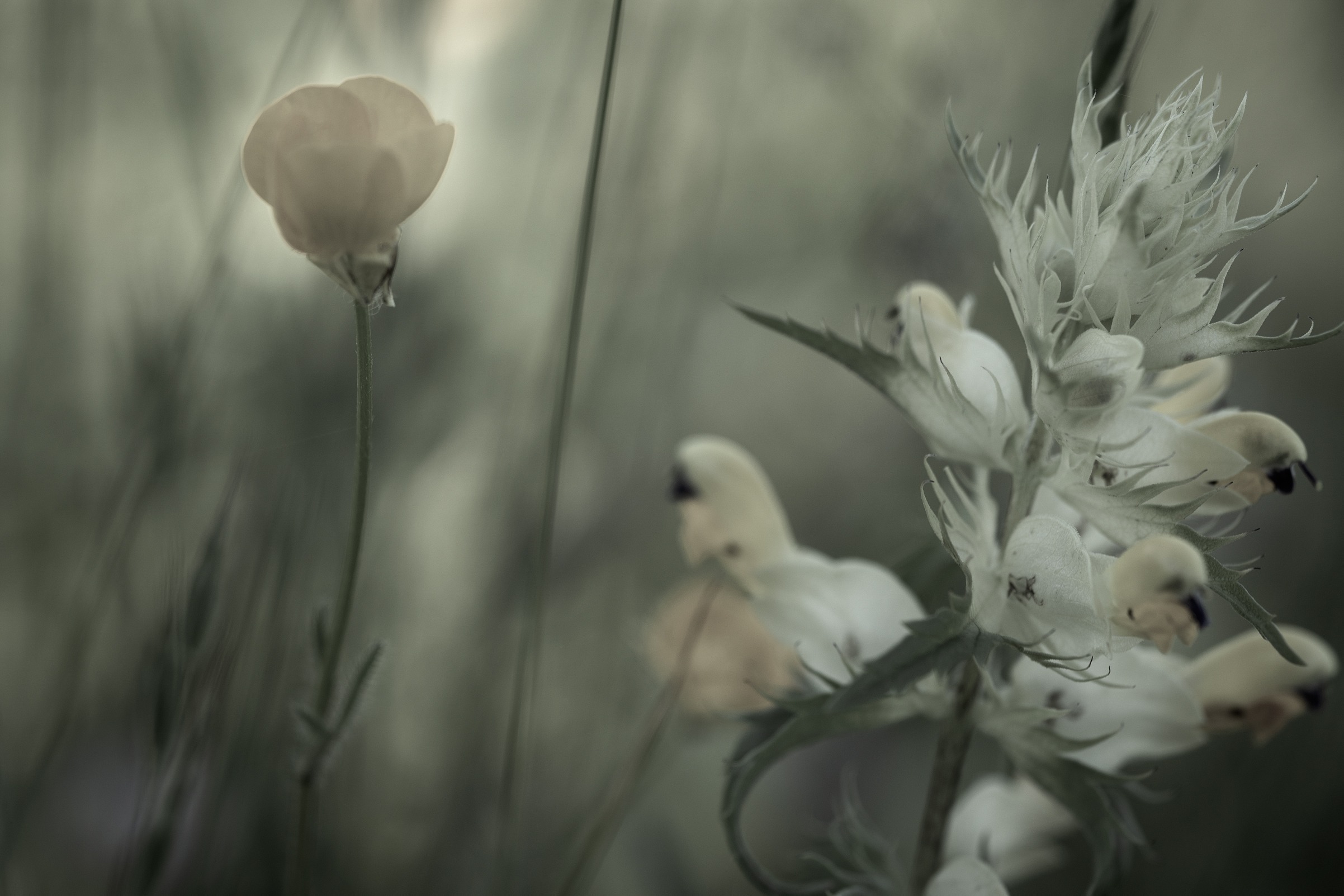
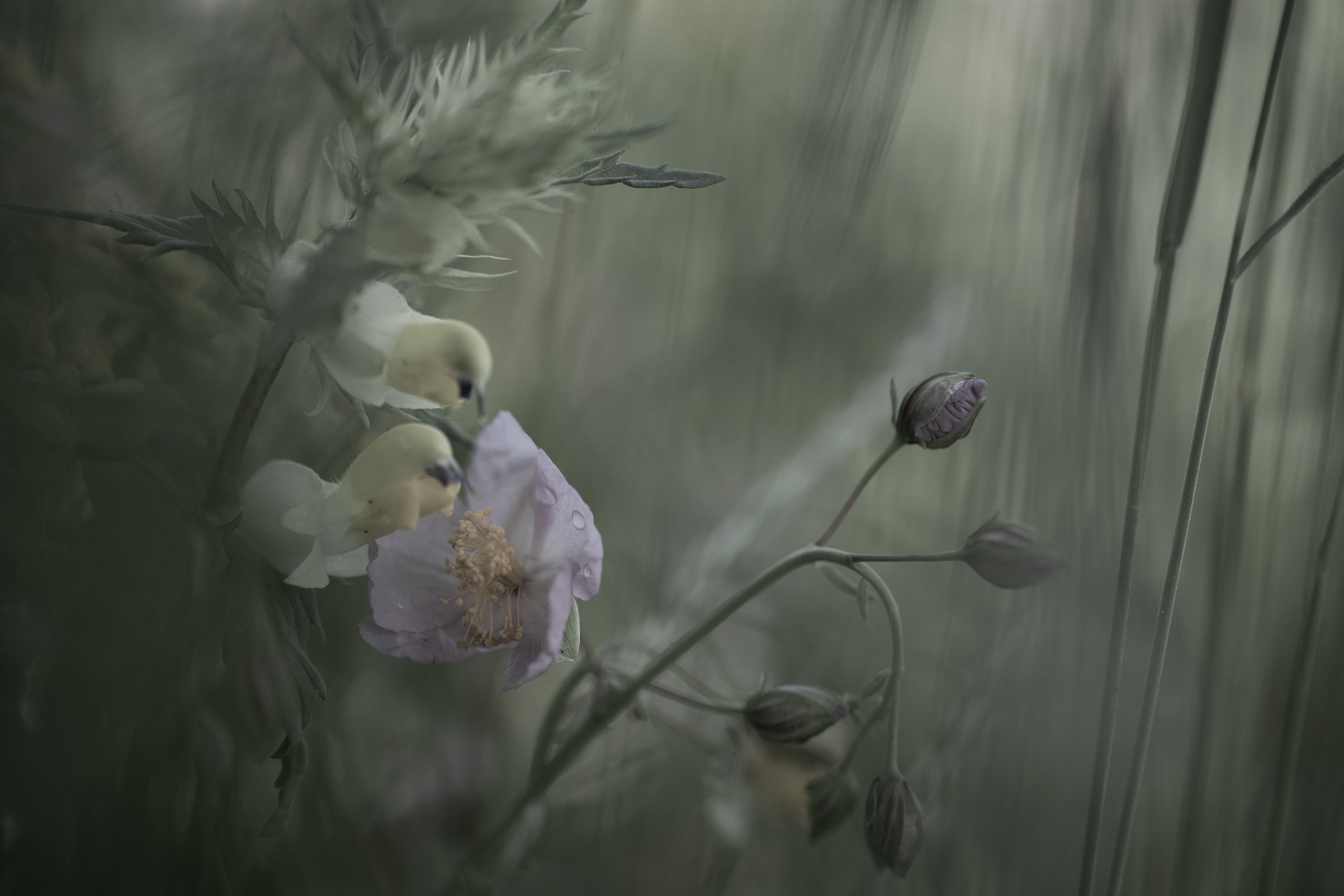
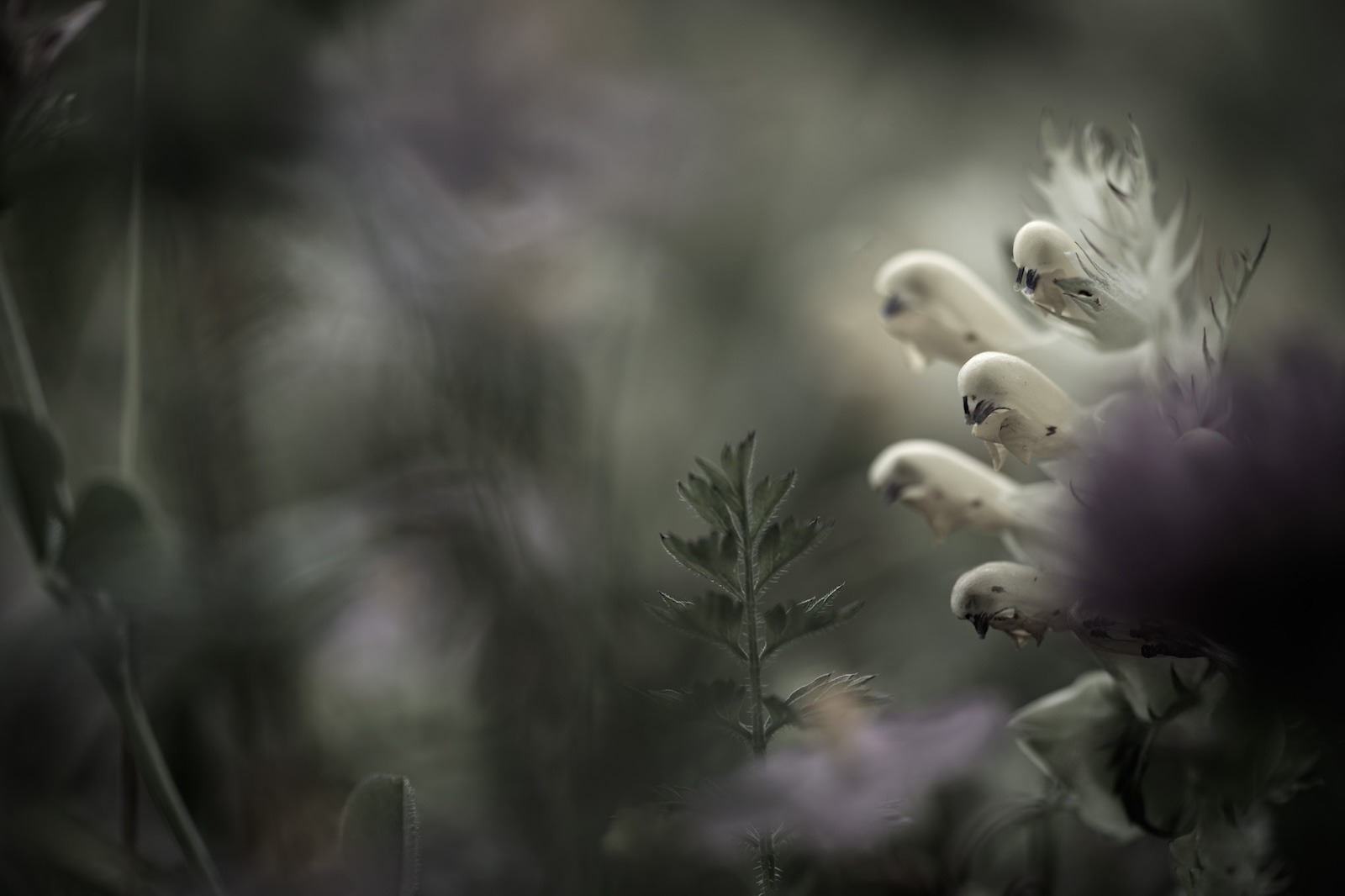
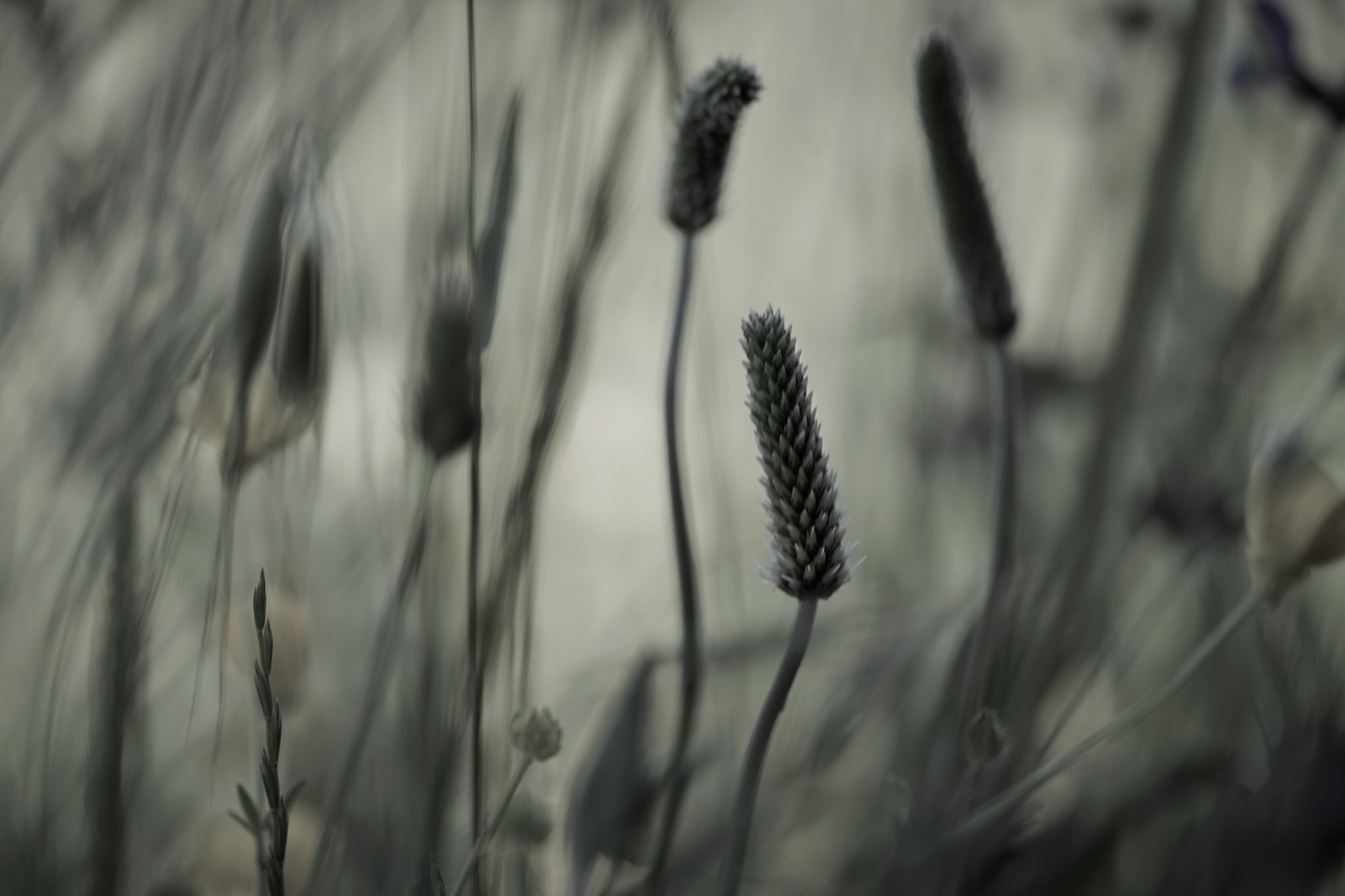
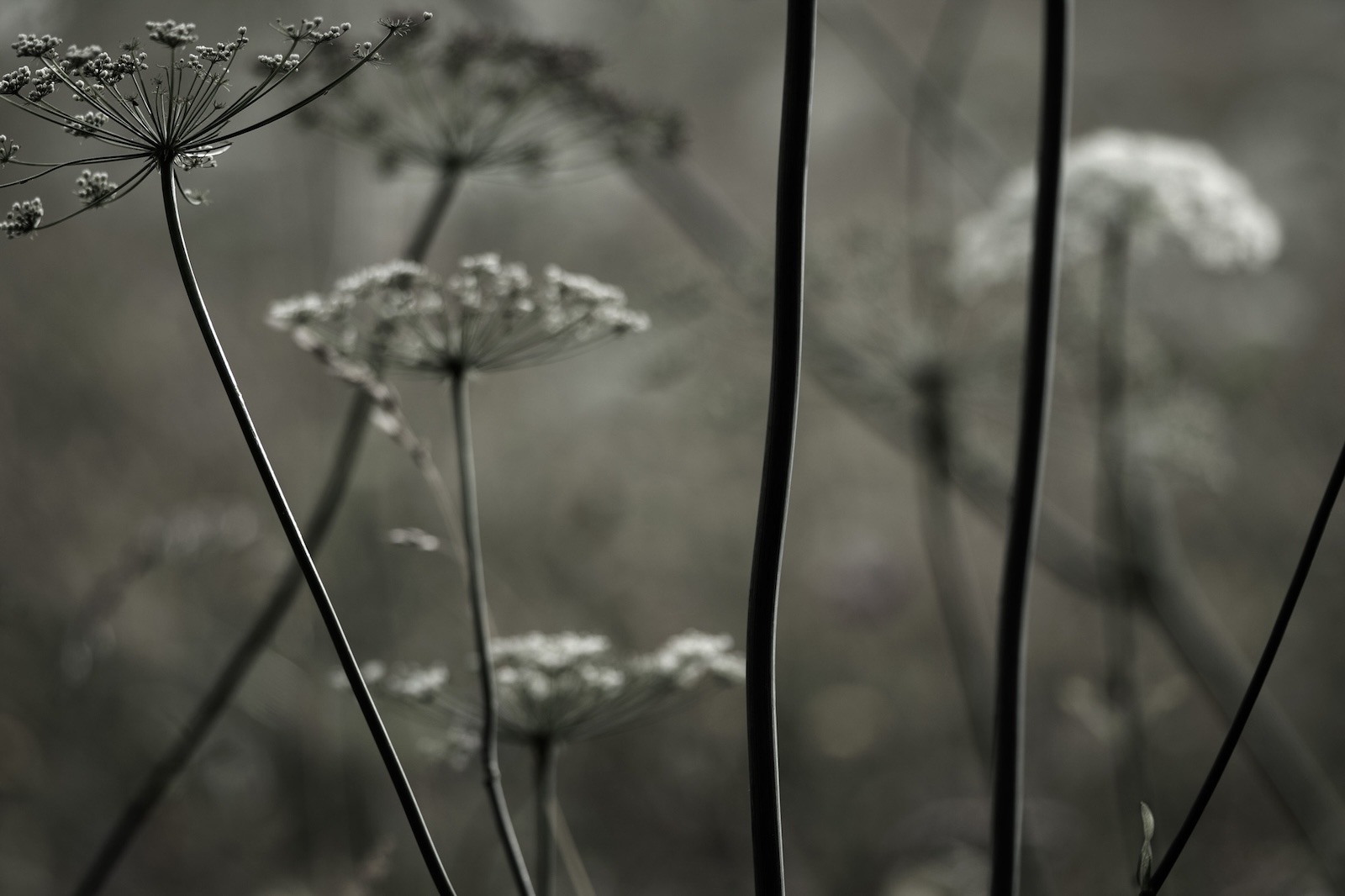
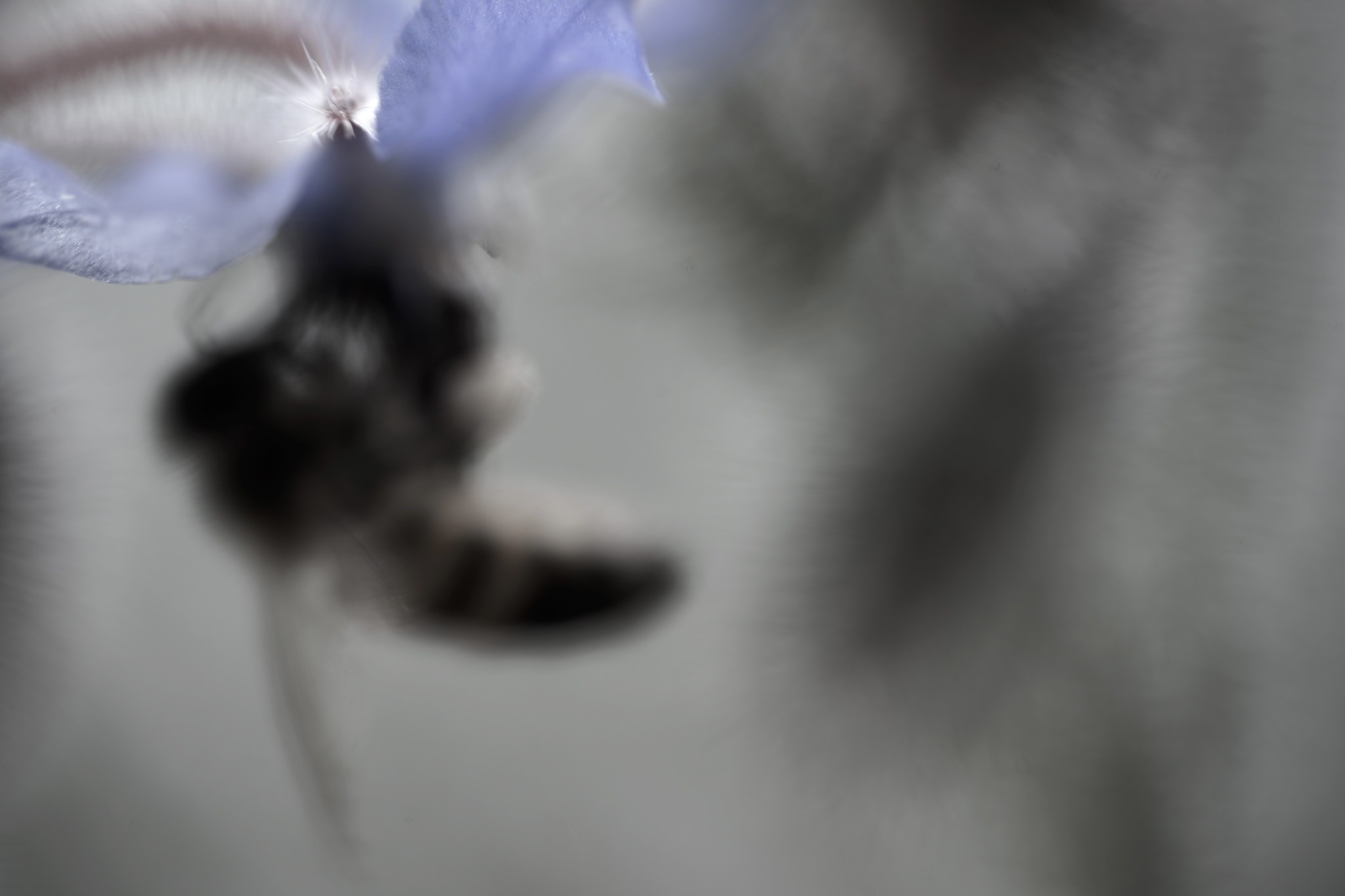
What began as a month-long experiment became an extended act of attention for an entire season. I followed the shifting vegetation over months of constant change, expanding outward into the aromatic hay meadows behind the house and the wild verges along local roads. These edges suggested an alternative future: roads bordered by continuous habitat corridors, reconnecting fragmented ecologies while quietly re-introducing humans to the complexity of the living systems they move through daily.
To unsettle my own habits of looking, I decided to adopt the perspective of an ant for the project! Working inches from the ground, with a slowed pace and shallow depth of field, I entered a world both intimate and endlessly vast. As the subject matter multiplied, so did my curiosity. I had entered an entire cosmos that had lain hidden literally at my feet. If someone told me I could only shoot in this way for the remainder of my days I would never tire for content.
Reading began to accompany looking, and instantly the subject of biodiversity and habitat loss began to frame each image. My images became not just documentation, but a means of learning to empathise – of travelling mentally rather than physically, and engaging deeply with what was already present. This attentive, zero-footprint journey remains one of the project’s enduring rewards.
At its core, however, this work responds to loss. Earth’s biodiversity is declining at rates unprecedented in human history, with an estimated one million species of plants and animals now threatened with extinction unless we reduce the pressures driving their decline. The RSPB is quoted as saying “An increase in pesticides and fertilisers on farmland is the main cause of bird declines across Europe.” In the UK alone, 97% of invaluable hay meadows have been lost in under 100 years as a result of modern farming methods, which often use glyphosate herbicides to kill native species of less productive plants (which many insects need survive). In 2020 a U.S. Environmental Protection Agency (EPA) draft report, concluded that glyphosate is “likely to injure or kill 93% of the plants and animals protected under the Endangered Species Act”.
So long as land is governed primarily as a productive asset rather than a living system, ecological decline becomes not accidental, but inevitable.
Why not have fun and explore just how incredible nature can be by leaving an area of your garden to grow wild, or by not mowing an area of lawn for a season. You will be amazed at what pops up, and at the same time be contributing to a positive movement for change. All by doing nothing!